Imam of the Grand Mosque: Hold Fast to Your Religion and Increase Supplication, for It Is Among the Greatest Means of Steadfastness
Follow Okaz channel on WhatsApp
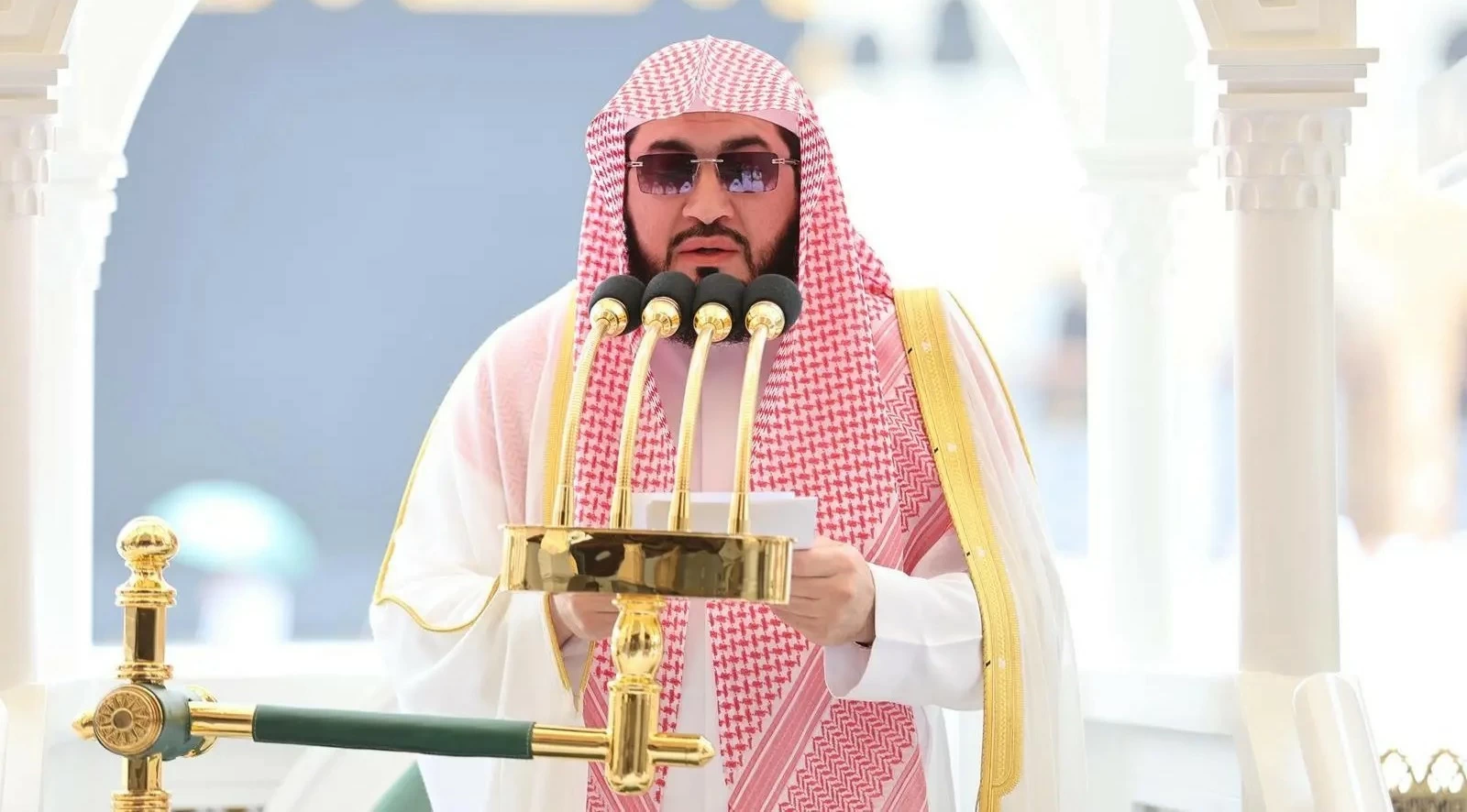
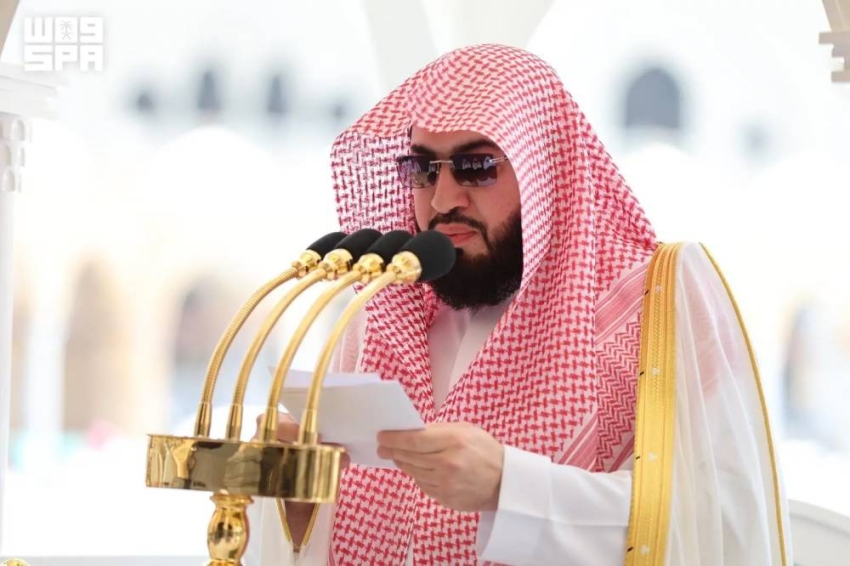
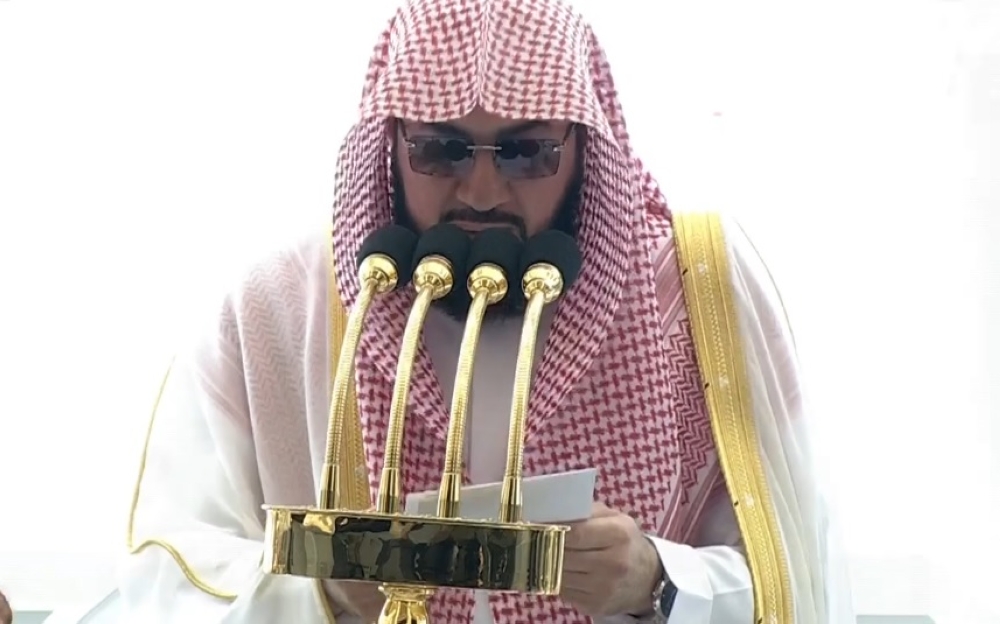
Imam and preacher of the Grand Mosque, Sheikh Dr. Bandar Baleela, advised Muslims to fear God and to know that steadfastness in the religion of God is the believer's capital in this life and his path to salvation after death, and that the foot of Islam stands only on the bridge of submission and surrender.
He said in his sermon delivered today at the Grand Mosque: 'With the succession of years and the distancing of times from the light of the lamp of the best of mankind, trials have followed, tribulations have become widespread, doubts have diversified, desires have multiplied, distractions have increased and entertainments have followed. On the authority of Anas, may God be pleased with him, he said: The Messenger of God, peace be upon him, said: "There will not come a time upon you but that the following time will be worse, until you meet your Lord."' Narrated by Al-Bukhari.
He explained that the greatest calamity that befalls a believer is not in the loss of wealth and provisions, but the great calamity and the major ordeal is tribulation in religion and the shaking of certainty. For this reason, our Prophet frequently supplicated with the words: 'And do not make our calamity in our religion.'
He urged every Muslim who is keen on the safety of his religion and hopes to meet his Lord to hold fast to what preserves his faith and cling to what protects his monotheism. The basis, origin, and foremost of that is supplication to God Almighty, for there is no steadfastness for one whom his Lord does not make steadfast.
He explained that among the most important means of steadfastness in the religion of God are: regularly reciting the Holy Quran, pondering its verses, comprehending its meanings, acting upon what it contains, and then recalling the stories of the righteous, from the early predecessors and the past generations, including the prophets and messengers, and those who followed them in excellence over the years.
He added: 'Adhering to His Book, sticking to the community, renouncing discord and division, staying away from places of doubt and desires, and avoiding gatherings of frivolity and temptations will secure a servant's religion and purify his conscience.'
He concluded the sermon by saying: 'By God, by God, adhere to the Book and the Sunnah according to the methodology of the predecessors of this nation, and keep away from the people of deviation and innovation. Then, be patient, for the one who is patient in his religion during times of tribulation is like one who holds onto a burning ember.'
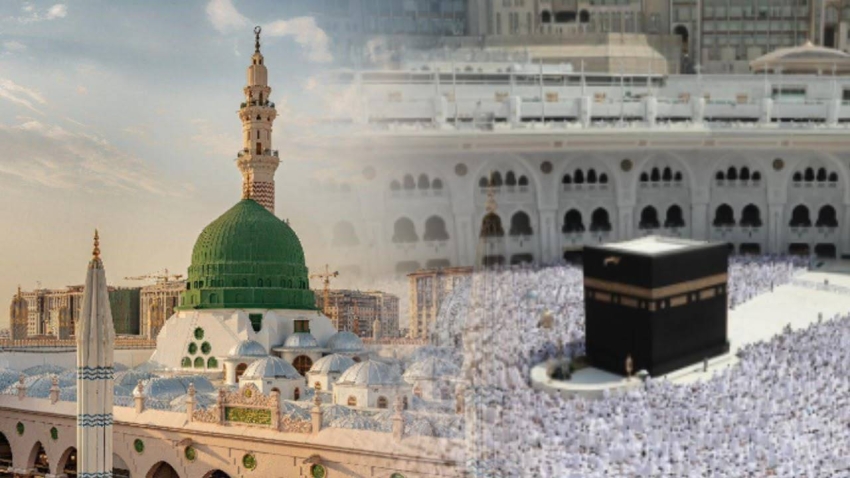
In addition, the esteemed Imam and preacher of the Prophet's Mosque, Sheikh Dr. Abdulmohsen Al-Qasim, spoke in Friday's sermon about the blessing of children, stating that they are among the greatest blessings that God has bestowed upon His servants, a divine gift that God has favored upon several of His prophets, citing the verse regarding Zakariya (peace be upon him): 'And We granted him Yahya.' He emphasized that the righteousness of children is achieved through their proper upbringing, instilling faith and values in their hearts, and raising them according to the guidance of the Book and the Sunnah.
He explained that children are good news that bring joy and happiness to the hearts of fathers and mothers, citing God's glad tidings to Ibrahim (peace be upon him): 'So We gave him good tidings of a forbearing boy.' He pointed to their great status, as God swore by the parent and his offspring in His saying: 'And by the father and that which is born,' and made them an adornment of worldly life, saying: 'Wealth and children are adornment of the life of the world.'
He clarified that children are a trust upon the parents, which includes preserving their religion, building their character, guiding their behavior, and protecting their innate nature. He noted that the prophets (peace be upon them) used to ask God for the righteousness of their offspring even before their existence. Ibrahim (peace be upon him) prayed: 'My Lord, make me an establisher of prayer, and [also] from my offspring.' Zakariya (peace be upon him) prayed: 'My Lord, grant me from Yourself a good offspring.'
He added that it is from God's favor that He created children with the innate disposition to believe in Him, citing the Prophet's saying: 'Every child is born upon the fitrah (natural disposition).' He affirmed that the first steps in their upbringing are to establish monotheism in their souls, strengthen faith in their hearts, teach them the Book of God Almighty, accustom them to prayer, connect their hearts to God, and cement reliance and trust in Him in all their affairs.
The Imam and preacher of the Prophet's Mosque explained that part of their complete upbringing is to make them aware of the rights of others, foremost of which is righteousness to parents, and to raise them with determination and high ambition, citing the verse: 'O Yahya, take the Scripture with determination, and We gave him judgment [while yet] a boy.'
He indicated that perfect upbringing includes good treatment of children, kindness to them, and making them feel love and attention, citing the Prophet's (peace be upon him) gentleness with boys, greeting them, joking with them, and teaching them manners and morals, as in his saying to Umar ibn Abi Salama (may God be pleased with them): 'O boy, mention the name of God, eat with your right hand, and eat from what is near you.'
He explained that the Prophet (peace be upon him) used to discover the talents of the youth and develop them, and was keen to teach them matters of their religion, honor them, and elevate their status, emphasizing the importance of children and caring for them and building their personalities. He affirmed that supplication for the righteousness of children is among the greatest things that benefit them, and therefore the prophets and righteous people were keen on it, including the Prophet's supplication for Ibn Abbas (may God be pleased with them both) when he was a boy: 'O God, teach him the Scripture.' Narrated by Al-Bukhari.
He noted that the righteousness of children is a comfort to the eyes of parents, and its effect extends to them in this world and the Hereafter, explaining that among the greatest things from which parents benefit after their death is a righteous child who supplicates for them, citing the Prophet's saying: 'When a person dies, his deeds are cut off except for three: ongoing charity, knowledge from which benefit is derived, or a righteous child who supplicates for him.' He explained that God raises the ranks of parents in Paradise due to the righteousness of their children and their seeking forgiveness for them, and He gathers together the righteous among fathers and children.
The Imam and preacher of the Prophet's Mosque affirmed that caring for children is a shared responsibility between parents; their righteousness is the fruit of family cooperation in upbringing and care, citing the Prophet's saying: 'The woman is a shepherd in her husband's house and is responsible for her flock.' Agreed upon.
He concluded the sermon by calling for patience in raising children and not despairing of reforming and correcting them, warning against supplicating against them due to the great danger in that, citing the Prophet's saying: 'Do not supplicate against yourselves, do not supplicate against your children, do not supplicate against your wealth, lest it coincide with an hour from God in which He is asked for a gift and He responds to you.' Narrated by Muslim.
Original source: Okaz


Comments (0)
Be the first to comment.