On Collective Housing Violations: Ministry Calls for Reporting Offenders
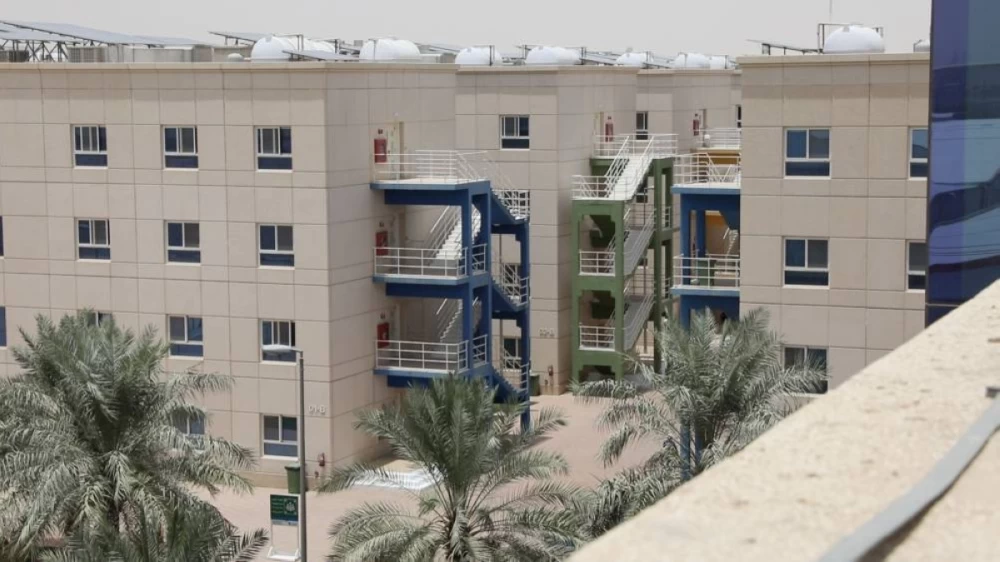
The Ministry of Municipalities and Housing called for reporting violations of collective housing for individuals in various Saudi cities to limit illegal practices that affect the quality of life in residential neighborhoods. The Ministry emphasized that the "National Program for the Development of Collective Housing for Individuals" aims to develop and regulate the sector, improve the quality of housing designated for workers, and provide a safe, healthy, and sustainable living environment. It stressed the continuation of coordination with relevant authorities to raise the level of compliance with the regulations and requirements governing collective housing, alongside ongoing field monitoring tours...
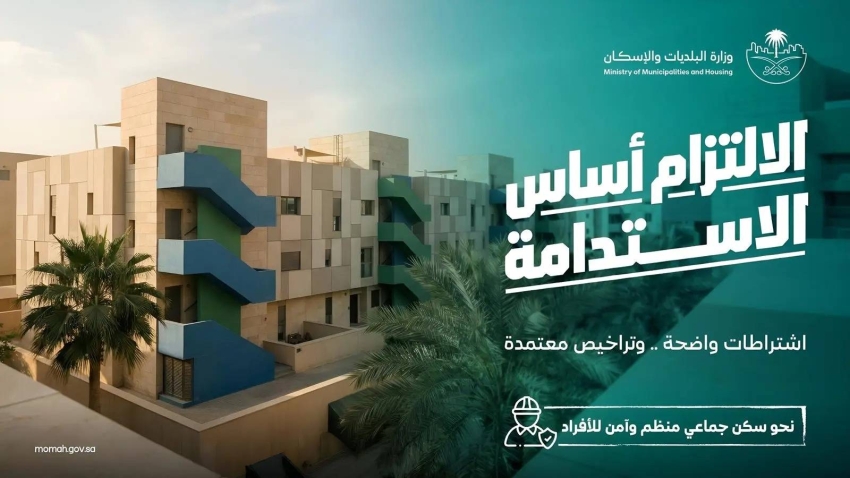
The Ministry of Municipalities and Housing has called for reporting violations of collective housing for individuals in various Saudi cities to limit the illegal practices that affect the quality of life in residential neighborhoods. The "Municipalities" emphasized that the "National Program for the Development of Collective Housing for Individuals" aims to develop and regulate the sector, enhance the quality of housing designated for workers, and provide a safe, healthy, and sustainable living environment. It stressed the continuation of coordination with relevant authorities to raise the level of compliance with the regulations and requirements governing collective housing, alongside ongoing field monitoring tours.
A guide issued by the ministry classifies collective housing for individuals into three categories according to the maximum capacity and the nature of facilities and basic and optional services: the first category includes a residential building consisting of one or more floors, with a total height not exceeding 23m from ground level, containing a number of housing units, and providing basic and optional facilities and services. The second category is the residential complex, which is a group of independent residential buildings (apartments, villas) surrounded by an external wall with security gates for entry and exit and guarding, and provides basic and optional facilities and services. The third category is mobile cabins, which are housing units set up within projects that can be carried and moved from one place to another, used temporarily at project sites for workers within the project, and the duration of the operational license issued for them is linked to the end of the project or a maximum of one year, subject to renewal.
The Ministry of Municipalities and Housing has called for reporting violations of collective housing for individuals in various Saudi cities to limit the illegal practices that affect the quality of life in residential neighborhoods. The "Municipalities" emphasized that the "National Program for the Development of Collective Housing for Individuals" aims to develop and regulate the sector, enhance the quality of housing designated for workers, and provide a safe, healthy, and sustainable living environment. It stressed the continuation of coordination with relevant authorities to raise the level of compliance with the regulations and requirements governing collective housing, alongside ongoing field monitoring tours.
A guide issued by the ministry classifies collective housing for individuals into three categories based on the maximum capacity, nature of facilities, and basic and optional services: The first category includes residential buildings consisting of one or more floors, with a total height not exceeding 23 meters from the ground, containing several housing units, and equipped with basic and optional facilities and services. The second category is the residential complex, which is a group of independent residential buildings (apartments, villas) surrounded by an external wall with security gates for entry and exit, and guarded, providing basic and optional facilities and services. The third category consists of mobile cabins, which are housing units set up within projects that can be carried and moved from one place to another, used temporarily at project sites for workers within the project, and the duration of the operational license issued for them is linked to the end of the project or a maximum of one year, subject to renewal.
Original source: Okaz



Comments (0)
Be the first to comment.