Wall Street Journal: Washington and Riyadh to Sign Civil Nuclear Agreement Wednesday
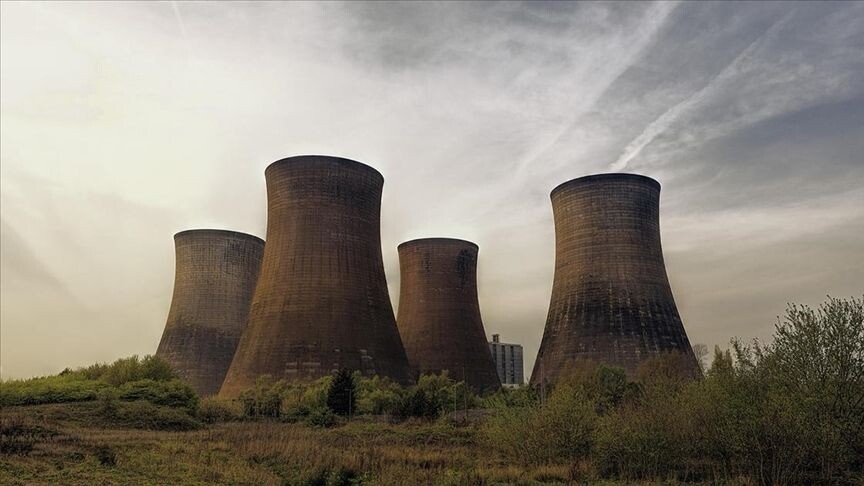
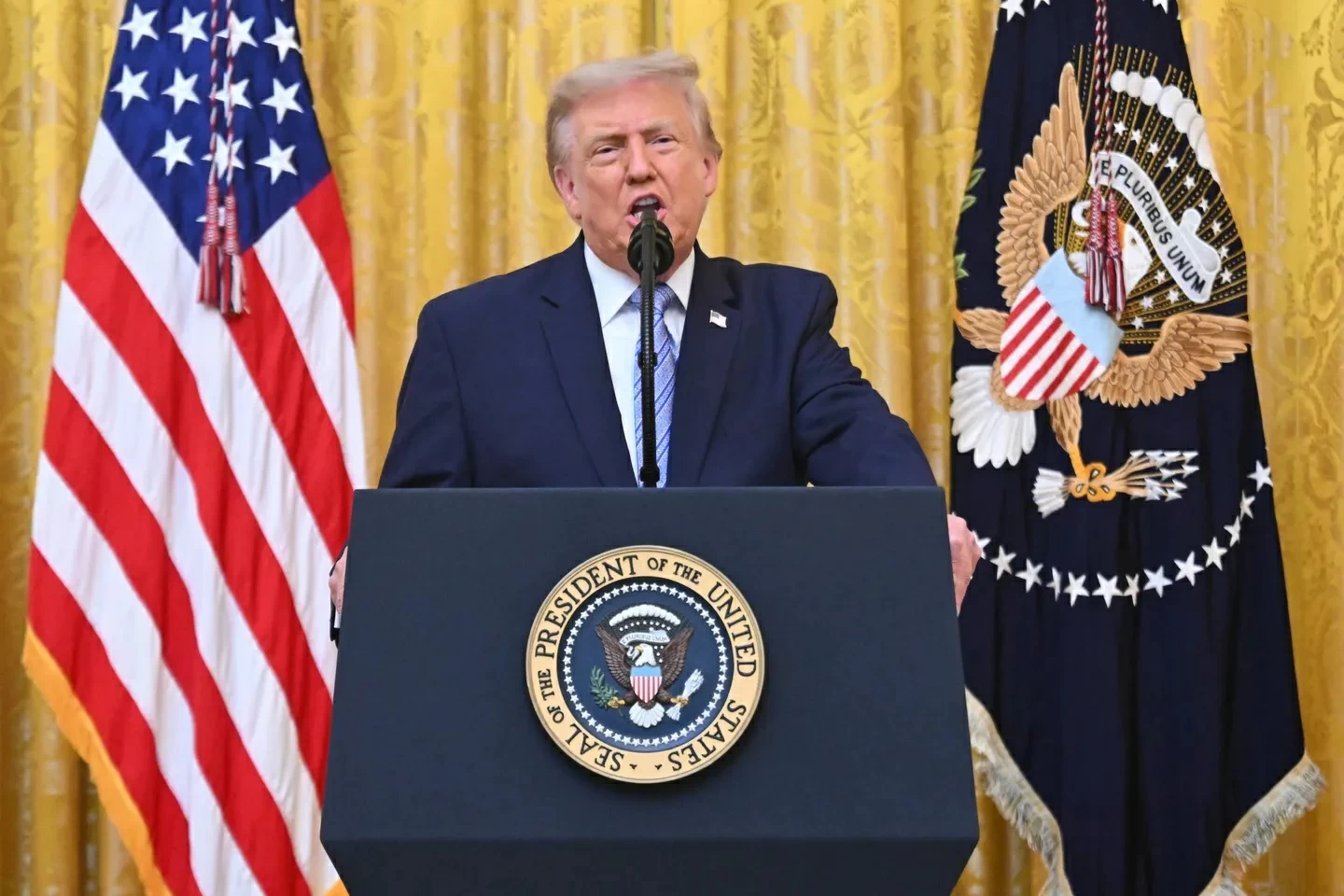
The Wall Street Journal reported that U.S. President Donald Trump has approved a comprehensive, long-term civil nuclear cooperation agreement with Saudi Arabia, scheduled to be signed Wednesday.
Istanbul/ Yaqut Dandashi/ Anadolu
** The American newspaper:
- Trump approved a 30-year agreement that includes American reactors and a joint study on the economic feasibility of uranium enrichment in the kingdom.
- The agreement is expected to be signed Wednesday by U.S. Energy Secretary Chris Wright and his Saudi counterpart Abdulaziz bin Salman.
** Washington and Riyadh did not comment, and no comment was issued by Israel, whose officials have often warned against such an agreement.
The Wall Street Journal reported that U.S. President Donald Trump approved a comprehensive, long-term civil nuclear cooperation agreement with Saudi Arabia, scheduled to be signed Wednesday.
The American newspaper said Tuesday evening that the agreement extends for 30 years and is valued at billions of dollars, describing it as a 'big win for the kingdom.'
It clarified that it gives American companies a central role in building the Saudi civilian nuclear program, excluding foreign competitors.
The agreement includes building nuclear reactors using American Westinghouse technology, including the AP1000 reactor, which produces about 1,100 megawatts of electricity.
It also stipulates a two-year joint U.S.-Saudi study to assess the commercial viability of uranium enrichment within the kingdom.
If the study shows a need for it, an enrichment facility will be built under strict American supervision to prevent the transfer of sensitive technology, according to the newspaper.
Under the agreement, Saudi Arabia commits not to resort to any other partner for 10 years if the United States objects.
The newspaper quoted U.S. administration officials as saying that this arrangement ensures the program is not diverted to military purposes and prevents reprocessing of spent fuel.
It reported that Trump gave the green light for the agreement late last week, and it is expected to be signed Wednesday by U.S. Energy Secretary Chris Wright, who discussed the deal during his first foreign trip to the region in April 2025 with his Saudi counterpart Abdulaziz bin Salman, who will also sign the agreement.
The talks between the two countries date back to Trump's first presidential term (2017-2021) and were resumed at an intense pace during 2025.
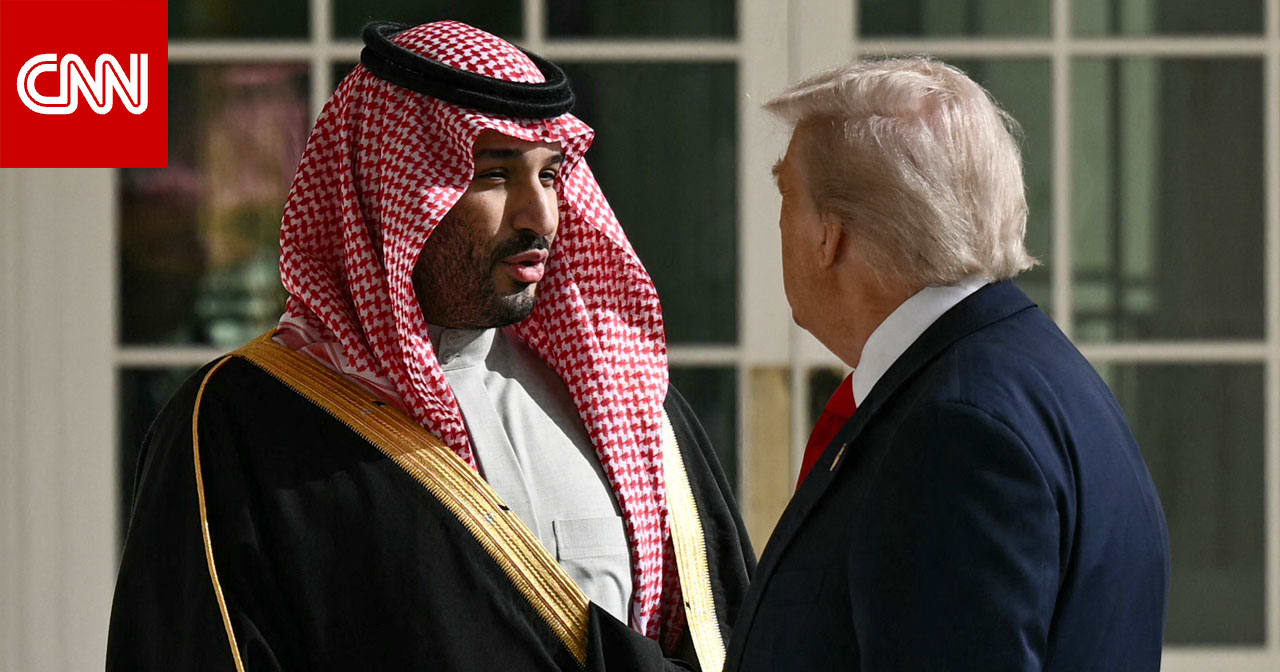
In November 2025, the two sides signed a joint declaration paving the way for the civil nuclear cooperation agreement during Saudi Crown Prince Mohammed bin Salman's visit to Washington.
Saudi Arabia seeks to diversify energy sources, benefit from domestic uranium reserves, and provide larger quantities of oil for export.
In return, the United States hopes to revive its domestic nuclear industry and strengthen its strategic influence in the region at the expense of Russia and China.
However, the agreement raises concerns among experts and lawmakers in Washington about the risks of nuclear proliferation in the Middle East, especially since Saudi Arabia has so far rejected the 'gold standard,' which prohibits enrichment and reprocessing, unlike a previous agreement with the United Arab Emirates.
The 'gold standard' is a strict legal and regulatory model under which a state voluntarily commits to permanently forgo uranium enrichment and plutonium reprocessing domestically, in exchange for obtaining civilian nuclear technology and equipment from advanced countries.
As of 06:00 GMT, neither Washington nor Riyadh had commented on what the American newspaper reported.
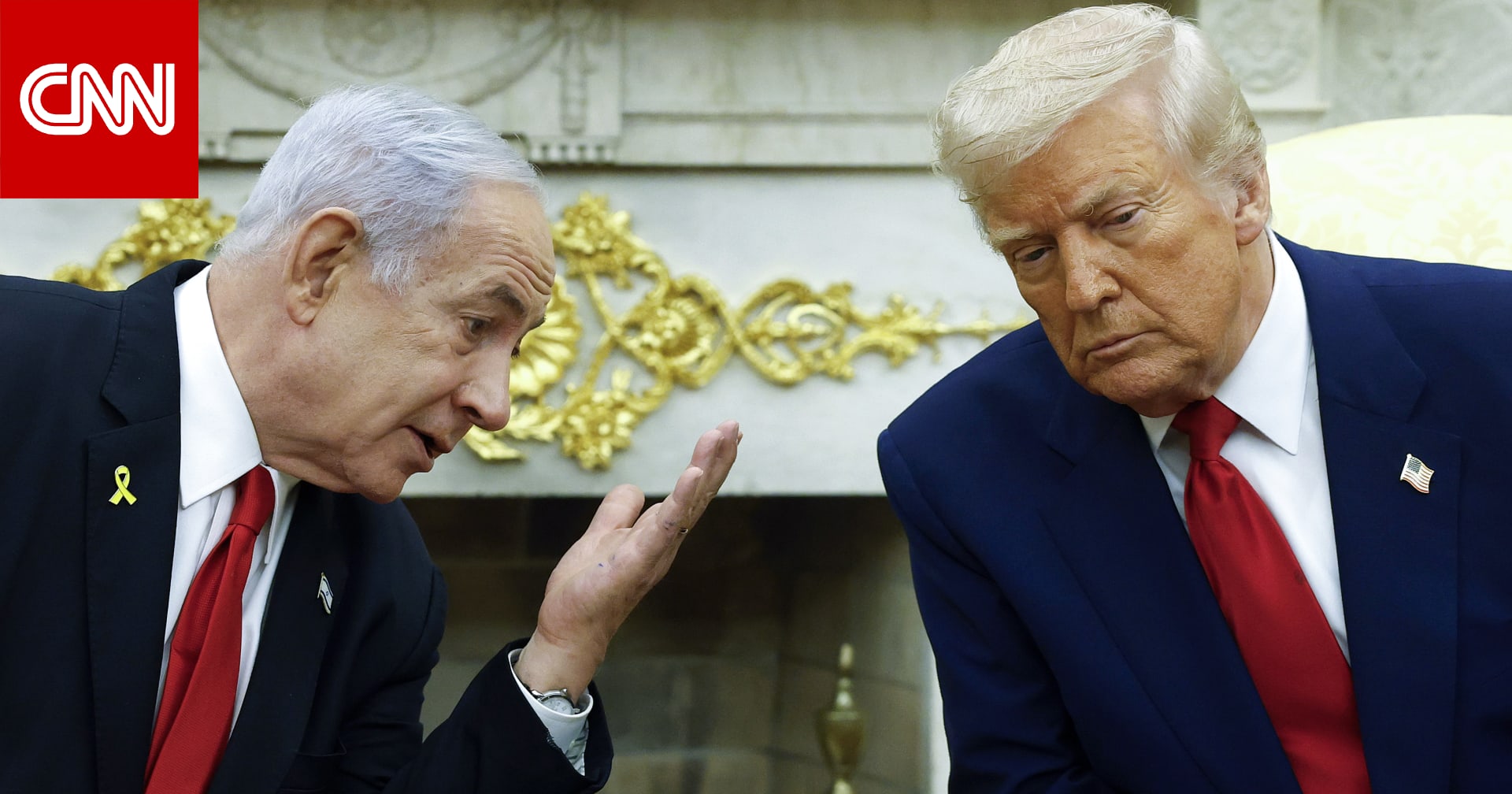
There was also no immediate comment from Israel, whose officials have often warned against reaching an agreement between Riyadh and Washington in the nuclear field.
Israel, a U.S. ally, is the only country in the Middle East that possesses an undeclared nuclear arsenal not subject to International Atomic Energy Agency oversight.
Original source: Anadolu Agency


Comments (0)
Be the first to comment.