Saudi FM: Diplomacy remains the only path to lasting regional stability

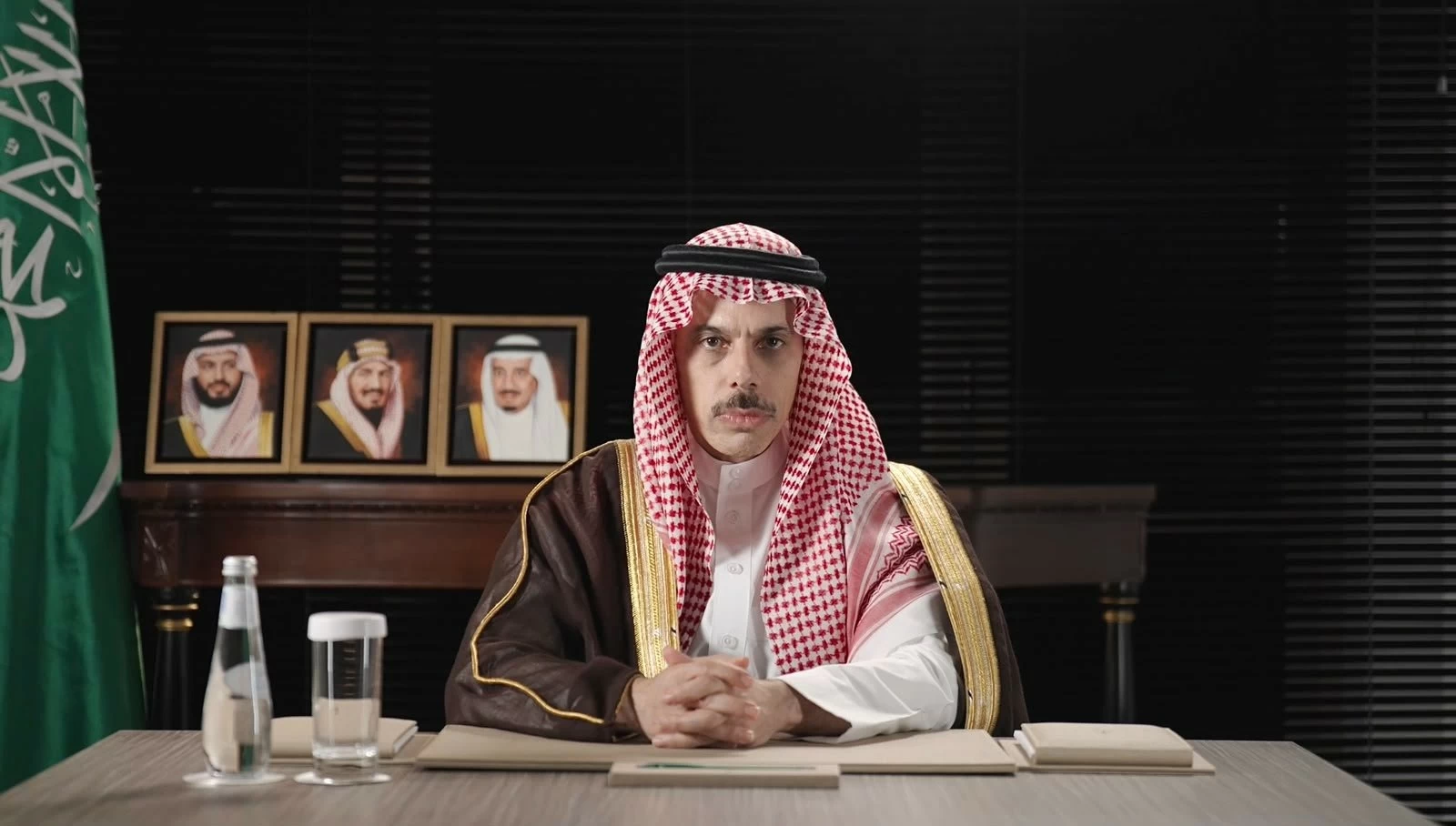
CAMBRIDGE — Saudi Foreign Minister Prince Faisal bin Farhan said the Middle East is at another critical turning point, warning that escalating regional tensions carry consequences that affect global security, energy markets and economic growth. During his virtual address at the 16th Gulf Research Meeting, Prince Faisal said the region is "once again at a defining moment," warning that escalating tensions have far-reaching global consequences. "Recent developments have demonstrated how quickly te…
CAMBRIDGE — The Middle East stands at yet another crossroads, Saudi Foreign Minister Prince Faisal bin Farhan warned, as rising regional tensions threaten global security, energy markets, and economic growth.
The minister's remarks come amid heightened instability across the region following a series of violent escalations that have sparked international alarm.
In his virtual address to the 16th Gulf Research Meeting, Prince Faisal described the region as "once again at a defining moment," cautioning that mounting tensions have far-reaching global consequences.
"Recent developments have demonstrated how quickly tension can spread beyond the regional context and affect global security, energy markets, and economic growth." he said
The foreign minister argued that the recent escalation underscores the inability of military force to achieve lasting peace.
"They have also reinforced a lesson that remains as relevant today as ever: there is no alternative to diplomacy, and lasting stability cannot be secured through military force alone."
Rather than settling for temporary ceasefires or periodic de-escalation, Prince Faisal stressed the need for “sustainable diplomatic solutions that provide real security and lasting peace.”
He added:
"The objective should not simply be the containment of tension, but the resolution of the underlying issues that generate tension and instability."
According to Prince Faisal, achieving long-term stability will require “confidence-building, responsible statecraft, and a shared commitment to a more predictable and stable regional order."
The Prince concluded by outlining the principles that, in Saudi Arabia's view, should underpin any future regional security framework, saying they are already clearly established in the United Nations Charter.
He identified respect for sovereignty “sovereignty, non-interference in internal affairs, good neighborliness, non-aggression, freedom of navigation, adherence to international law, and refraining from providing support to non-state actors are the foundations upon which any stable regional order should be built."
Diplomacy has been a pillar of Saudi foreign policy for decades, and Prince Faisal's emphasis on sustainable solutions echoes Riyadh's broader push for dialogue over confrontation. As regional rivalries persist, the kingdom's call for adherence to international law and a stable regional order may face significant challenges. The coming months will test whether these principles can gain traction in a volatile geopolitical landscape.
Original source: Saudi Gazette


Comments (0)
Be the first to comment.