Squares and Pedestrian Walkways in Mecca: Quality of Life Harmonizes with Urban Beauty and Green Spaces
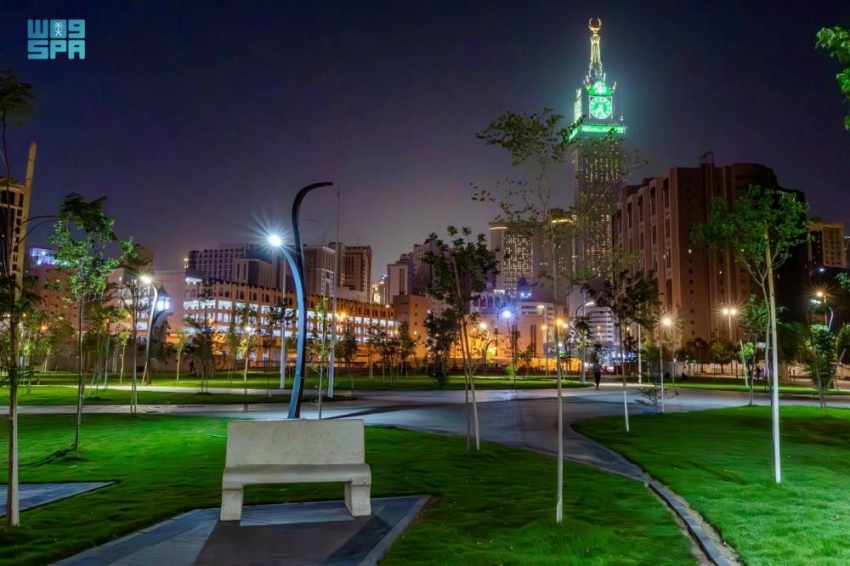
Mecca strengthens its presence as a city that blends the sanctity of the place with quality of life, through the development of public squares and pedestrian walkways, which have become vibrant urban interfaces, reflecting the level of urban development...
Mecca strengthens its presence as a city that combines the sanctity of the place with quality of life, through the development of public squares and pedestrian walkways that have become vibrant urban interfaces, reflecting the level of urban development the holy capital is witnessing, and contributing to providing a safe and attractive environment for residents and visitors, through green spaces, scenic views, and urban landscaping elements that elevate the visual scene and give the city a brighter and more lively character.
The squares spread across various parts of Mecca stand out as aesthetic stations amidst neighborhoods and main roads, where trees, plants, and seasonal flowers harmonize with architectural designs, fountains, and modern lighting, in a scene reflecting an increasing attention to the city's visual identity and enhancing quality of life in line with the goals of Saudi Vision 2030.
At the same time, pedestrian walkways have seen notable expansion within urban development projects, providing safe and prepared paths for walking and strolling, equipped with modern sidewalks, benches, seating umbrellas, lighting, and rainwater drainage systems, creating a comfortable environment for all age groups and encouraging the adoption of healthy lifestyles. The Holy Capital Municipality pays great attention to expanding green areas in squares, gardens, and median strips, by planting thousands of trees, shrubs, and plants suitable for the local environment, alongside implementing ongoing programs for the care of green spaces using modern irrigation systems that enhance water efficiency and achieve environmental sustainability.
These efforts have contributed to improving the city’s urban landscape and adding aesthetic touches to main roads and axes, as many squares have turned into urban landmarks attracting residents and visitors, especially during evening hours, thanks to the calm atmosphere and scenic views that reflect the urban development witnessed in Mecca. Pedestrian walkways represent an important element in promoting public health, as they encourage community members to engage in physical activity and provide a suitable environment for families, the elderly, and children, in addition to considering the needs of people with disabilities by equipping sidewalks and ramps according to approved engineering standards, achieving the concept of cities friendly to all segments of society. Tree planting and beautification of squares contribute to lowering temperatures, improving air quality, and reducing environmental impacts, as well as providing natural canopies and open spaces that offer visitors a more comfortable experience, reflecting a growing trend toward building a sustainable city where environmental, urban, and service aspects are integrated. The Holy Capital Municipality continues to implement periodic maintenance programs for public facilities, including care for green spaces, maintenance of lighting elements and aesthetic panels, preserving the city’s civilized appearance and ensuring the sustainability of these facilities according to the highest quality standards. Squares and pedestrian walkways are among the main pillars in the humanization projects implemented by Mecca, which aim to provide a more comfortable and attractive urban environment, enhance community interaction, and raise the level of well-being, in line with the goals of the Quality of Life Program, one of the programs of Saudi Vision 2030. With the continuation of urban development projects, Mecca continues to consolidate its position as a modern city that combines the authenticity of the place with the spirit of development, where squares and pedestrian walkways have become part of the daily scene that reflects ongoing care for people and place, and embodies a developmental vision seeking to provide an integrated urban environment that elevates quality of life and gives the residents and visitors of the holy capital a vibrant and sustainable experience.
Original source: Al-Madina

Comments (0)
Be the first to comment.