University Admission Confirmation Without Verification Messages
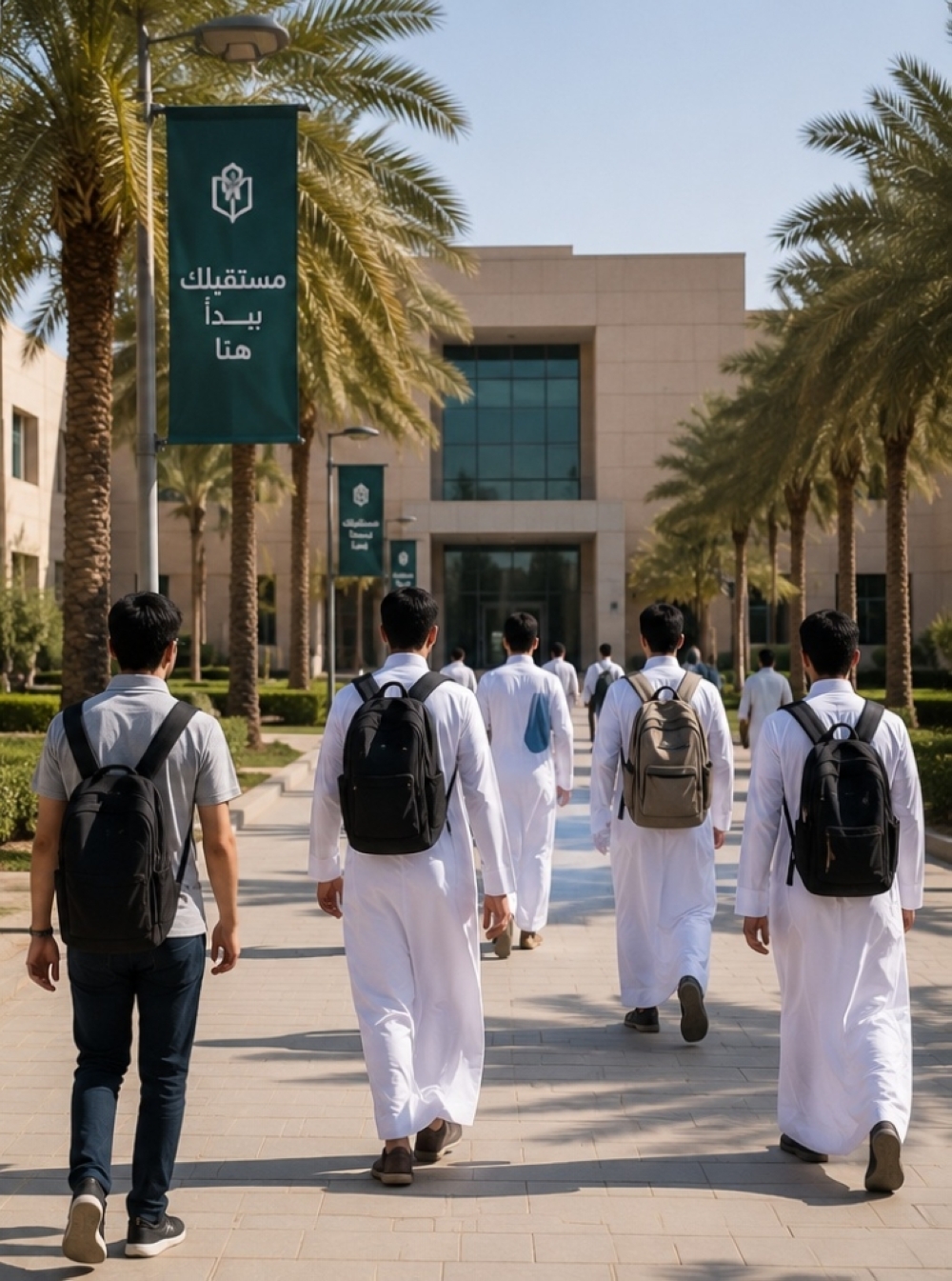
In a step aimed at facilitating university admission procedures, the National Unified Admissions Platform 'Qudool' has canceled the verification step via SMS and email when confirming admission. Under this update, students can now confirm their acceptance directly without needing to enter a verification code, helping to expedite and simplify procedures. In the same context, Saudi universities confirmed that they will send university numbers to candidates via text messages within two weeks after the end of the additional opportunities period, indicating that this will be done electronically, without the need to visit the university. Instant messaging: On the other hand, a number of interested parties in university admissions, including students and volunteers in various regions and governorates of the Kingdom, have launched new groups for expatriate male and female students via WhatsApp and Telegram on smartphones. These groups aim to support expatriate students, enhance communication among them, exchange academic experiences and inquiries, as well as share academic, service, and guidance information, and disseminate news about universities and housing, thus helping to face the challenges of being away from home and providing a safe communication environment that helps them adapt to study and life away from their places of residence. They also allow benefiting from the experiences of senior students by joining these groups and sharing their experiences with newcomers. Unaccepted: For their part, educational consultants, in statements to Al-Watan, explained that the appearance of the phrase 'Unaccepted' in the final sorting result, despite the frustration it causes, does not necessarily mean the end of all admission opportunities for this year. They pointed out the importance of the student monitoring their account on the platform from today until August 2, as vacant seats may become available due to some accepted students not confirming or withdrawing. They emphasized that benefiting from these seats is linked to several factors, including preference order, weighted score, specialization requirements, and the number of available seats, which makes the emergence of a new opportunity not guaranteed for all applicants. They also called on students to follow the opportunities continuity phase from August 3 to 31, and to realistically consider the available options in private universities and technical colleges, comparing specializations in terms of their nature, study and housing costs, university location, and future employment opportunities. The consultants emphasized the importance of not limiting the academic future to one university or one specialization, pointing out that a student may achieve their goals through a specialization close to their interests, or through a qualitative diploma, or studying at a technical college, then developing their academic and professional path through professional certificates, training, and practical experience. They added that the path may change or be delayed, but success is not linked to a single university or a single admission date. Support without pressure: For his part, educational consultant Abdullah Al-Sultan stressed the importance of the guardian's role at this stage, stating that what is required is to provide support to the student without exerting any pressure or imposing study choices on him, but rather helping him make an informed decision that suits his abilities and interests. He explained that this support begins with listening to the student and containing his anxiety, then discussing the available options with him in terms of interests and abilities, university location, housing and transportation costs, nature of study, and future career prospects. He also called on parents to avoid comparisons with others, such as saying: 'So-and-so's son was accepted into medicine' or 'Your total should have gotten you into this specialization,' stressing that such phrases do not change the results of the comparison, but rather increase psychological pressure on the student. He concluded by emphasizing that true support is to make the student feel that the acceptance result does not determine his value or future, and that the family will continue to support him whether he enrolls in his first choice or chooses a different academic or professional path.
< Previous PageNext Page >
Original source: Al-Watan






Comments (0)
Be the first to comment.