When the Global Stage Speaks with a Saudi Accent - Dr. Ali bin Ali Al-Saadouni
In the modern era, the status of nations is no longer measured solely by their economic power or political weight. Rather, it is also measured by the presence of their national figures in major international forums that capture the world's attention. These seemingly brief moments transform into profound messages, confirming the extent of a nation's influence and reflecting the trust its leaders and competencies enjoy in global institutions. Such institutions bestow their honorary positions only upon those who have become part of shaping the international scene and contributed to building an experience worthy of respect and appreciation.
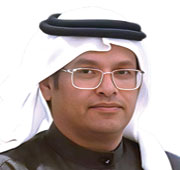
Perhaps the scene in which His Excellency Mr. Yasir Al-Rumayyan presented the Best Young Player award at the FIFA World Cup finals was not merely a fleeting protocol shot captured by photographers and then forgotten like hundreds of similar scenes. Instead, it was an image carrying implications beyond sports, reflecting the stature the Kingdom of Saudi Arabia has attained in various international institutions and events. The Kingdom has become a partner in decision-making, a presence at the world's biggest events, and an influence that transcends geography into the realms of economy, investment, sports, culture, and international politics.
Yasir Al-Rumayyan's presence in this global scene cannot be separated from the great transformation the Kingdom is undergoing under Saudi Vision 2030. This vision redefined the Saudi role in the world, moving the national presence from the circle of observation to that of active participation, from merely hosting events to contributing to their creation, and from achieving local successes to establishing an influential Saudi presence in international organizations and forums. These bodies now view Saudi competence as a partner capable of achieving accomplishments, managing major portfolios, and contributing to shaping the future of the economy, sports, and investment globally.
It is no coincidence that Yasir Al-Rumayyan is present at such occasions. He represents a model of economic leadership that has built a global reputation through institutional work, deep investment vision, and the ability to manage complex files where global markets intersect and economic interests converge. This requires a mind possessing wisdom, foresight, and the ability to anticipate the future, making him worthy of trust in the world's largest economic and investment institutions. His name has become present in economic decision-making circles, and his presence in international forums is a natural extension of the standing he achieved over many years of work and achievement.
The image of him presenting the award is not a tribute to a particular individual but rather a reflection of the status of a nation that managed to impose its presence on the global stage. It shows how the Kingdom has enabled its citizens to lead in international forums, proving to the world that Saudi Arabia is no longer content with merely participating in shaping the future but has become one of its makers. Saudi competencies have become a hallmark of trust, a symbol of professionalism, and a partner in leading institutions that define the contours of the economy, sports, and investment in the twenty-first century.
Thus, the Kingdom of Saudi Arabia moves forward with confident steps, carrying with it men who have become ambassadors of its success in every global forum. They reflect the image of a nation that is not satisfied with achievements within its borders but creates its presence in the world through the minds of its people, the competence of its leaders, and an ambitious vision that has made the Kingdom's name present wherever major decisions are made and where success stories that transcend time and space are written.
Other articles by the author
The Language of Political Discourse: The Word That Shapes Positions
When Ethics Speak Before Office
Leadership Is Measured by Stances
Orientalism in Edward Said: Between Deconstructing Western Discourse and the Problem of Generalization in Reading the Orientalist Heritage
Excavating the Hidden Layers That Shape Truth Before It Becomes Social Certainty
Original source: Al-Jazirah



Comments (0)
Be the first to comment.