Yemeni Planning Minister to 'Okaz': Saudi Program is the Most Important Development Partner
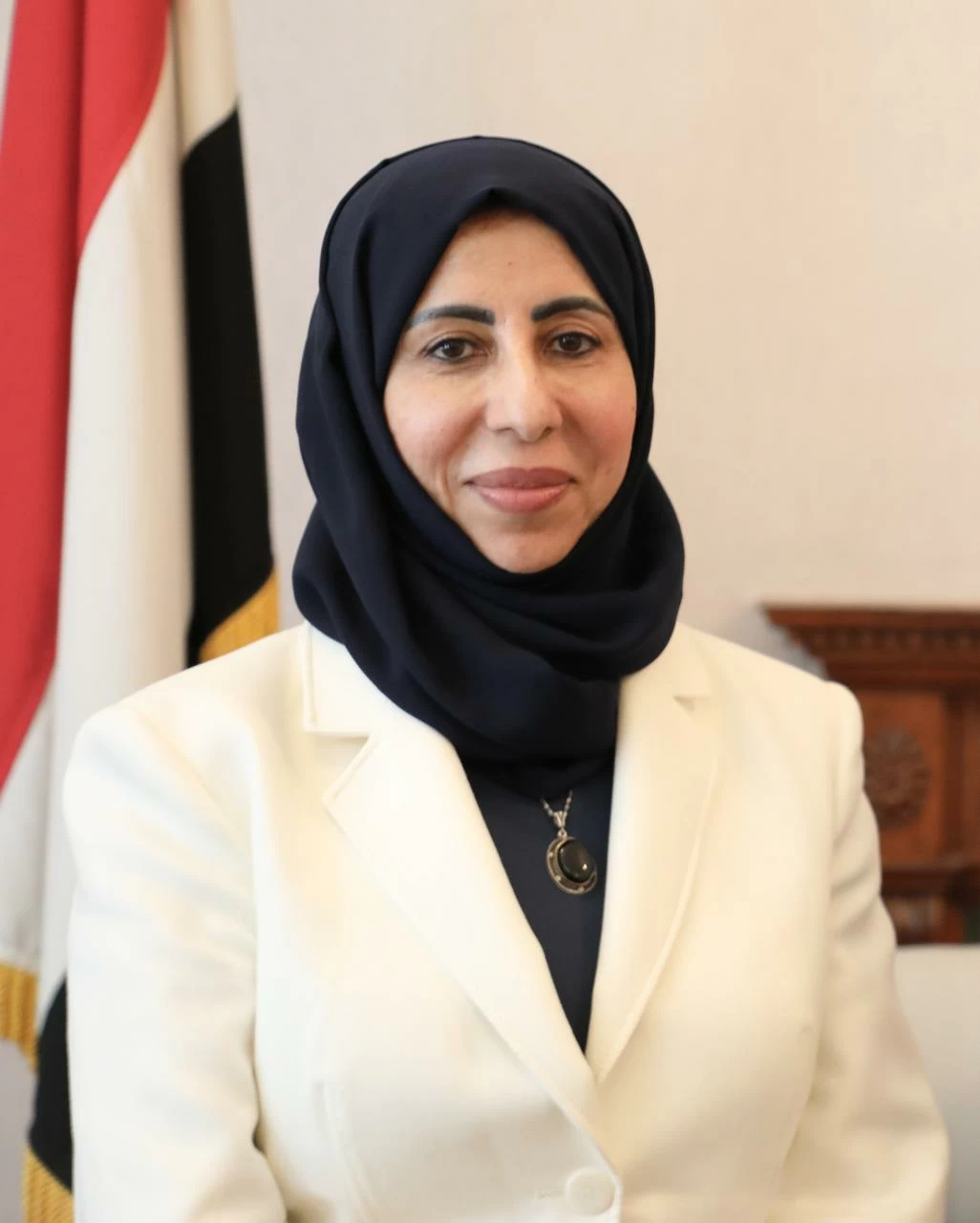
Yemeni Minister of Planning and International Cooperation Dr. Afrah al-Zawba confirmed that the relationship between Saudi Arabia and Yemen is strategic and deep-rooted, based on historical ties and common interests. In an interview with 'Okaz', she said that over the past years, Saudi Arabia has proven to be a key partner for Yemen in political, humanitarian, developmental, and economic aspects. This is evident through the role of the Saudi Program for the Development and Reconstruction of Yemen in implementing quality development projects, as well as the significant efforts of the King Salman Humanitarian Aid and Relief Center in...
وزيرة «التخطيط» اليمني لـ«عكاظ»: البرنامج السعودي أهم شريك للتنمية
نشر في 18 يوليو 2026 الساعة 16:18 (آخر تحديث: 18 يوليو 2026، 16:18)
تأتي تصريحات الوزيرة في وقت تواجه فيه اليمن تحديات إعادة الإعمار والتعافي.
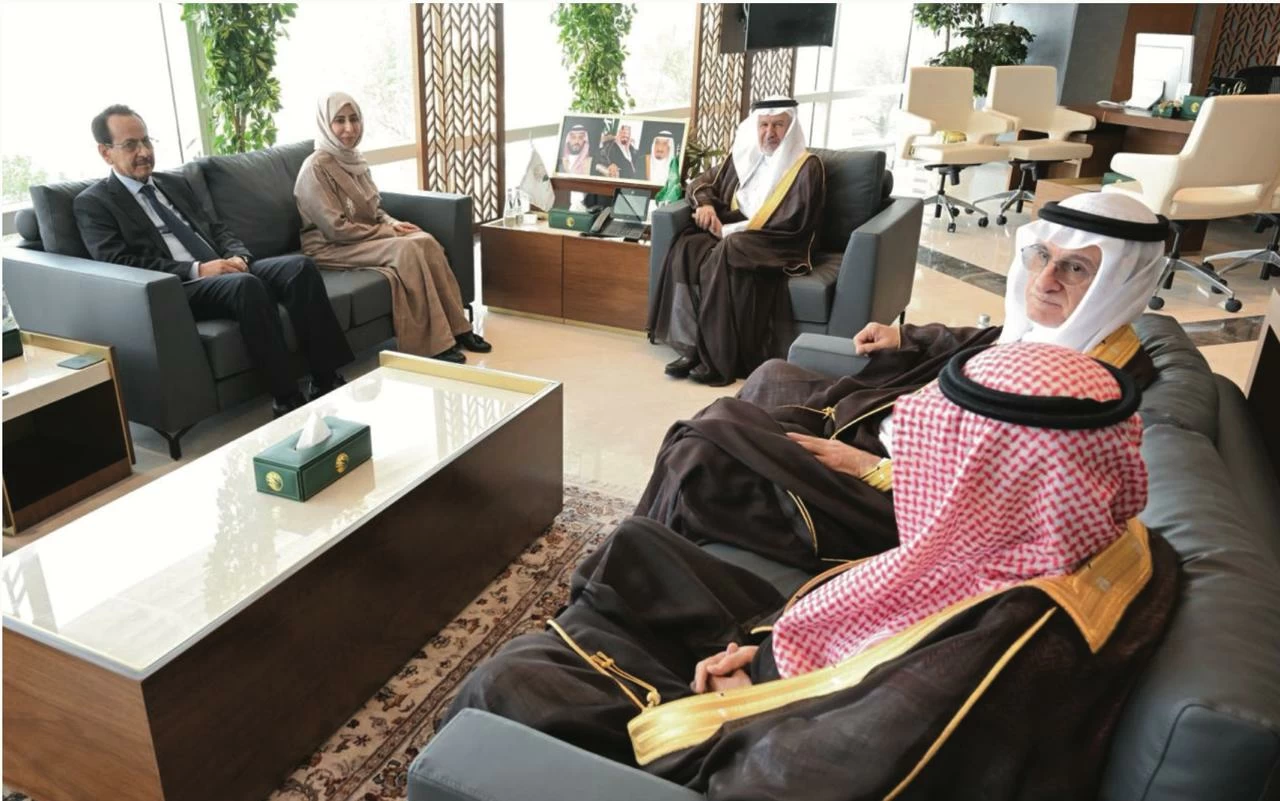 لقاء الوزيرة بالمشرف على مركز الملك سلمان للإغاثة الدكتور عبدالله الربيعة لمناقشة المشاريع المنفذة
--:--
حاورها: عبدالله آل هتيلة ahatayla2020@
أكدت وزيرة التخطيط والتعاون الدولي اليمني الدكتورة أفراح الزوبة، أن العلاقة بين السعودية واليمن إستراتيجية ومتجذرة، وتستند إلى روابط تاريخية ومصالح مشتركة. وقالت في حوار أجرته معها «عكاظ»، إنه وخلال السنوات الماضية، أثبتت السعودية أنها شريك أساسي لليمن، في الجوانب السياسية والمجالات الإنسانية والتنموية والاقتصادية، ويتضح ذلك من خلال الدور الذي يقوم به البرنامج السعودي لتنمية وإعمار اليمن في تنفيذ مشاريع تنموية نوعية، وكذلك الجهود الكبيرة التي يبذلها مركز الملك سلمان للإغاثة والأعمال الإنسانية في دعم الاستجابة الإنسانية، مشيرة إلى أن هذا التكامل يمثل نموذجًا مهمًا، لأن اليمن بحاجة إلى الاستجابة للحاجات العاجلة، وفي الوقت نفسه الاستثمار في بناء مؤسسات الدولة وتحسين الخدمات الأساسية. وأوضحت أن وزارتها تواجه كثيراً من التحديات والصعوبات من خلال مواصلة الإصلاحات وتحسين إدارة الموارد وتعزيز الشراكات مع المانحين والتركيز على المشاريع ذات الأولوية، لتحقيق أفضل استفادة ممكنة للمواطنين. وتحدثت الوزيرة أفراح الزوبة عن عدد من المواضيع المهمة خلال الحوار التالي:
أضرار الحرب على مؤسسات الدولة
• بعد سنوات من الحرب كيف هو حال اليمن وخصوصا ما يتعلق بالدولة ومؤسساتها؟
من غير الممكن إنكار حجم الأضرار التي لحقت بمؤسسات الدولة جراء الحرب، سواء في البنية التحتية أو الموارد البشرية. لكن الحكومة تمكنت من الحفاظ على استمرارية عمل هذه المؤسسات وأداء مهامها الأساسية في ظروف صعبة للغاية. ونحن الآن في مرحلة جديدة تركز على استعادة كفاءة المؤسسات وتعزيز الحوكمة لدفع التعافي الاقتصادي والتنموي. فالتنمية لا تتحقق بدون مؤسسات قادرة، وهذا هو محور عمل وزارة التخطيط.
العلاقة مع السعودية إستراتيجية ومتجذرة
• كيف تنظرون إلى التعاون بين السعودية واليمن في المجالات المختلفة؟
العلاقة بين السعودية واليمن إستراتيجية وعميقة، تقوم على روابط تاريخية ومصالح متبادلة. على مدار السنوات السابقة، أثبتت المملكة أنها شريك رئيسي لليمن في المجالات السياسية والإنسانية والتنموية والاقتصادية. ويظهر ذلك جلياً من خلال مشاريع البرنامج السعودي لتنمية وإعمار اليمن التنموية، وجهود مركز الملك سلمان للإغاثة في الاستجابة الإنسانية. ويمثل هذا التكامل نموذجاً مهماً، إذ يحتاج اليمن إلى معالجة الحاجات الملحة مع الاستثمار في بناء مؤسسات الدولة وتحسين الخدمات الأساسية.
السعودية من أهم شركاء التنمية
• حدثينا عن الدعم السعودي لليمن عن طريق البرنامج السعودي لتنمية وإعمار اليمن؟
•• البرنامج السعودي لتنمية وإعمار اليمن يعد من أهم شركاء التنمية في اليمن، لأنه يتبنى رؤية تنموية بعيدة المدى تستهدف القطاعات الأكثر ارتباطًا بحياة المواطنين، مثل التعليم والصحة والطاقة والمياه والطرق وغيرها. ما يميز البرنامج هو أنه يعمل بالشراكة مع الحكومة اليمنية، ويحرص على مواءمة مشاريعه مع الأولويات الوطنية، وهو ما يسهم في رفع كفاءة التنفيذ وتحقيق أثر مستدام. كما أن البرنامج لا يركز فقط على إنشاء المشاريع، بل يهتم بجودة التنفيذ واستدامة النتائج، وهو أمر بالغ الأهمية في هذه المرحلة.
شراكات مع المؤسسات المالية الدولية
• كيف هو تواصلكم وتعاملكم مع المؤسسات والهيئات الدولية، وما هي مخرجاته؟
•• لدينا شراكات فاعلة مع المؤسسات المالية الدولية، ووكالات الأمم المتحدة، والمنظمات الدولية، والدول المانحة، ونعمل باستمرار على تعزيز التنسيق معها لضمان توافق تدخلاتها مع أولويات الحكومة. وخلال الأشهر الماضية، عقدنا العديد من الاجتماعات والزيارات التي عززت هذه العلاقات واستعادت ثقة المانحين بالحكومة. وقد أثمر هذا التعاون عن حشد تمويلات جديدة لعدد من المشاريع التنموية، وتعزيز برامج الحماية الاجتماعية، والأمن الغذائي، وبناء القدرات، إلى جانب توسيع مجالات التعاون مع شركائنا في دعم الإصلاحات الاقتصادية والمؤسسية.
دعم دولي مهم لليمن
• كيف تجدون تفاعل المجتمع الدولي مع الحاجات الفعلية العاجلة المتعلقة بحاجات المواطن اليمني ومؤسسات الدولة؟
•• المجتمع الدولي لا يزال يقدم دعمًا مهمًا لليمن، لكن حجم الحاجات يفوق الموارد المتاحة، خصوصًا مع تعدد الأزمات العالمية. لذلك نؤكد باستمرار أن دعم اليمن يجب ألا يقتصر على الجانب الإنساني، بل ينبغي أن يشمل أيضًا دعم مؤسسات الدولة، لأنها الضامن لاستدامة الخدمات وتحقيق التعافي على المدى الطويل.
مواجهة التحديات بمواصلة الإصلاحات
• ما هي أبرز المشكلات التي ما زالت تواجهكم وكيف تعملون للتغلب عليها؟
•• أبرز التحديات تتمثل في محدودية الموارد، وتراجع التمويل التنموي، واستمرار الآثار الاقتصادية للحرب، إلى جانب التحديات المرتبطة بتنفيذ المشاريع في بيئة معقدة. ونعمل على مواجهة هذه التحديات من خلال مواصلة الإصلاحات وتحسين إدارة الموارد وتعزيز الشراكات مع المانحين والتركيز على المشاريع ذات الأولوية، لتحقيق أفضل استفادة ممكنة للمواطنين.
تطور ملحوظ في التنسيق مع السعودية
• ماذا عن التنسيق مع السعودية في مجالات التخطيط والتطوير؟
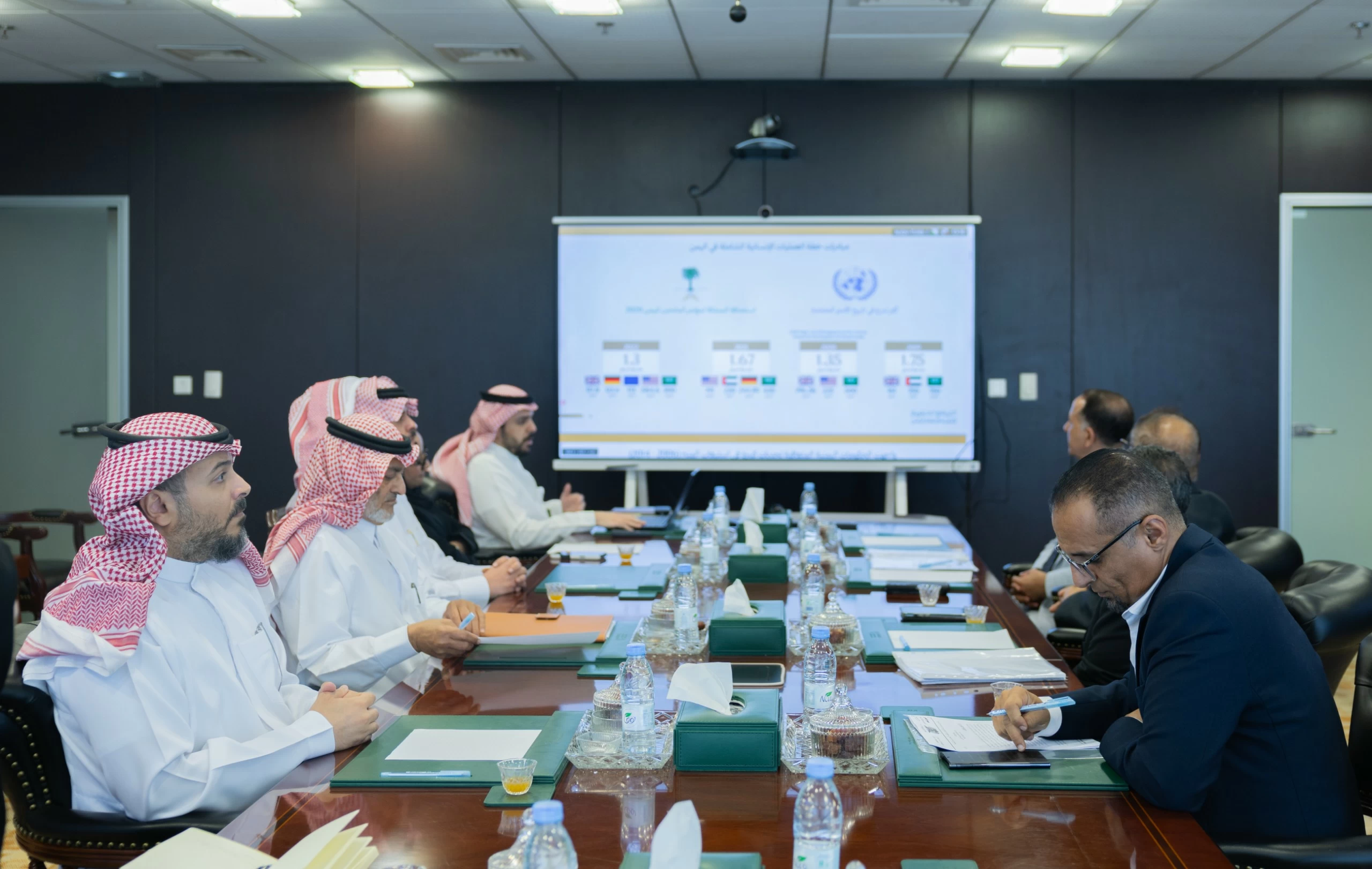
•• التنسيق مع الأشقاء في المملكة العربية السعودية يشهد تطورًا ملحوظًا، ولم يعد يقتصر على دعم المشاريع أو تمويلها، بل أصبح يمتد إلى التنسيق في التخطيط ووضع الأولويات وتصميم البرامج التنموية، بما يتواءم مع رؤية الحكومة اليمنية وأهدافها في التعافي وإعادة الإعمار. هناك تعاون وثيق مع البرنامج السعودي لتنمية وإعمار اليمن، الذي أصبح أحد أهم شركاء التنمية في اليمن، خصوصاً في قطاعات الكهرباء والتعليم والصحة والمياه والنقل، إضافة إلى المساهمة في تطوير نماذج جديدة للشراكة بين الحكومة والقطاع الخاص، وتعزيز الاستثمار في القطاعات الحيوية. وشهدنا أخيراً في الرياض حوارًا رفيع المستوى جمع الحكومة اليمنية والبرنامج السعودي لتنمية وإعمار اليمن ومجموعة البنك الدولي ومؤسسات التمويل الدولية والقطاع الخاص، لمناقشة مستقبل قطاع الكهرباء في اليمن. ومثل هذه الحوارات تعكس انتقال التعاون إلى مرحلة أكثر تقدمًا، تقوم على التخطيط المشترك وجذب الاستثمار وتوفير البيئة المناسبة لمشاركة القطاع الخاص في مشاريع التنمية وإعادة الإعمار. وفي الوقت نفسه، يمثل مركز الملك سلمان للإغاثة والأعمال الإنسانية شريكًا أساسيًا في الجانب الإنساني، وقد تطورت آليات التنسيق معه بصورة كبيرة لضمان مواءمة التدخلات الإنسانية مع أولويات الحكومة والحاجات الفعلية للمواطنين. ومن جانبنا في وزارة التخطيط والتعاون الدولي، نحرص على أن تكون جميع المبادرات والمشاريع المنفذة بالتعاون مع الأشقاء في المملكة جزءًا من إطار تنموي متكامل، يرتبط بخطة التنمية الاقتصادية والاجتماعية وإعادة الإعمار، ويعزز كفاءة مؤسسات الدولة، ويحسن الخدمات الأساسية، ويمهد للانتقال التدريجي من الاعتماد على المساعدات إلى التنمية القائمة على الاستثمار والشراكات المستدامة.
تنفيذ عدد من البرامج والمبادرات
• ما هي أهم المشاريع المستقبلية التي من شأنها تفعيل التعاون مع المؤسسات والهيئات وبما ينعكس على الأداء الحكومي؟
•• نعمل حالياً على تنفيذ عدد من البرامج والمبادرات التي تركز على بناء قدرات مؤسسات الدولة، وتعزيز الحماية الاجتماعية، والتحول الرقمي، وتحسين إدارة الاستثمار العام، إلى جانب إعداد خطة التنمية الاقتصادية والاجتماعية للأعوام 2027–2029. كما نسعى إلى توسيع الشراكات مع المؤسسات المالية الدولية، والأشقاء في المملكة العربية السعودية، وبقية شركاء التنمية، بما يسهم في تحسين الأداء الحكومي، وتعزيز كفاءة المؤسسات، وتحقيق تنمية أكثر استدامة تخدم المواطن اليمني. ونعمل حالياً على عدد من المبادرات الإصلاحية التي ستحدث نقلة في إدارة التعاون التنموي، وفي مقدمتها مشروع «النافذة الواحدة» لإدارة المساعدات التنموية، الذي سيشكل منصة موحدة لتنسيق المشاريع والبرامج بين الحكومة وشركاء التنمية. سيسهم هذا المشروع في بناء نظام متكامل لإدارة المعلومات المتعلقة بالمشاريع، بدءًا من التخطيط والاعتماد، مرورًا بالتنفيذ والمتابعة، ووصولًا إلى تقييم الأثر، بما يعزز الشفافية، ويرفع كفاءة التنسيق، ويحد من ازدواجية التدخلات، ويضمن توجيه الموارد نحو الأولويات الوطنية.
The Yemeni Minister of Planning and International Cooperation, Dr. Afrah Al-Zouba, confirmed that the relationship between Saudi Arabia and Yemen is strategic and deeply rooted, based on historical ties and shared interests. In an interview with "Okaz," she stated that over the past years, Saudi Arabia has proven to be a key partner for Yemen in political, humanitarian, developmental, and economic aspects. This is evident through the role played by the Saudi Program for Development and Reconstruction of Yemen in implementing quality developmental projects, as well as the significant efforts made by the King Salman Humanitarian Aid and Relief Center in supporting humanitarian response. She pointed out that this integration represents an important model, as Yemen needs to respond to urgent needs while simultaneously investing in building state institutions and improving basic services. She explained that her ministry faces many challenges and difficulties in continuing reforms, improving resource management, enhancing partnerships with donors, and focusing on priority projects to achieve the best possible benefit for citizens. Minister Afrah Al-Zouba discussed several important topics during the following dialogue:
The Impact of War on State Institutions
• After years of war, how is Yemen doing, especially regarding the state and its institutions?
•• The extent of the damage caused by the war to state institutions cannot be denied, whether at the level of infrastructure, resources, or personnel. Nevertheless, the government has managed to maintain the continuity of its institutions and carry out its core functions under extremely complex conditions. Today, we are working on a different phase, focusing on restoring the efficiency of institutions, enhancing governance, and increasing their capacity to lead economic and developmental recovery. Development cannot be achieved without capable and effective institutions, and this represents the essence of our work at the Ministry of Planning and International Cooperation.
The Relationship with Saudi Arabia is Strategic and Deeply Rooted
• How do you view the cooperation between Saudi Arabia and Yemen in various fields?
•• The relationship between the Kingdom of Saudi Arabia and Yemen is strategic and deeply rooted, based on historical ties and shared interests. Over the past years, the Kingdom has proven to be a key partner for Yemen, whether in political, humanitarian, developmental, or economic aspects. We can see this through the role played by the Saudi Program for Development and Reconstruction of Yemen in implementing quality developmental projects, as well as the significant efforts made by the King Salman Humanitarian Aid and Relief Center in supporting humanitarian response. This integration represents an important model, as Yemen today needs to respond to urgent needs while simultaneously investing in building state institutions and improving basic services.
Saudi Arabia is One of the Most Important Development Partners
• Tell us about the Saudi support for Yemen through the Saudi Program for Development and Reconstruction of Yemen?
•• The Saudi Program for Development and Reconstruction of Yemen is one of the most important development partners in Yemen, as it adopts a long-term developmental vision targeting the sectors most connected to the lives of citizens, such as education, health, energy, water, roads, and others. What distinguishes the program is that it works in partnership with the Yemeni government and is keen to align its projects with national priorities, which contributes to enhancing implementation efficiency and achieving sustainable impact. Additionally, the program does not focus solely on creating projects but also emphasizes the quality of implementation and the sustainability of results, which is crucial at this stage.
Partnerships with International Financial Institutions
• How is your communication and interaction with international institutions and bodies, and what are its outcomes?
•• We have effective partnerships with international financial institutions, UN agencies, international organizations, and donor countries, and we continuously work to enhance coordination with them to ensure that their interventions align with government priorities. Over the past months, we have held numerous meetings and visits that have strengthened these relationships and restored donor confidence in the government. This cooperation has resulted in mobilizing new funding for several developmental projects, enhancing social protection programs, food security, capacity building, and expanding areas of cooperation with our partners in supporting economic and institutional reforms.
Important International Support for Yemen
• How do you find the international community's response to the actual urgent needs related to the needs of the Yemeni citizen and state institutions?
•• The international community continues to provide important support to Yemen, but the scale of needs exceeds the available resources, especially with the multiple global crises. Therefore, we constantly emphasize that support for Yemen should not be limited to humanitarian aspects but should also include support for state institutions, as they are the guarantor of service sustainability and achieving long-term recovery.
Facing Challenges by Continuing Reforms
• What are the main problems you still face, and how are you working to overcome them?
•• The main challenges include limited resources, declining developmental funding, the ongoing economic impacts of the war, and challenges related to project implementation in a complex environment. We are working to address these challenges by continuing reforms, improving resource management, enhancing partnerships with donors, and focusing on priority projects to achieve the best possible benefit for citizens.
Notable Progress in Coordination with Saudi Arabia
• What about coordination with Saudi Arabia in the fields of planning and development?
•• Coordination with our brothers in the Kingdom of Saudi Arabia is witnessing notable progress, and it is no longer limited to supporting or financing projects but has extended to coordination in planning, setting priorities, and designing developmental programs that align with the vision of the Yemeni government and its goals in recovery and reconstruction. There is close cooperation with the Saudi Program for Development and Reconstruction of Yemen, which has become one of the most important development partners in Yemen, especially in the sectors of electricity, education, health, water, and transport, in addition to contributing to developing new partnership models between the government and the private sector and enhancing investment in vital sectors. Recently, we witnessed a high-level dialogue in Riyadh that brought together the Yemeni government, the Saudi Program for Development and Reconstruction of Yemen, the World Bank Group, international financing institutions, and the private sector to discuss the future of the electricity sector in Yemen. Such dialogues reflect the transition of cooperation to a more advanced stage, based on joint planning, attracting investment, and providing an appropriate environment for private sector participation in development and reconstruction projects. At the same time, the King Salman Humanitarian Aid and Relief Center represents a key partner in the humanitarian aspect, and the coordination mechanisms with it have significantly evolved to ensure that humanitarian interventions align with government priorities and the actual needs of citizens. From our side in the Ministry of Planning and International Cooperation, we ensure that all initiatives and projects implemented in cooperation with our brothers in the Kingdom are part of an integrated developmental framework linked to the economic and social development and reconstruction plan, enhances the efficiency of state institutions, improves basic services, and paves the way for a gradual transition from reliance on aid to investment-based development and sustainable partnerships.
Implementation of Several Programs and Initiatives
• What are the most important future projects that will activate cooperation with institutions and bodies in a way that reflects on government performance?
•• We are currently working on implementing several programs and initiatives that focus on building the capacities of state institutions, enhancing social protection, digital transformation, and improving public investment management, in addition to preparing the economic and social development plan for the years 2027–2029. We also seek to expand partnerships with international financial institutions, our brothers in the Kingdom of Saudi Arabia, and other development partners, which contributes to improving government performance, enhancing institutional efficiency, and achieving more sustainable development that serves the Yemeni citizen. We are currently working on several reform initiatives that will bring about a shift in the management of development cooperation, foremost among them is the "Single Window" project for managing developmental aid, which will form a unified platform for coordinating projects and programs between the government and development partners. This project will contribute to building an integrated system for managing information related to projects, starting from planning and approval, through implementation and monitoring, to impact evaluation, thereby enhancing transparency, increasing coordination efficiency, reducing duplication of interventions, and ensuring the allocation of resources towards national priorities.
وزير التخطيط اليمني افراح الزوبة سلمان للاغاثة العمل الانساني
تؤكد الوزيرة أن الوزارة تواجه تحديات في تحسين إدارة الموارد وتعزيز الشراكات، مع التركيز على المشاريع ذات الأولوية. ويعد البرنامج السعودي لتنمية وإعمار اليمن ومركز الملك سلمان للإغاثة ركيزتين أساسيتين في هذه الجهود. ويبقى التعرف على تطورات المشاريع المخطط لها محور اهتمام المراقبين.
Original source: Okaz

Comments (0)
Be the first to comment.