Al-Alimi: We Are Proceeding to Protect Yemen's Sovereignty and Confront Houthi Escalation
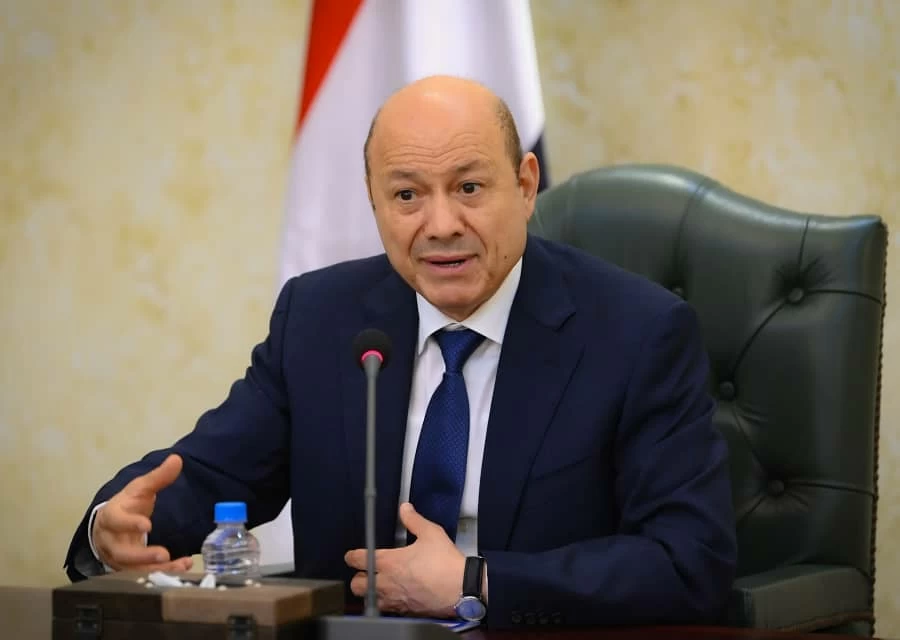
Yemeni President Rashad Al-Alimi accused the Houthis of evading peace commitments and fabricating crises with Iranian support, affirming adherence to de-escalation while protecting sovereignty and preventing the imposition of a fait accompli.
Yemeni Presidential Leadership Council President Rashad Al-Alimi sent simultaneous messages to the Yemeni interior and the international community, affirming that the state in his country is proceeding to protect its sovereignty and the interests of its citizens, while adhering to the option of peace and not being drawn into expanding the circle of confrontation, accusing the Iran-backed Houthi group of exploiting the suffering of Yemenis and fabricating crises to evade the requirements of a political settlement and undermine the truce in place since 2022.
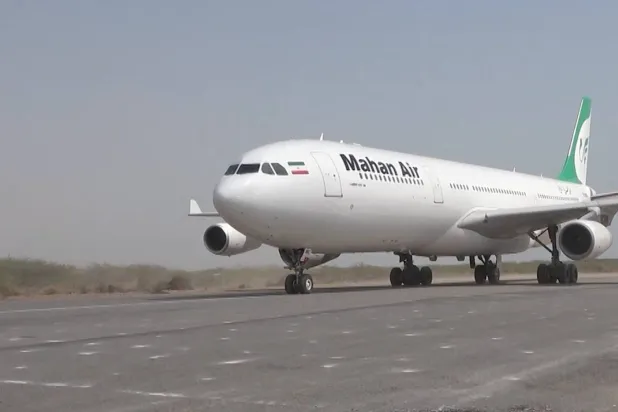
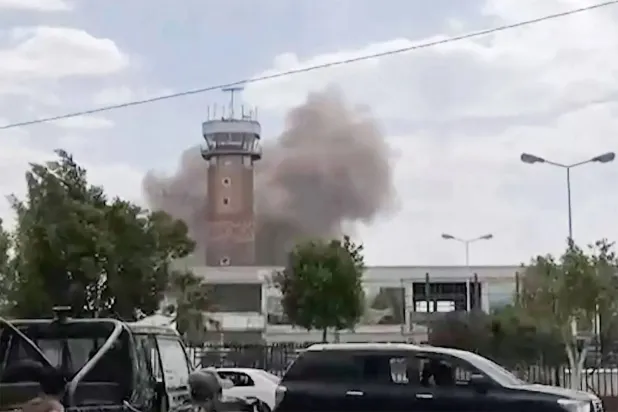
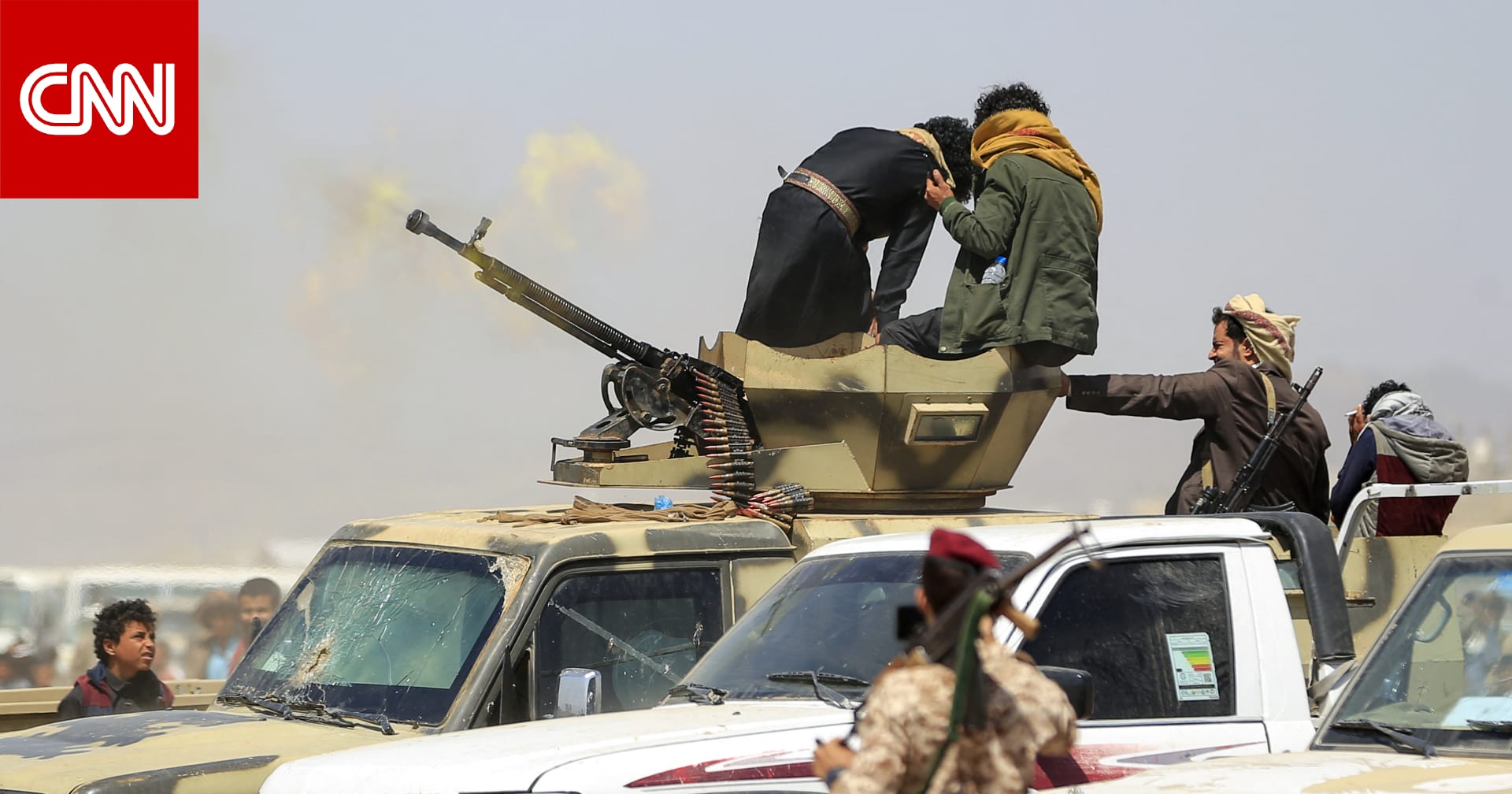
Al-Alimi's statements came in the wake of the recent escalation related to an attempt to bring an Iranian plane into Sana'a airport without the approval of the legitimate government, a crisis that brought tension back to the forefront of the Yemeni scene, amid fears that the Houthis are seeking to impose new facts on the ground with Iranian support, and to move the conflict to broader levels, threatening the truce path sponsored by the United Nations in recent years.
In tweets on the ‘X’ platform, the head of the Yemeni Presidential Council affirmed that residents of areas under Houthi control ‘represent the spirit of the republic,’ stressing that the state will not abandon them, and will continue to work to alleviate their suffering, restore state institutions, and achieve just peace, despite what he described as ‘the group's insistence on turning citizens' suffering into a political paper serving its own agenda.’
Messages to our people in militia areas: 1- You are the spirit of this republic and we will not abandon your aspirations no matter the sacrifices. We have presented all possible initiatives to alleviate your suffering, protect your lives, and open horizons for peace, but this rogue group has chosen each time to flee to escalation and destruction.
— Dr. Rashad Muhammad Al-Alimi (@PresidentRashad) July 16, 2026
He pointed out that the government has repeatedly offered initiatives over the past years to alleviate the suffering of Yemenis and open peace paths, but the Houthis chose each time escalation instead of engaging in solutions, considering that this behavior reflects a fixed pattern in the group's management of the Yemeni crisis.
Accusations of undermining the truce
Al-Alimi's statements come at a time when the Yemeni crisis is witnessing gradual escalation, which observers believe aims to undermine the relative calm that has prevailed since the announcement of the UN truce in April 2022, which, despite the end of its official term, its effects continued through the decline of large-scale military operations and the continuation of international efforts to push towards a political settlement.
The head of the Yemeni governing council believes that the Houthi group did not treat the truce as an opportunity to end the war, but rather exploited it to reorganize its military capabilities, then returned to a policy of creating crises whenever it approached peace requirements or faced internal and external pressures.
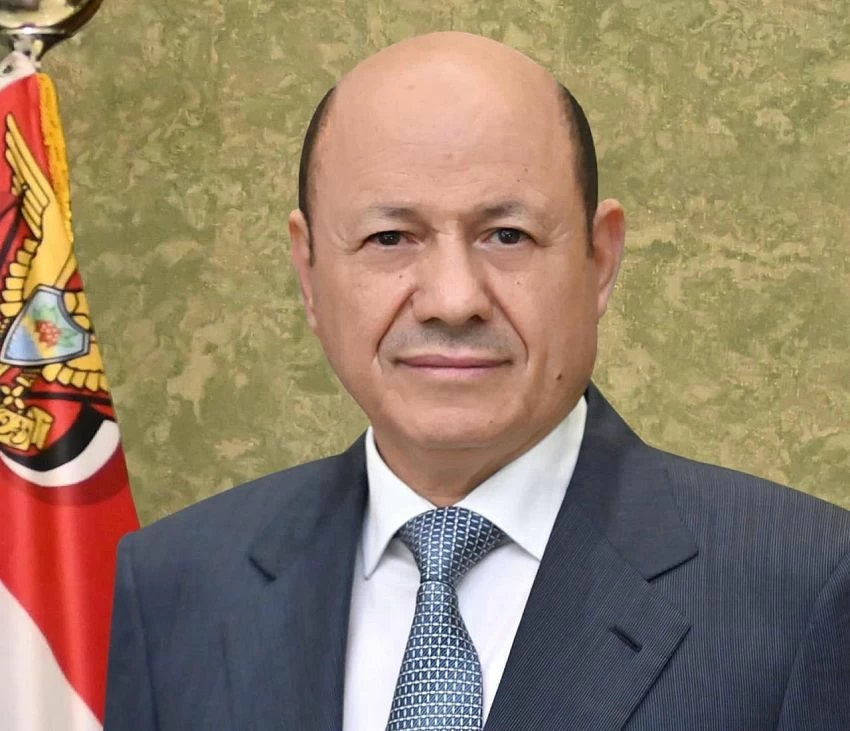
Al-Alimi affirmed the state's commitment to peace while protecting Yemeni sovereignty (Saba)
In this context, Al-Alimi stressed that the government was never the cause of disrupting flights through Sana'a airport, denying Houthi accusations in this regard, and affirming that the legitimate authorities presented legal alternatives to operate the airport through the national carrier (Yemen Airways), guaranteeing the right of all Yemenis to travel without discrimination.
He accused the Houthis of detaining the national airline's planes, seizing its funds, and damaging its capabilities, considering that the group seeks to use the airport as a tool to impose a political fait accompli, not as a public facility serving citizens.
He also clearly announced that the government will not allow in the future the entry or landing of any foreign aircraft at any Yemeni airport without the approval of the legitimate state, in affirmation of its adherence to exercising its sovereign powers in accordance with international law.
Messages to the interior... and a warning from Iran
Alongside his political messages, Al-Alimi issued a direct appeal to Yemeni tribes and families in various governorates, calling on them not to allow the Houthis to recruit their sons and drag them into what he described as ‘futile wars’ that do not serve Yemen's future, affirming that the republic was established to protect the dignity of all Yemenis, and that siding with the state project is the path to security, stability, and the rule of law.
He stressed that the state, through its institutions and armed forces, will continue to perform its constitutional duty to protect national sovereignty and safeguard the interests of citizens, while maintaining a responsible approach that avoids plunging the country into a broader confrontation that serves the goals of the parties supporting the Houthis.
Al-Alimi's meeting with the US chargé d'affaires discussed Houthi escalation (Saba)
During his reception of the US chargé d'affaires to Yemen, Jonathan Peichah, Al-Alimi praised the partnership with the United States and its role in supporting Yemen's security, combating terrorism, and protecting international navigation. He also appreciated the position of the international community during the emergency session of the Security Council, which condemned Iranian violations of Yemen's sovereignty and held Tehran responsible for supporting the Houthis, in violation of international legitimacy resolutions, foremost among them Resolution 2216.
The head of the Presidential Leadership Council explained that the government's handling of recent developments stemmed from its legal and moral responsibility as a member of the United Nations, affirming that the decision to exercise restraint and not expand the confrontation was not a retreat from sovereignty, but rather an expression of the state's responsibility and its keenness to protect civilians and prevent the country from sliding into a conflict that serves the Iranian agenda.
He said the difference is clear between a state that abides by international law and tries to avoid exposing civilians to danger, and an armed group that does not hesitate to use the population as human shields and employ civilian institutions to serve its military and political goals.
In his assessment of the course of the crisis, Al-Alimi considered that reading the Houthis' behavior over the past years reveals their adoption of a fixed policy based on escaping peace requirements by fabricating external crises and diverting attention from the essence of the Yemeni issue, allowing them to blackmail the regional and international communities and impose new facts on the ground by force.
He affirmed that this approach will not change the reality of the conflict, nor will it hinder any sustainable peace that begins with ending the coup, restoring state institutions, and adhering to national, regional, and international references. He reiterated that the state's hand will remain extended to every sincere endeavor leading to a just peace that ends the war and preserves the dignity of Yemenis, but he stressed at the same time that protecting national sovereignty will remain a responsibility that cannot be compromised.
Read also
Original source: Asharq Al-Awsat

Comments (0)
Be the first to comment.