Al-Zaidi Makes Leadership Changes in 'Office of the Armed Forces'
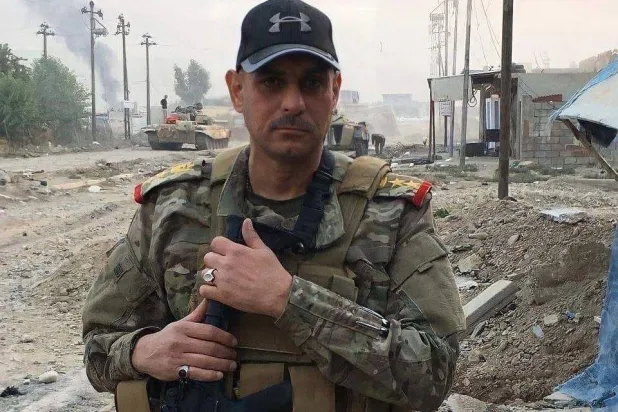
Iraqi Prime Minister Ali al-Zaidi continues restructuring military positions in what is believed to be an attempt to control the security decision in the country, in conjunction with implementing a plan to 'confine weapons'.
Iraqi Prime Minister Ali al-Zaidi continues restructuring military positions as part of what is believed to be an attempt to take hold of the security decision in the country, alongside implementing a plan to 'confine weapons', and amid continued political disagreement over candidates for the portfolios of Interior and Defense.
Many security observers and analysts view the reactivation of the 'Office of the Commander-in-Chief of the Armed Forces' after 12 years of its dissolution as the most prominent measure taken by al-Zaidi in the context of restructuring and command of various security and military ministries and agencies.
On Tuesday, al-Zaidi ordered the reactivation of the 'Office of the Commander-in-Chief of the Armed Forces' and assigned its management to the former Interior Minister, Lieutenant General Abdul Amir al-Shammari.
Prior to that, al-Zaidi had issued another order appointing Lieutenant General Jabbar Naaima as 'Secretary of the Office of the Commander-in-Chief of the Armed Forces'.
The 'Office of the Commander-in-Chief of the Armed Forces' had previously been dissolved and suspended following serious violations that led to the occupation of vast areas in northern and western Iraq by the 'ISIS' organization. Those in charge of the office at the time were accused of negligence in managing the security file.
Military sources told Asharq Al-Awsat that 'the Office of the Commander-in-Chief will operate with broad powers exceeding those of the Joint Operations Command by virtue of its proximity and close connection to the Commander-in-Chief.'
Other sources indicated that the reactivation of the military Commander-in-Chief's office 'is also linked to adapting to the potential continuation of the vacancy in the Interior and Defense ministries for the coming months, and the resulting leadership vacuum amid the need for close follow-up on security and military files.'
The reactivation of this 'office' also aims to ensure the continuity of orders and instructions and the management of various security agencies, in addition to outlining mechanisms for leadership and coordination among them.
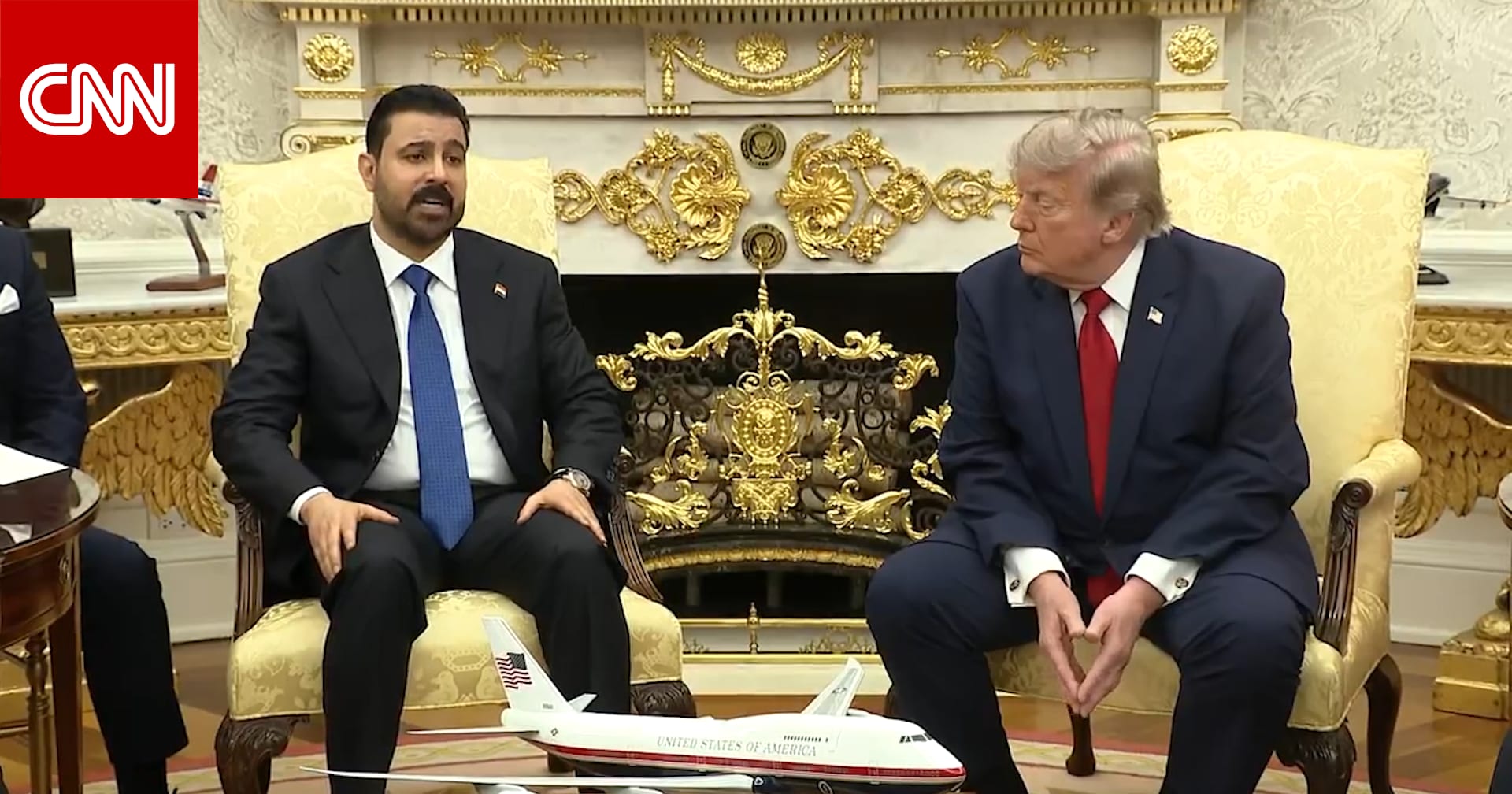
Iraqi Prime Minister Ali al-Zaidi during a meeting with US President Donald Trump at the White House on July 14 (EPA)
Plan to 'Confine Weapons'
Sources do not rule out that confining the weapons of armed factions is a motive behind the decision to restructure security leaderships and institutions, as military sources speak of a 'growing influence' of these factions within security agencies, which could hinder and obstruct the disarmament process given the 'collusion between some security leaders and faction leaders'.
Sources expect that the Commander-in-Chief of the Armed Forces, Ali al-Zaidi, will make further changes in executive and senior leadership positions in security ministries and institutions in the coming days, and sources confirm that the Popular Mobilization Forces (PMF) is among those institutions.
Within the framework of restructuring and new appointments in security institutions, the Commander-in-Chief of the Armed Forces issued an order on Wednesday appointing Lieutenant General Zaid Hoshi as head of the 'Counter-Terrorism Service', succeeding the former commander Lieutenant General Karim al-Tamimi.
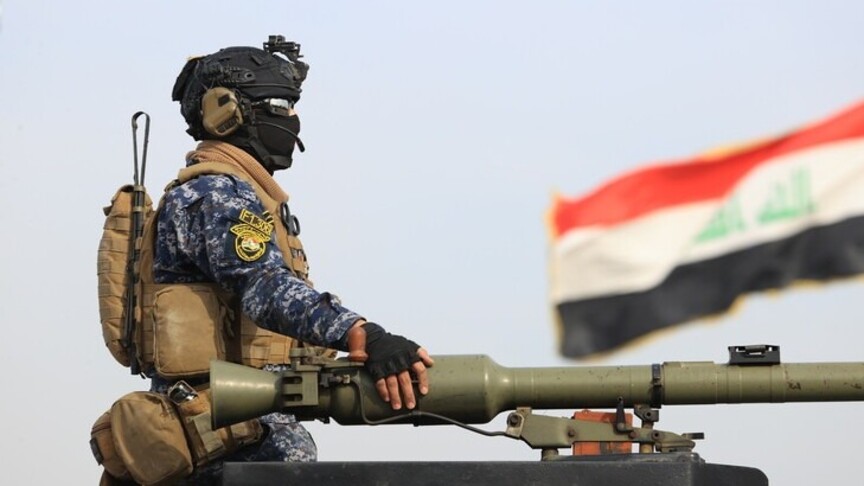
This service is among the highest-equipped and most professional military institutions in the field of counter-terrorism, and was the spearhead in the fight against the 'ISIS' organization. It receives special US attention in terms of equipment and assistance in military hardware. It is also the service that al-Zaidi used two weeks ago in the 'Dawn Strike' operation to arrest and detain a group of parliamentarians and officials involved in corruption suspicions.
Hoshi previously held senior security positions, including Director of Military Intelligence in 2022, as well as Director of Operations at the National Intelligence Service in 2024.
Also, an order was issued appointing Lieutenant General Mohammed Qasim al-Fahd as commander of the Federal Police forces, and also appointing Brigadier General Jaafar Abdul Amir Hussein as commander of the Special Division.
Original source: Asharq Al-Awsat

Comments (0)
Be the first to comment.