Iraq Refuses to Discuss Arms Control in ‘Other Capitals’
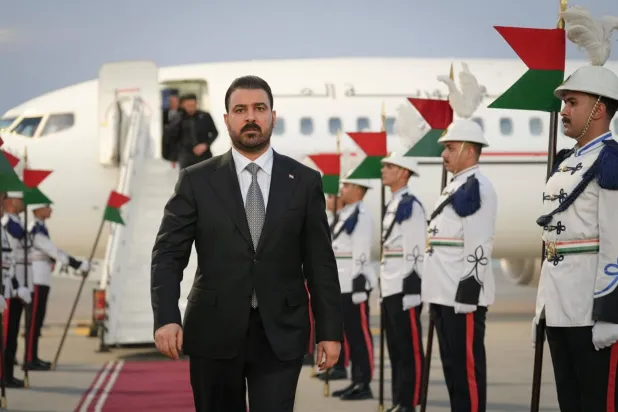
Iraqi Prime Minister Ali Al-Zaidi will head to Tehran on Thursday for talks with senior Iranian officials focusing on energy, trade, transport, and agriculture...
Iraqi Prime Minister Ali Al-Zaidi will head to the Iranian capital Tehran on Thursday on an official visit at the head of a high-level government delegation to hold talks with senior Iranian officials, focusing on energy, trade, transport, and agriculture, while the Iraqi government confirmed that the issue of ‘monopolizing weapons in the hands of the state’ will not be on the visit's agenda, stressing that it is an ‘Iraqi sovereign matter.’
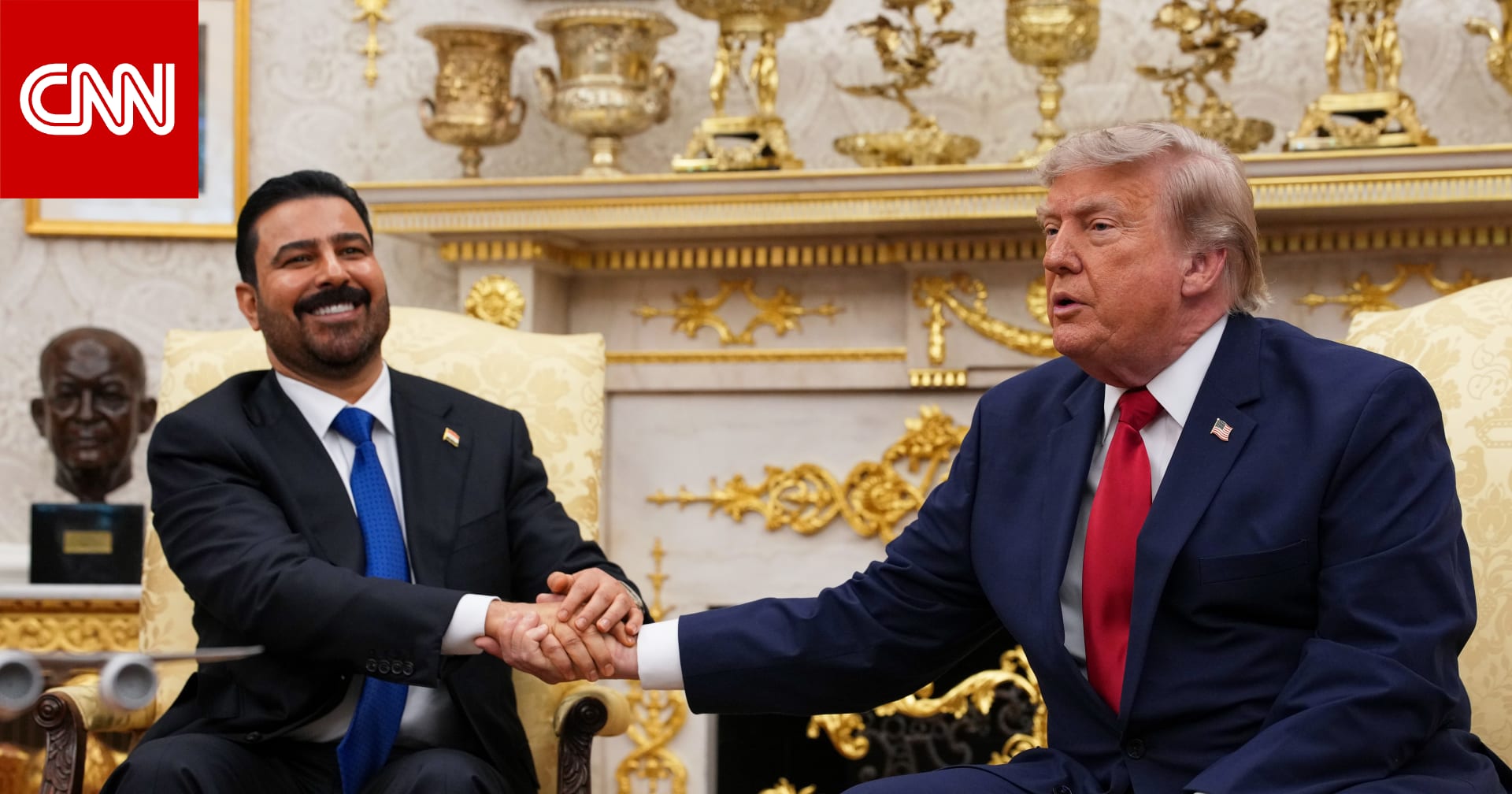
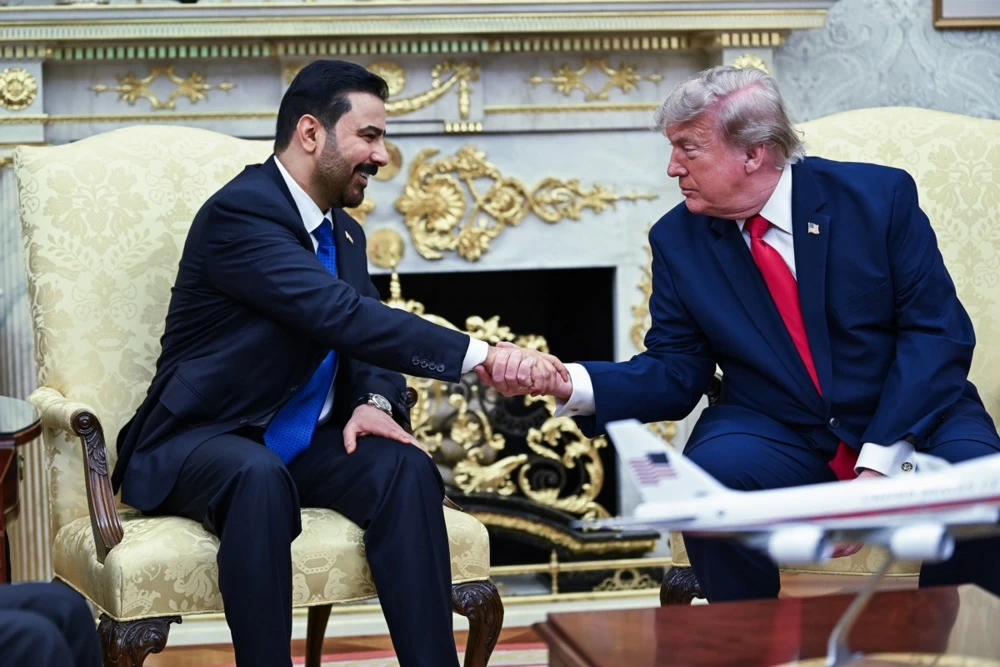
The visit comes less than a week after Al-Zaidi's visit to the United States, as part of diplomatic moves by Baghdad with its regional and international partners, at a time when the Iraqi government is trying to maintain a balance in its relations with both Washington and Tehran amid rising regional tensions.
Prime Minister Ali Falih Al-Zaidi received on Monday the Ambassador of the Islamic Republic of Iran to Iraq, Mohammad Kazem Al-Sadeq. During the meeting, they discussed developing bilateral relations between the two countries and ways to enhance joint cooperation in various fields to serve the mutual interests of the two peoples... pic.twitter.com/mYfUcST3LC
— Prime Minister's Media Office (@IraqiPMO) July 20, 2026
Government spokesman Haydar al-Abboudi said in a press conference on Wednesday that the visit comes in response to an official invitation from the Iranian president, and that Al-Zaidi will be accompanied by a high-level delegation for bilateral talks covering energy, trade, transport, and agriculture, adding that the gas file will also be on the table according to what Iraqi interests require.
Al-Abboudi did not indicate any security or military files on the visit's agenda, but directly stressed that ‘arms control is an Iraqi sovereign matter not discussed in other capitals,’ adding that this file represents a ‘national decision’ that falls within the priorities of the prime minister's government program.
Local reports, citing what they described as informed sources, had mentioned that Al-Zaidi might ask the Iranian side to pressure armed factions to hand over rockets and drones and end what the government describes as the ‘runaway weapons file’ before the deadline set by Baghdad at the end of next September.
However, the government's statements on Wednesday ruled out including this file in the talks with Iranian officials, as al-Abboudi affirmed that the issue of ‘arms control’ remains an internal Iraqi matter not subject to discussion with any country.
The file of ‘monopolizing weapons in the hands of the state’ is one of the most prominent pledges made by Al-Zaidi's government since its formation; Baghdad asserts that its goal is to subject all weapons to the authority of the state and its official institutions, while calling for addressing this file through legal frameworks and dialogue to preserve internal stability.
Experts' expectations
Nevertheless, observers doubt the government's ability to monopolize the factions' weapons. Researcher Saif al-Saadi told Asharq Al-Awsat that ‘some factions' agreement to arms control is a temporary tactic to avoid confrontation with the US administration,’ adding that ‘arms control is not achieved by a mere announcement by this or that faction; it requires controlling and confiscating weapons, then restructuring brigades and regiments so they do not remain a single entity.’
For his part, academic Abbas Abboud told Asharq Al-Awsat that ‘it is difficult to expect armed clashes between the state and factions to dismantle the weapons system,’ noting that the government would maintain ‘dialogue as a possible means of arms control.’
Iraqi Prime Minister Ali Al-Zaidi (right) receives Iranian President Masoud Pezeshkian in Najaf on July 7, 2026 (Government Media Office)
In a related context, the government spokesman said that Iraq, in its external moves, carries an initiative based on diplomatic solutions to deal with the accelerating developments in the region as the war between the United States and Iran expands again.
Highlights of Prime Minister Ali Falih Al-Zaidi's remarks in his interview with the American magazine The Atlantic: The relationship with the United States should shift from a military nature to an economic partnership. The economy is what builds ties between peoples, not presence... pic.twitter.com/NrYGLLMjcU
— Prime Minister's Media Office (@IraqiPMO) July 22, 2026
Al-Zaidi had revealed in an interview with The Atlantic magazine that he proposed to US President Donald Trump to postpone his retaliation against Iran in response to the killing of American soldiers in Iraq and Jordan.
In recent months, Baghdad has sought to establish a policy based on keeping Iraq out of regional conflicts, leveraging its relations with competing parties in the region, while affirming that Iraq's stability requires reducing regional tensions and not turning its territory into a arena for settling scores, and that ‘negotiations are the most appropriate way to address the dangerous repercussions on the region and the world.’
Original source: Asharq Al-Awsat
Comments (0)
Be the first to comment.