UAE: Two Iranian Missiles Target Two Tankers in 'Hormuz'
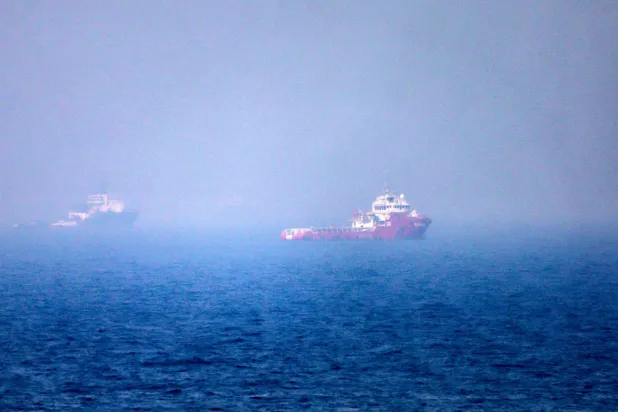
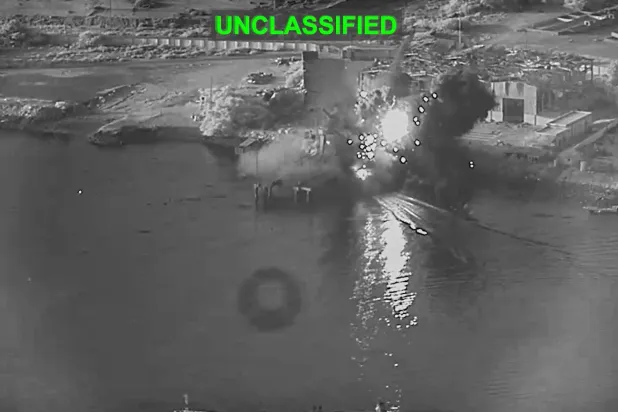
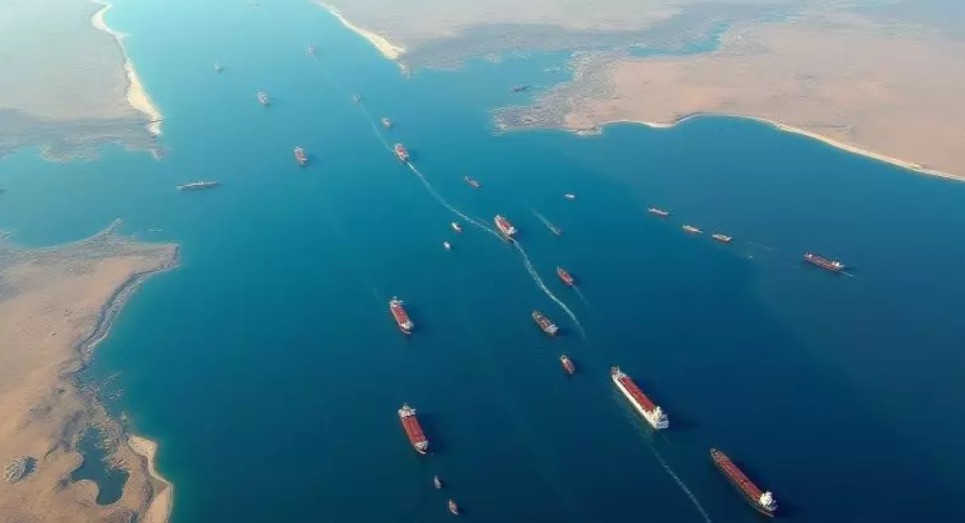
The UAE Ministry of Defense announced that the two national tankers 'Mombasa' and 'Al Bahia' were targeted by two Iranian missiles in the southern corridor of the Strait of Hormuz in Omani territorial waters.
GCC Secretary General Jassim Al-Budaiwi stressed on Monday that the unprecedented escalation in the region necessitates concerted regional and international efforts to support security and stability, proposing six priorities to advance relations with Europe toward an integrated partnership.
These remarks come amid rising geopolitical tensions and their repercussions on the global economy.
This came during his participation in the 'Regional Security Forum' in the Belgian capital Brussels, which discussed enhancing security and strategic cooperation between the Gulf states and the European Union, and efforts to establish the foundations of international peace and security.
The forum was attended on behalf of Saudi Foreign Minister Prince Faisal bin Farhan by his deputy, Engineer Waleed Al-Khuraiji, in the presence of Dr. Abdullatif Al-Zayani, Bahrain's Foreign Minister – current president of the GCC Ministerial Council – and Kaja Kallas, the European Union's High Representative for Foreign Affairs and Security Policy and Vice-President of the European Commission.
Engineer Waleed Al-Khuraiji shaking hands with Kaja Kallas during his attendance at the Regional Security Forum in Brussels (Saudi Foreign Ministry)
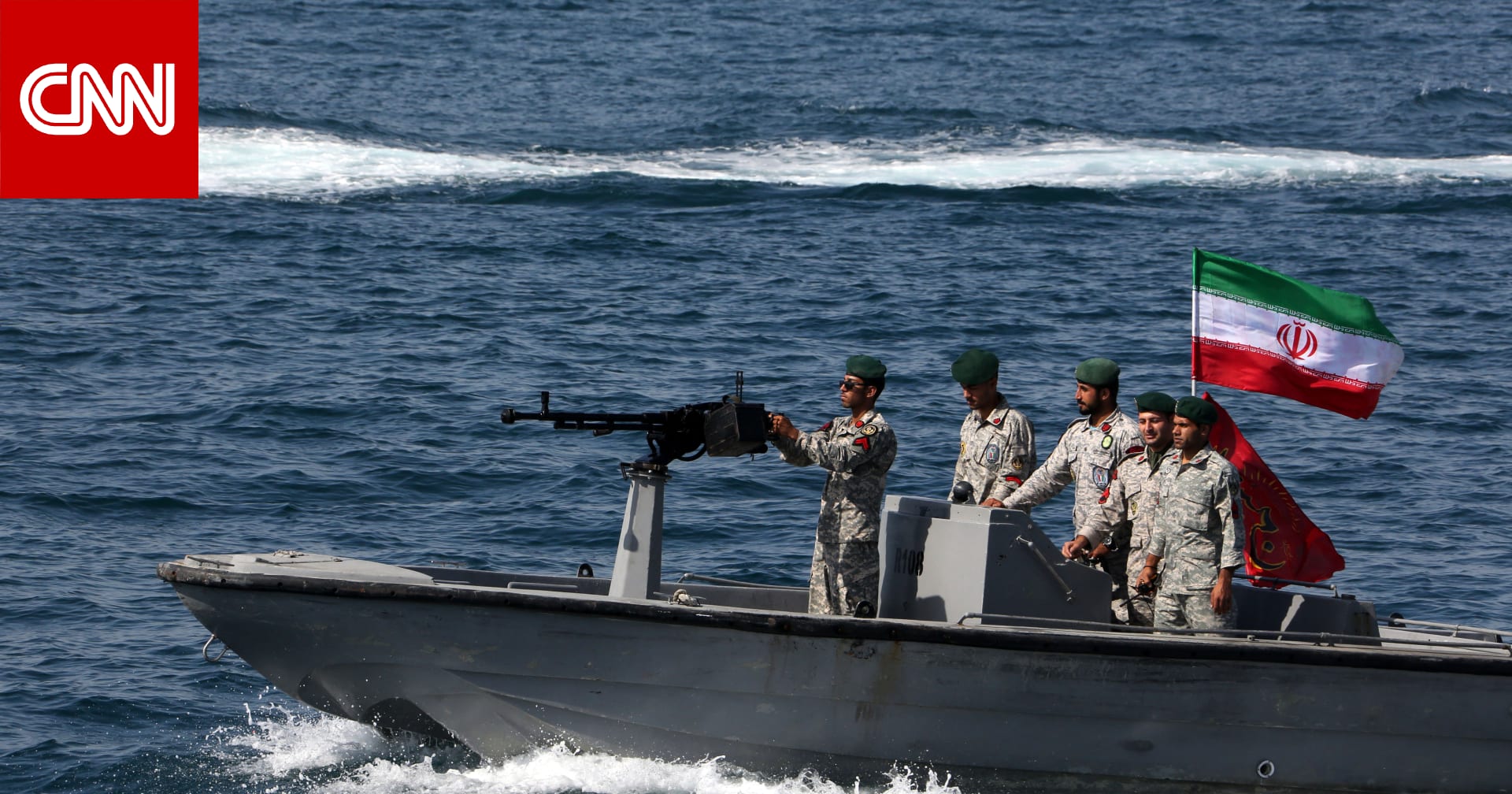
During his speech, Al-Budaiwi stressed the utmost importance of the forum's convening at a time when Iran continues to choose escalation over diplomacy and dialogue, affirming that the Gulf states support the path of dialogue and diplomacy and look forward to discussing with the European side how to engage in sincere consultation and close coordination in dealing with Iran's dangerous behavior towards the region.
The GCC Secretary General pointed out that the time has come for the strategic Gulf-European partnership to take a new path, based on the foundation laid in 1988, especially given the challenges of recent months.
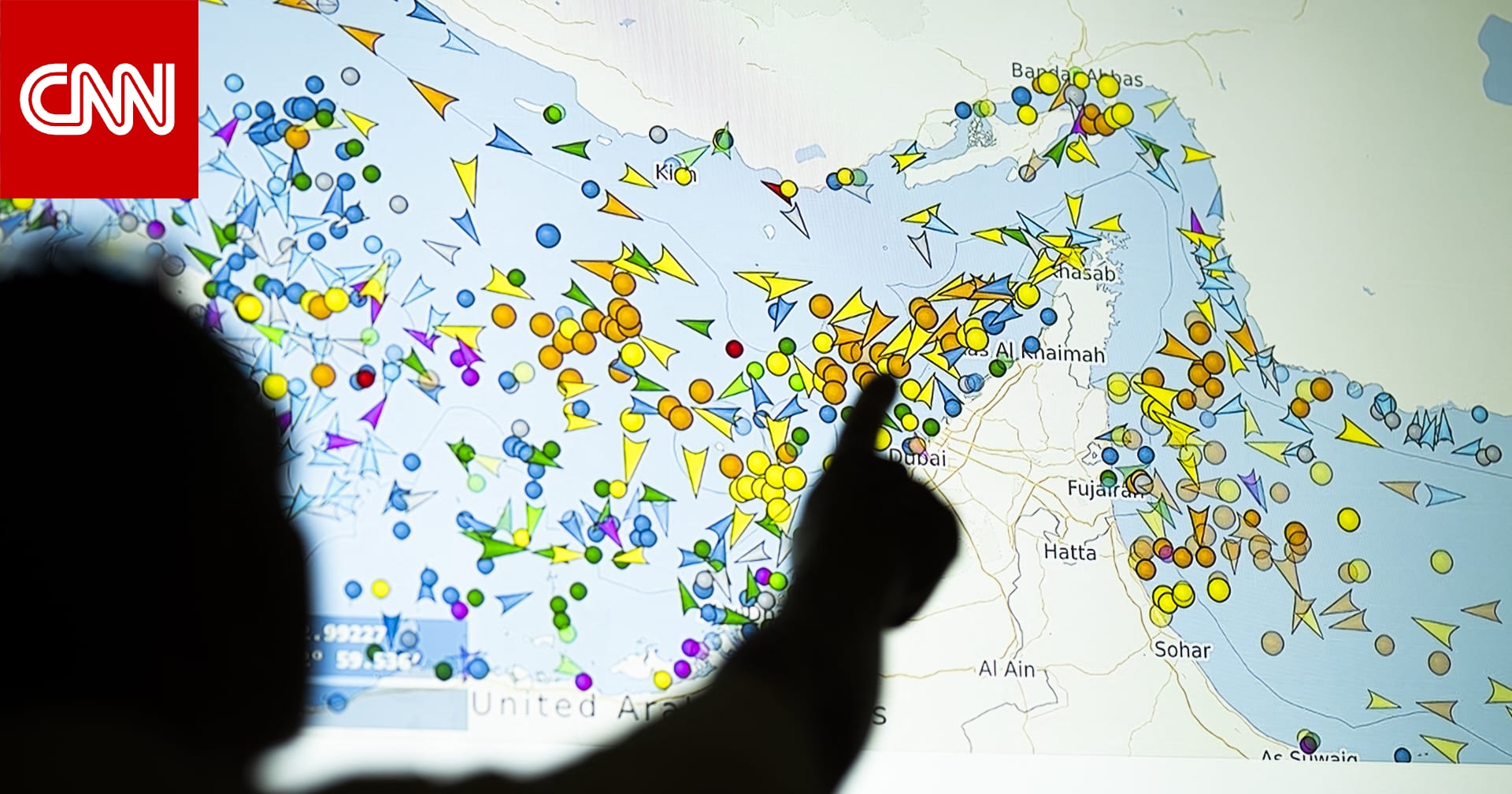
Al-Budaiwi explained that Iranian attacks on Gulf oil facilities and the closure of the Strait of Hormuz caused a global recession, as the International Monetary Fund lowered its global growth forecast for 2026 to 3.1 percent.
He added that the fund attributed the reduction to the war and disruption in the Strait of Hormuz, through which about a fifth of global oil supplies pass, and its repercussions extended to Europe, which experienced a second energy shock in four years.
The Regional Security Forum discussed enhancing security and strategic cooperation between the Gulf states and the European Union (Saudi Foreign Ministry)
Al-Budaiwi explained that this regional shock turned into a global shock, impacting the economies of the Gulf and Europe, stressing that the new threats generated by the war necessitate re-strengthening the relationship between the two sides, enabling a joint rather than unilateral response.
The Secretary General proposed six priorities to enhance Gulf-European relations: coordinated political and diplomatic work; cooperation in the fields of 'regional security and energy'; connectivity by accelerating work on trade corridors and alternative routes; drawing lessons from the current crisis; and people-to-people communication while accelerating the visa-free travel process as a practical basis for communication.
Al-Budaiwi concluded his speech by noting that the partnership with Europe must extend beyond security towards genuine integration, 'a partnership that makes our peoples safer and our economies more resilient and stable.'
Al-Budaiwi's call for a deeper Gulf-European partnership underscores the need to address common security and economic challenges. It highlights the importance of coordination in dealing with Iranian behavior, especially with continued threats to navigation in the Strait of Hormuz. Collective action between the two sides remains necessary to avoid repeating the energy shocks that hit Europe and the region.
Original source: Asharq Al-Awsat
Comments (0)
Be the first to comment.