Channel 12: Washington Freezes Evacuation of Its Aircraft from Ben Gurion Airport
Amid a new wave of military escalation between Washington and Iran, an Israeli official warns of a shortage of civilian aircraft parking spaces and losses that could reach 50,000 tickets per month...
Jerusalem / Anadolu
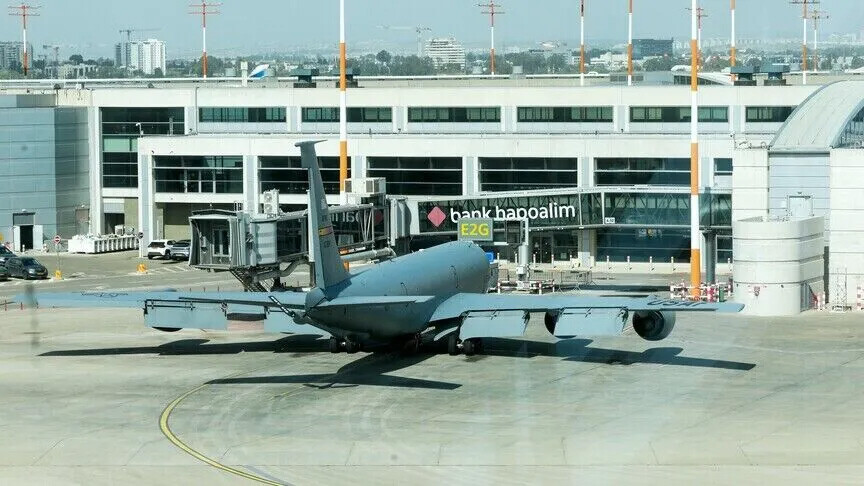
The Israeli Channel 12 reported on Tuesday that the US military decided to freeze plans to evacuate military refueling aircraft stationed at Ben Gurion Airport near Tel Aviv, a move that surprised Israeli officials and sparked warnings of a crisis in civilian air traffic.
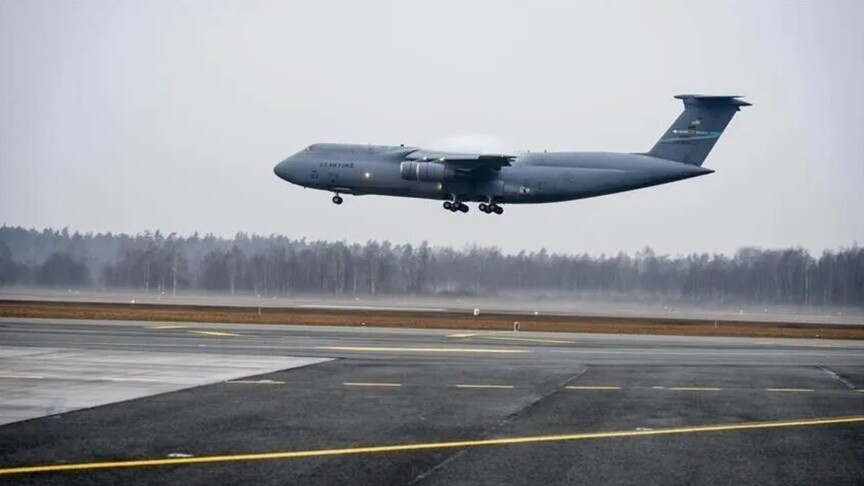
This decision comes after Israeli reports in recent days indicated a trend to evacuate dozens of US military aircraft stationed at the airport, following the US-Iran memorandum of understanding.
The channel said the US military decided to freeze the evacuation of US refueling aircraft from Ben Gurion Airport.
It added that the aircraft have not been evacuated from the airport yet, but rather 4 additional aircraft have been deployed, according to a message sent by the Director General of the Israel Airports Authority, Sharon Kedmi, to officials in the Ministry of Transport.
Kedmi warned, according to the channel, that the continued presence of US military aircraft could lead to a significant shortage of civilian aircraft parking spaces at Ben Gurion Airport starting July 23.
He added that this could force the Airports Authority to cancel about 10 flights daily, meaning a loss of about 50,000 airline tickets per month, 'with the resulting repercussions on passengers, airlines, economic activity, and the reputation of Israel and Ben Gurion Airport as a reliable aviation destination.'
Kedmi called for urgent action 'to continue implementing the agreed plan and complete the evacuation of the aircraft according to the commitments given, to prevent the serious operational and public consequences expected in the coming days.'
He warned that failure to evacuate aircraft parking spaces for civilian aviation will force the authority to take extensive operational measures, including flight cancellations.
These developments come at a time when Israel is in a state of high security alert, amid the mutual escalation between Washington and Tehran.
The US military aircraft had used Ben Gurion Airport as a base for refueling, which observers considered part of US military preparations in the region in recent weeks.
For days, the United States has been launching attacks on Iran, claiming retaliation for Tehran's targeting of commercial ships in the Strait of Hormuz.
Tehran responds by bombing what it says are US military facilities in Arab countries, while some of those countries have announced that Iranian attacks resulted in civilian casualties and damaged civilian infrastructure.
This escalation marks a departure from the path of de-escalation the region witnessed in June 2026, when the two parties signed a memorandum of understanding for a ceasefire under Qatari and Pakistani mediation, as a first step towards a final agreement to end the war.
However, these efforts faltered on July 8 of this month, when US President Donald Trump officially declared the end of the ceasefire, returning the region to the cycle of direct confrontation.
Original source: Anadolu Agency



Comments (0)
Be the first to comment.