Analysis: Houthi escalation with Saudi Arabia and Gulf states' concern over US-Iran war turning into regional conflict
Analysis by colleague Tim Lister, CNN
(CNN)-- Gulf states are watching with growing concern the renewed escalation of conflict between Iran and the United States.
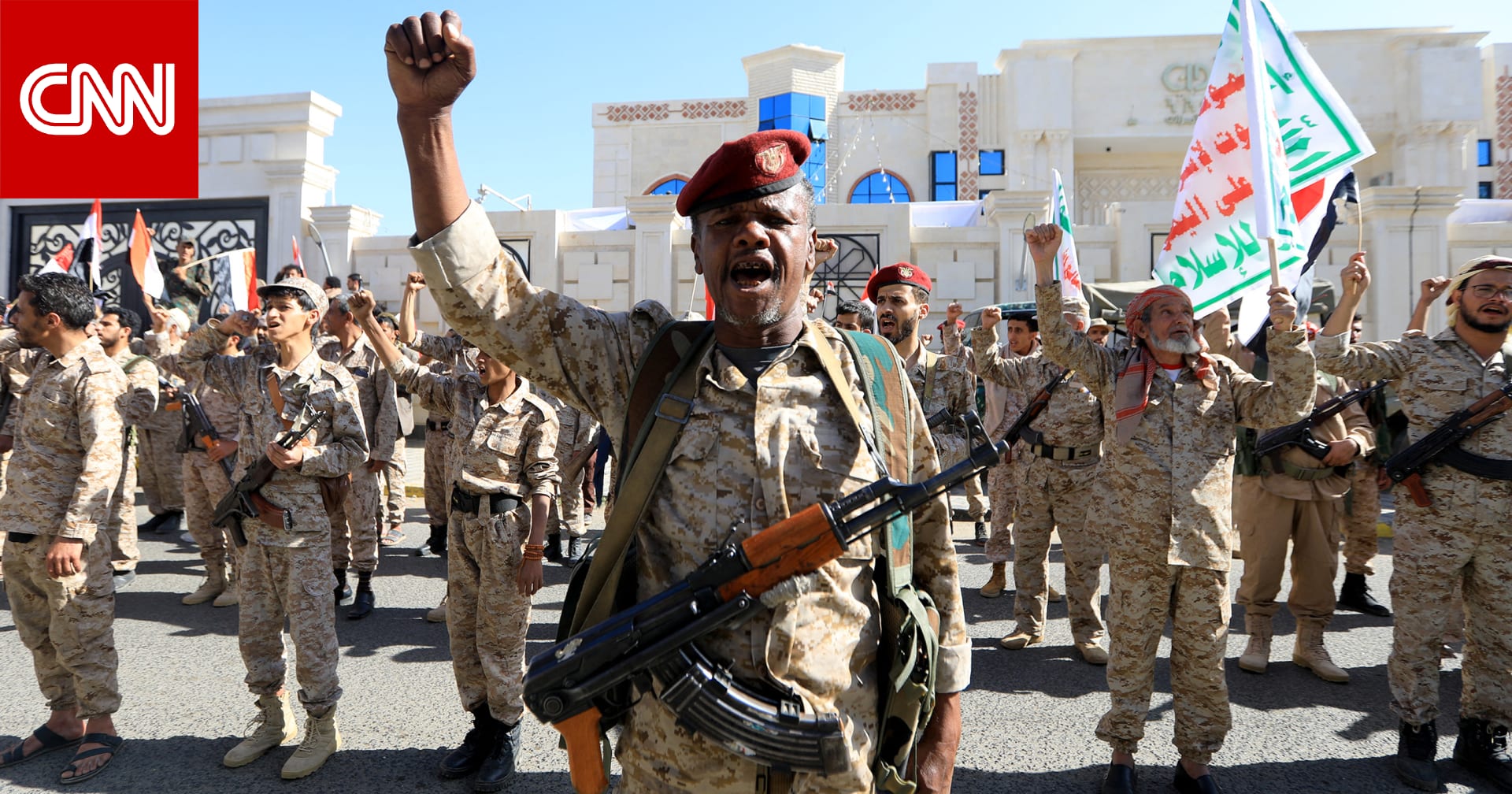
A pattern of strikes and counterstrikes has become entrenched, compounded by rising tensions between Saudi Arabia and the Iran-aligned Houthi group in Yemen, which is determined to break the blockade imposed on it.
The diplomatic path currently appears stalled; pessimism has replaced the optimism that prevailed during the intensive visits of Pakistani and Qatari delegations to Iran seeking to maintain the ceasefire, and it is recalled that Qatar itself was subjected to two attacks during the latest escalation wave.
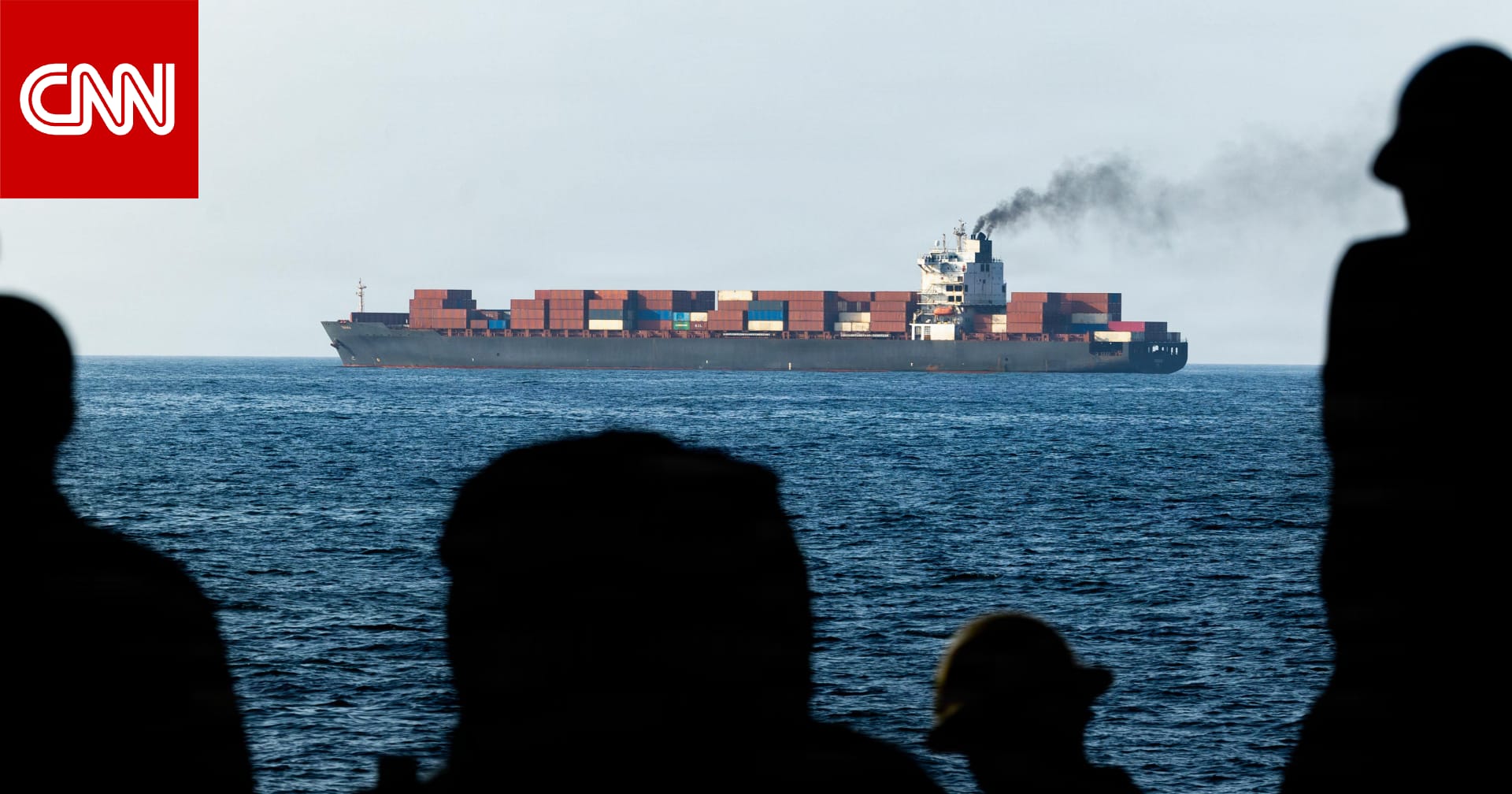
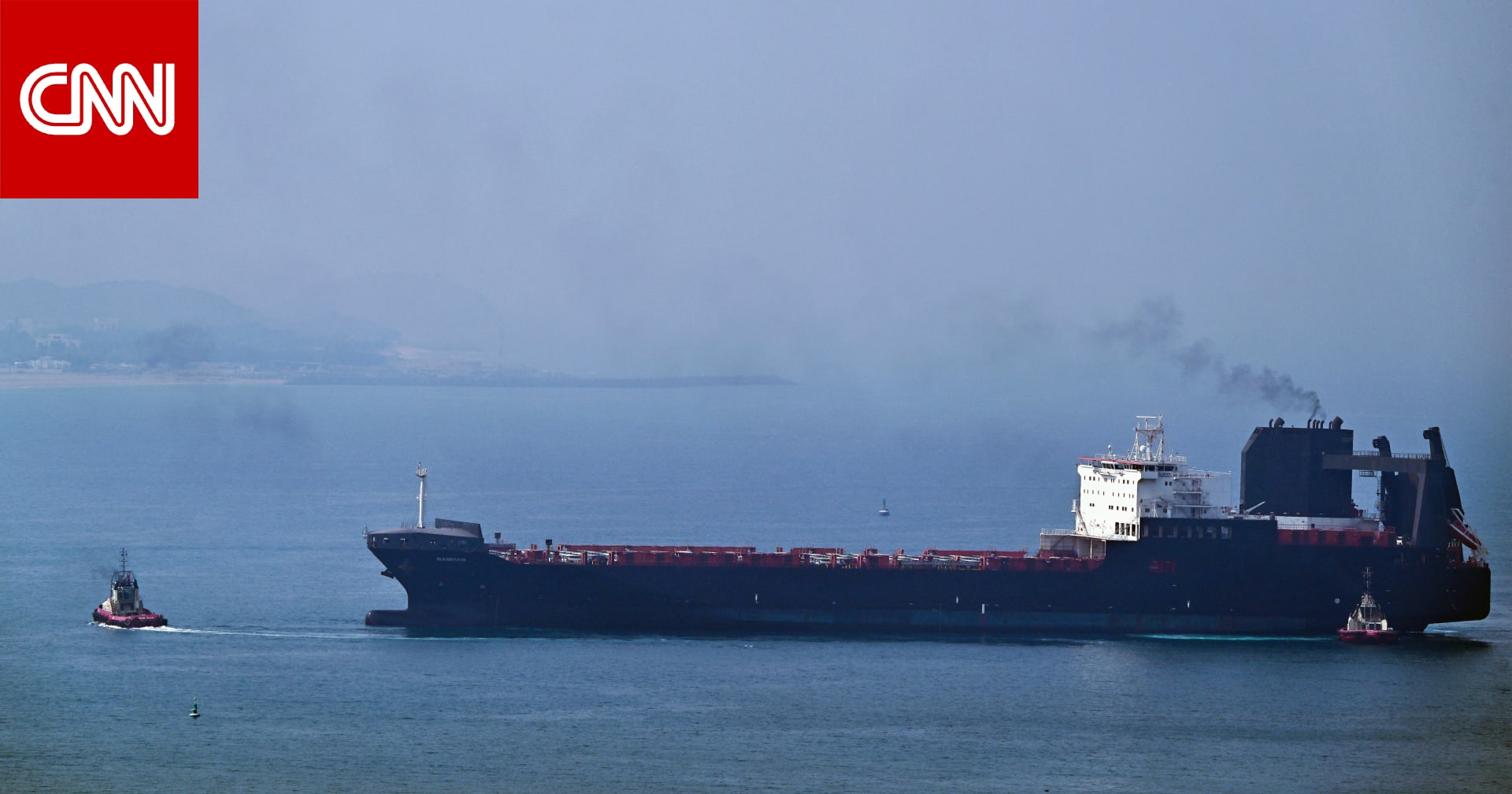
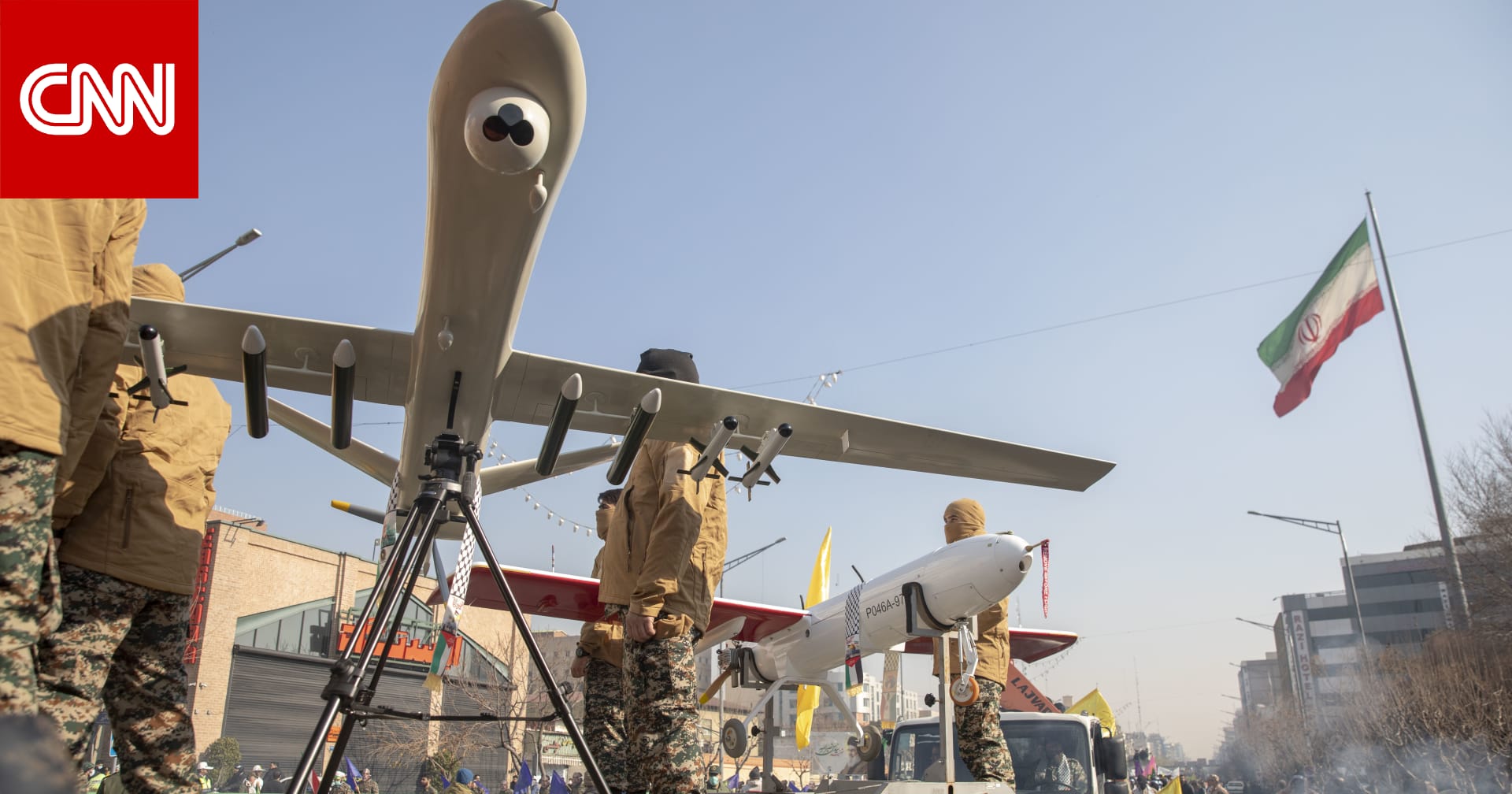
Iranian drones also targeted Oman, just days after negotiations between the two countries on a plan to manage navigation in the strait. Moreover, Iran's Revolutionary Guard launched attacks on ships sailing near Omani coasts, causing navigation in the Strait of Hormuz to decline to near zero.
Iran has long warned of its readiness to intensify strikes against its neighbors that host US military facilities; the semi-official Iranian media outlet Fars published a list of five ports in Bahrain, Saudi Arabia, Kuwait, Qatar, and the UAE, indicating they could become targets if Iranian infrastructure is attacked.
US targeting operations in recent days have included tunnels, roads, bridges, and railway lines - according to Iranian state media - raising fears that the conflict could spiral out of control.
In this context, Israeli analyst Danny Citrinowicz says, 'Every US escalation is met with an Iranian escalation, as each side seeks to establish new deterrence rules with each round of strikes.' And instead of forcing Iran back to the negotiating table, Citrinowicz noted in a post on X (formerly Twitter) yesterday that 'there is an equally likely possibility that the conflict could worsen beyond the intentions of both sides, turning into a broader regional war, with diminishing chances of restoring the diplomatic path.'
Original source: CNN Arabic


Comments (0)
Be the first to comment.