"A Security Loophole Still Exists".. Araghchi Reveals Details of Khamenei's Assassination

Listen to the article: Audio text automatically generated by an automated system
0:00
Two minutes to read
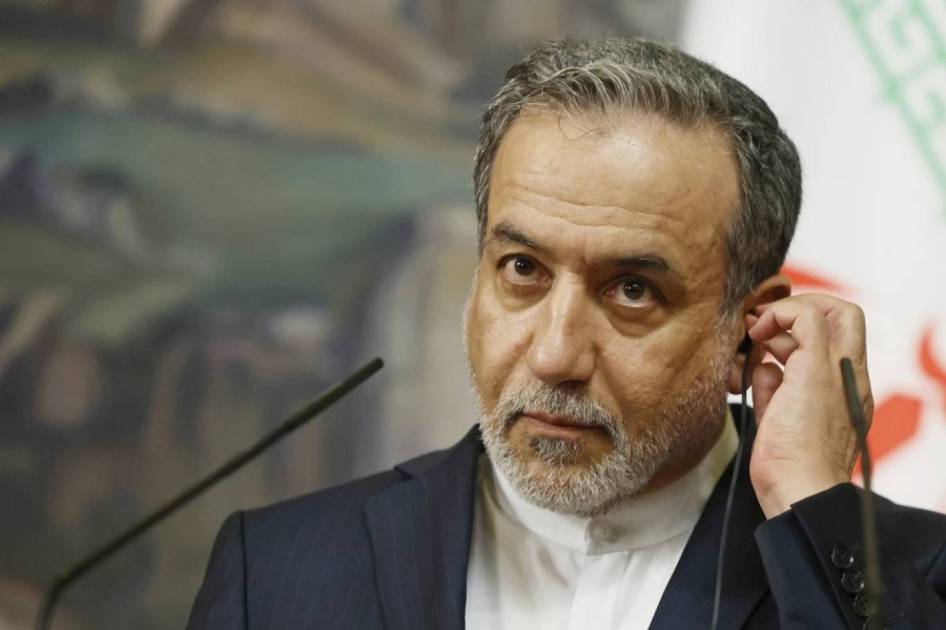
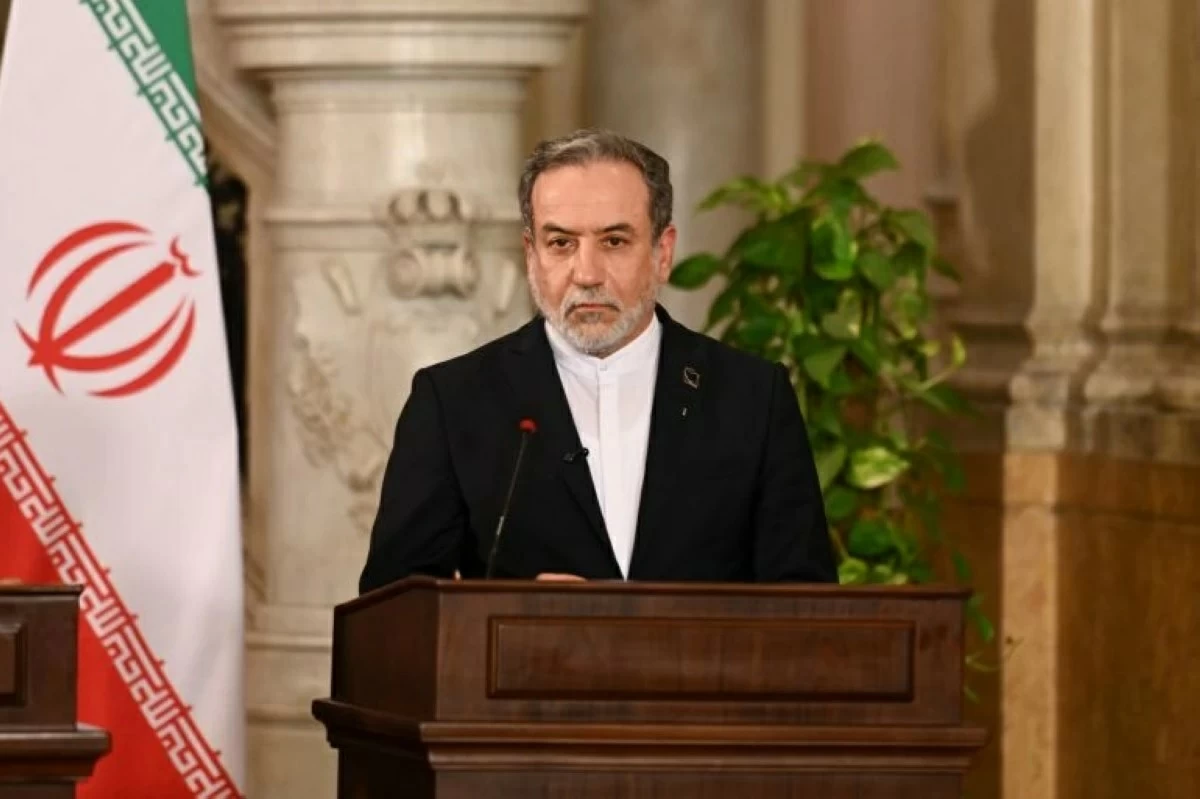
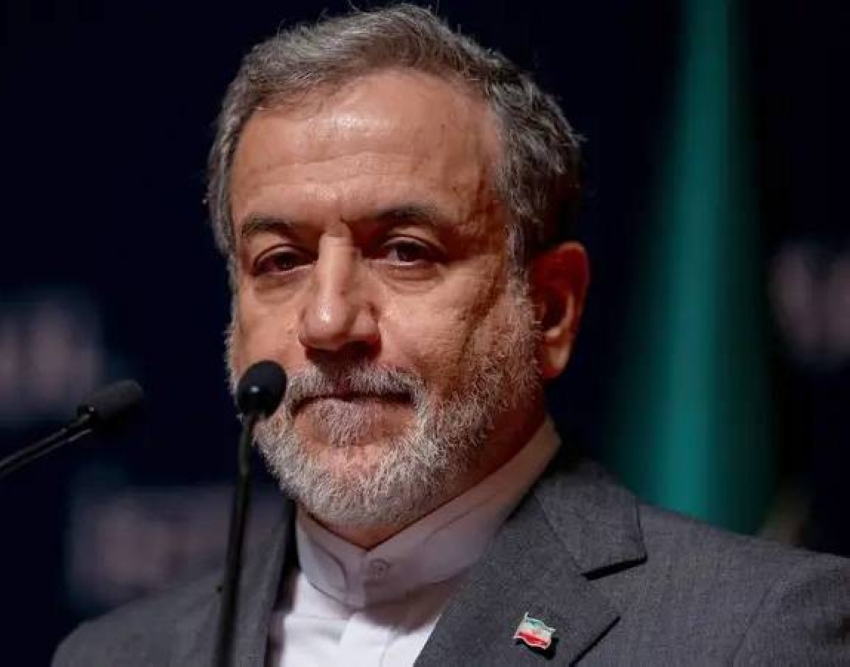
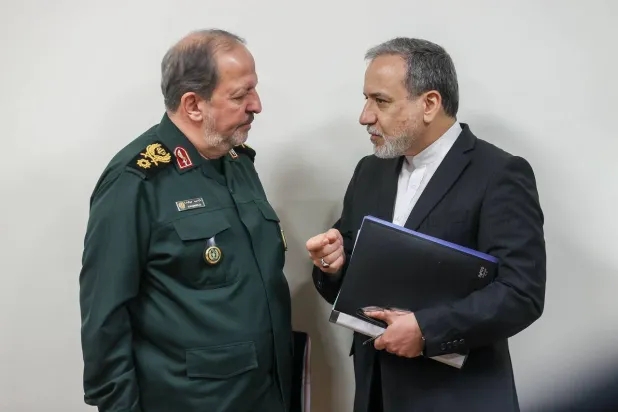
Iranian Foreign Minister Abbas Araghchi confirmed on Sunday that the targeting of the former Supreme Leader Ali Khamenei's headquarters during the recent war was the result of a "security loophole" that still exists, stating that this loophole was not limited to the security aspect but extended to influencing the decision-making process within the country.
Araghchi explained, in an interview with the program "The Story of War" broadcast by Iranian media, that "the bombing of the Supreme Leader's headquarters occurred through a security loophole, and this loophole still exists, and it also affects orientations and decision-making."
He also pointed out that the Iranian authorities developed plans from the first day of the war to deal with various scenarios, stressing that "if the Supreme Leader was targeted, it was decided to close the Strait of Hormuz."
He added that Tehran agreed to resume negotiations with the United States despite its conviction that war would break out again, explaining that the opportunity for negotiations should not be wasted even if its probability is 10%, as war has its costs, according to him.
Araghchi stated that state institutions and the armed forces were certain that the military confrontation would renew, so they did not suspend their preparations based on the outcomes of the negotiating track. He noted that the Iranian military response began only two hours after the outbreak of war, when Khamenei was killed on February 28 last month during a meeting with a number of military officials, and several members of his family were also killed in the opening strikes by the United States and Israel on the capital Tehran.
Modifications to missile launch systems
In a related context, Araghchi revealed that the session of the Supreme National Security Council discussing the approval of the memorandum of understanding with the United States lasted from nine in the evening until three in the morning. The initial ceasefire was accepted in smaller meetings where a session of the Supreme National Security Council could not be held, with the basis for any subsequent negotiations being adherence to the terms of the Iranian proposal consisting of ten items.
Araghchi stressed that the decision to end the war is taken collectively within the Supreme National Security Council and becomes effective after approval by the leadership, considering that stopping the war that lasted 12 days was "the right decision" because it allowed Iran to enhance its military capabilities in the following months.
He added that Iran made modifications to missile launch systems during the eight months between the two wars, making its launch capability more sustainable.
Advertorial
Advertorial
Read also
Science explains the cause of anger and aggression during heat waves: hidden drought increases tension, science
Video: Israeli army announces interception of an Iranian missile heading towards Aqaba in Jordan, said the interception was in coordination with Jordanian forces, Arab and World
Trump calls on Republicans to add Iran to Russia sanctions bill to fulfill the wish of the late Lindsey Graham, America
Original source: Al Arabiya

Comments (0)
Be the first to comment.