Washington expands operations to secure the Hormuz belt… Iran responds with strikes and threatens to prolong the confrontation
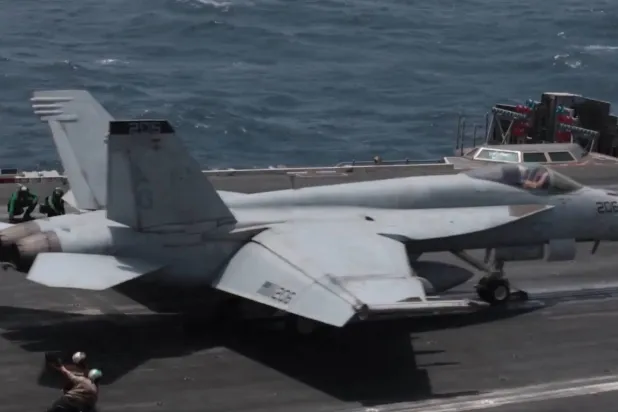
US strikes renewed along Iran's southern coast on Tuesday, as Washington focused its military operations on securing the Strait of Hormuz belt.
US strikes renewed along Iran's southern coast on Tuesday, as Washington focused its military operations on securing the Strait of Hormuz belt, from Bandar Abbas and the islands of Qeshm and Abu Musa to the Gulf of Oman coast, while Tehran responded by launching missiles at neighboring countries, and targeting ships it said had violated the routes designated by Iran.
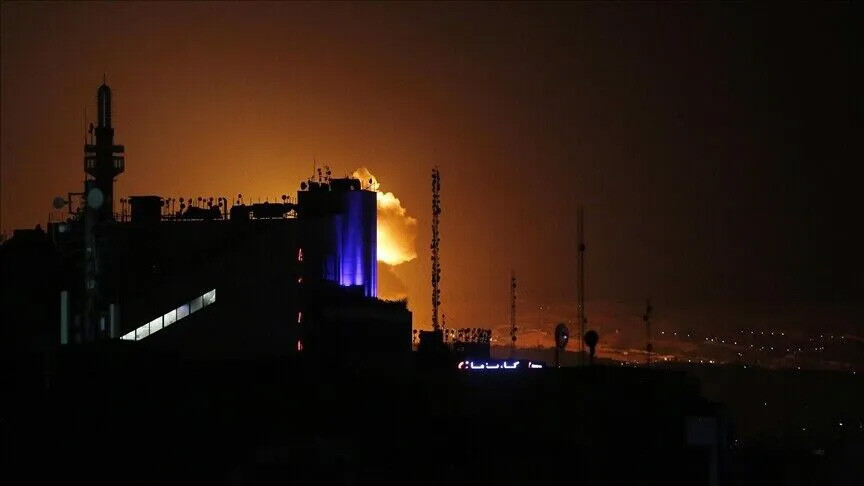
Iranian state television reported Tuesday evening hearing five explosions west of Bandar Abbas, near the Strait of Hormuz, without providing immediate details about the targeted sites or the extent of damage.
The 'Fars' agency, affiliated with the 'Revolutionary Guard', quoted the governor of Hormozgan province as saying a projectile hit an area west of the city, with no casualties.
Authorities in Hormozgan province said the new attacks targeted a number of sites, but did not result in civilian injuries or damage to residential and commercial infrastructure. Iranian media had earlier reported three people killed in the province from US strikes carried out overnight.
Bandar Abbas lies opposite the Strait of Hormuz and houses naval and military facilities and major ports, putting it at the top of the US strikes map since the confrontation over navigation in the strait escalated.
In Bushehr, the Iranian labor news agency ILNA reported hearing several explosions, before the province's deputy for political and security affairs said four sites inside the city were hit by projectiles on Tuesday afternoon.
Bushehr governor Mohammad Mozaffari said the attacks did not result in casualties. The 'Fars' and 'Tasnim' agencies, affiliated with the 'Revolutionary Guard', also reported hearing explosions in Bushehr and the city of Joghadek, though the nature of the targets and extent of damage remain unclear.
Bushehr houses military and oil facilities, as well as Iran's only nuclear power plant, but Iranian reports did not indicate that the nuclear facility was hit in the latest strikes.
Five hours of bombardment
The US Central Command (CENTCOM) had announced the end of the latest wave of strikes at 10:15 PM Eastern Time on July 13, after a five-hour mission.
The command said its forces struck military targets in Bushehr, Chabahar, Jask, Konarak, Abu Musa, and Bandar Abbas, aiming to further reduce Iran's ability to attack commercial vessels.
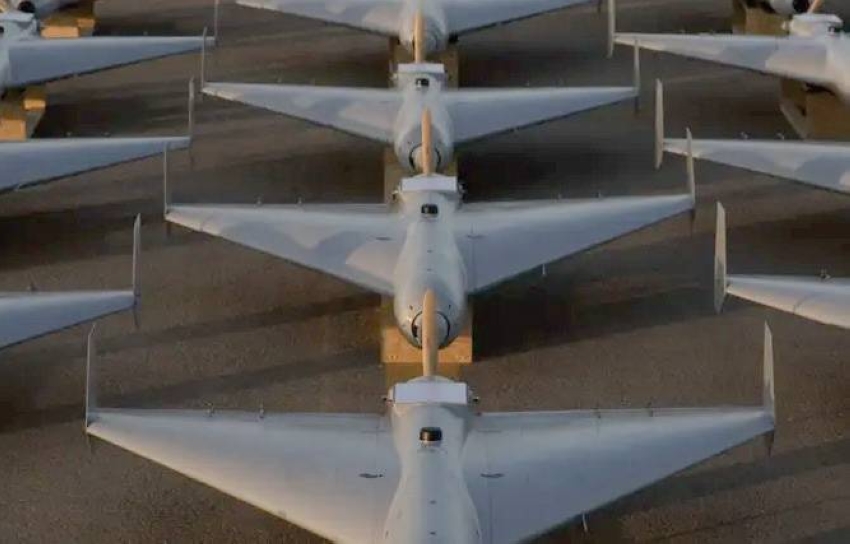
It explained that US forces used precision munitions to strike Iranian coastal defense systems, missile and drone sites, and naval capabilities.
The operation came on the third consecutive night of US strikes. CENTCOM had said at the start of the round that US forces were acting at the direction of President Donald Trump to impose a 'significant cost' on Iranian forces and undermine their ability to attack civilians and commercial vessels in the Strait of Hormuz.
The command announced that more than 50,000 US military personnel are currently deployed across the Middle East, stressing that its forces 'remain vigilant, lethal, and ready'.
The target map reveals that Washington is focusing on sites directly linked to the strait and its approaches. Bandar Abbas, Abu Musa Island, and Jask port lie along the maritime area of the strait, while Konarak and Chabahar house naval bases and facilities on the Sea of Oman, and Bushehr is an important point on Iran's coast in the Arabian Gulf.
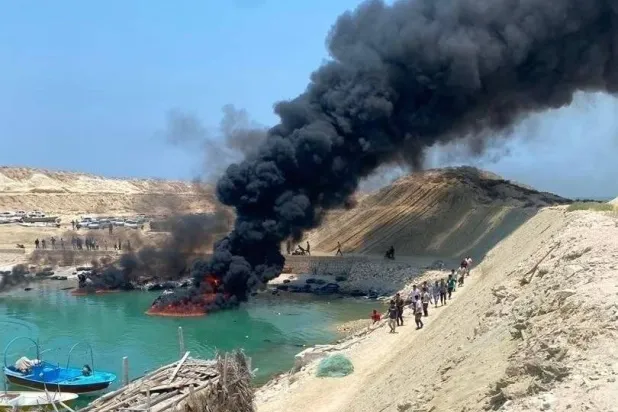
Attack on Kish Island south of Iran on Tuesday dawn (Reuters)
The strikes also included areas further west. In Khuzestan province, Iranian authorities said a site in Abadan was hit by US projectiles at 1:25 PM local time, and a site near Mahshahr was struck five minutes later, causing two powerful explosions.
A local official added that another site in Mahshahr port was targeted at 3:00 AM. Authorities also reported two people killed in an attack on Abadan, while a media outlet close to the 'Revolutionary Guard' said three of its members were killed in an airstrike targeting the city on Monday.
Abadan houses one of the oldest oil refineries in the region, while Mahshahr is a petrochemical hub. Targeting the two cities places the strikes in a broader scope extending from the strait belt to logistics bases for the Revolutionary Guard's naval operations, and the missile unit that also oversees drone capabilities. The strikes in Khuzestan province included the city of Amidieh, which hosts the Iranian Air Force's 5th Base, the closest to Kharg Island, Iran's main oil export terminal.
In other areas, Iranian media reported hearing explosions on Qeshm, Abu Musa, and Kish islands and the Jam region. Iranian reports denied targeting water and electricity facilities on Kish.
Resumption of naval blockade
In parallel with the strikes, CENTCOM announced that US forces would resume, at 4:00 PM Eastern Time, imposing a blockade on shipping entering and leaving Iranian ports.
The command said the blockade will include ships heading to or departing from Iranian ports and coastal areas, while the US military will continue to support the free flow of navigation in territorial waters for ships not violating the blockade.
It explained that the new blockade comes after a first phase from April 13 to June 18, during which US forces redirected more than 140 vessels that complied with instructions, disrupted nine that did not comply, and allowed over 50 commercial ships carrying humanitarian aid to pass.
CENTCOM called on mariners to monitor 'Notices to Mariners' and contact US naval forces via channel 16 when sailing in the Gulf of Oman and areas leading to the Strait of Hormuz.
The US Navy-led Combined Maritime Information Center said the blockade will take effect at 8:00 PM GMT Tuesday, and will include all vessels heading to or departing from the Iranian coast, including ports and oil terminals.
It added that the measure will not impede innocent passage through the strait between non-Iranian destinations, and humanitarian shipments will be allowed passage after inspection.
Confrontation on the southern route
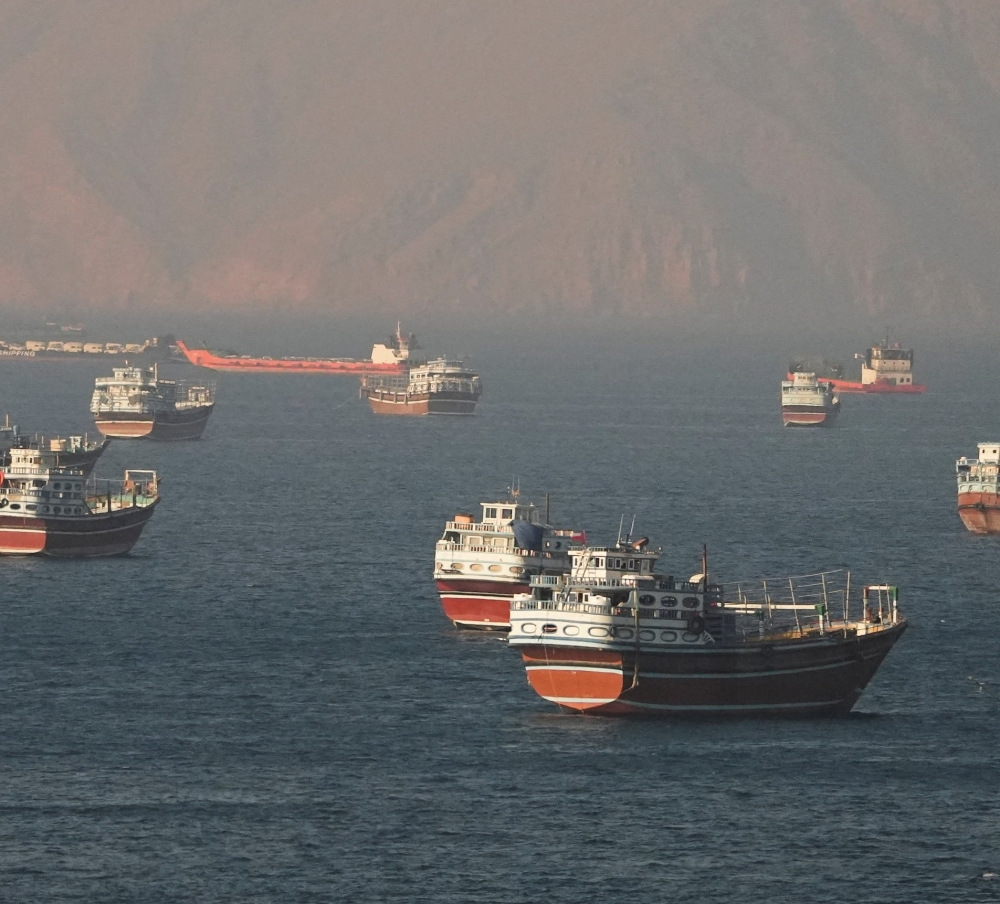
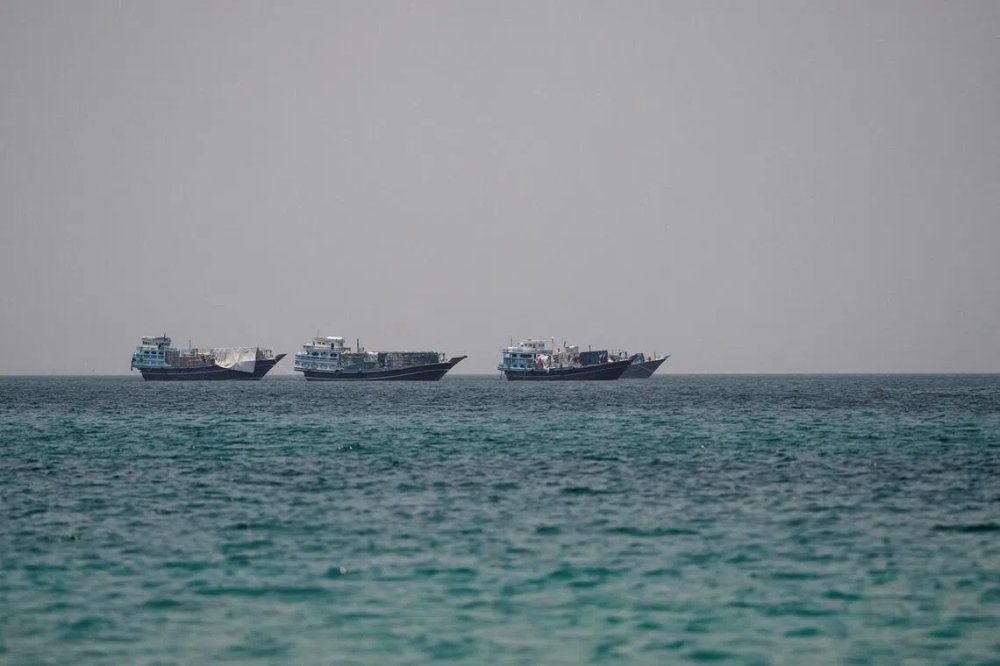
The naval confrontation escalated after the UAE Defense Ministry said two UAE-flagged tankers were hit by Iranian cruise missiles while transiting the southern route of the Strait of Hormuz inside Omani territorial waters.
The ministry announced the death of an Indian sailor and injuries to eight others. It said the attack targeted the tankers 'Mombasa' and 'Al Bahia'.
In a separate incident, the UK Maritime Trade Operations (UKMTO) said an oil tanker was hit by a missile attack 13 nautical miles southeast of Lima in Oman, when it was leaving the Strait of Hormuz via the southern route.
Also, Stolt Tankers announced that its tanker 'Stolt Magnesium' was attacked off the coast of Oman, causing a fire in the engine room, with no crew injuries.
In response, the Revolutionary Guard said two 'violating' supertankers were damaged and disabled after ignoring repeated warnings and turning off navigation systems. It did not name the vessels or confirm they were the two tankers mentioned by the UAE.
Original source: Asharq Al-Awsat
Comments (0)
Be the first to comment.