Oman-Iran Agreement to Continue Hormuz Talks and Reports of a Two-Track Proposal
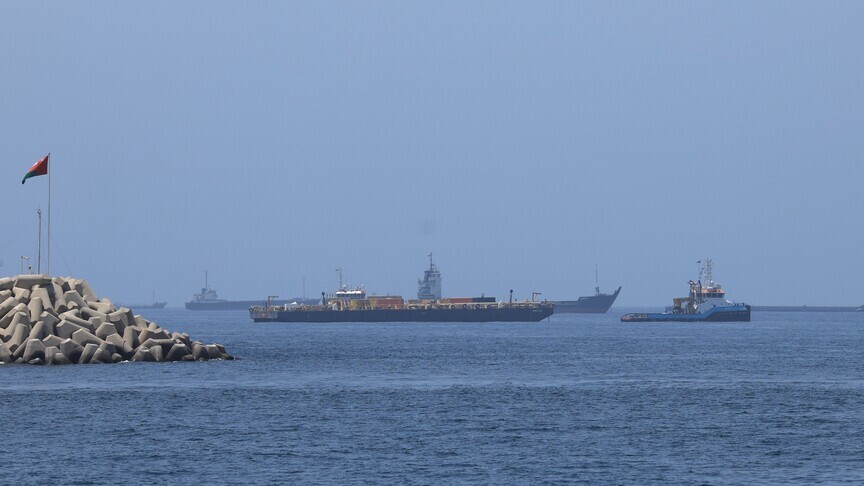
Oman's Foreign Ministry announced the continuation of technical and political discussions, while CNN reported a non-final draft to regulate navigation through two corridors.
Istanbul / Anadolu
Oman and Iran agreed on Saturday to continue technical and political talks on ensuring the safety and freedom of navigation in the Strait of Hormuz, amid reports that Muscat has prepared a proposal to regulate ship passage through two separate corridors with different arrangements.
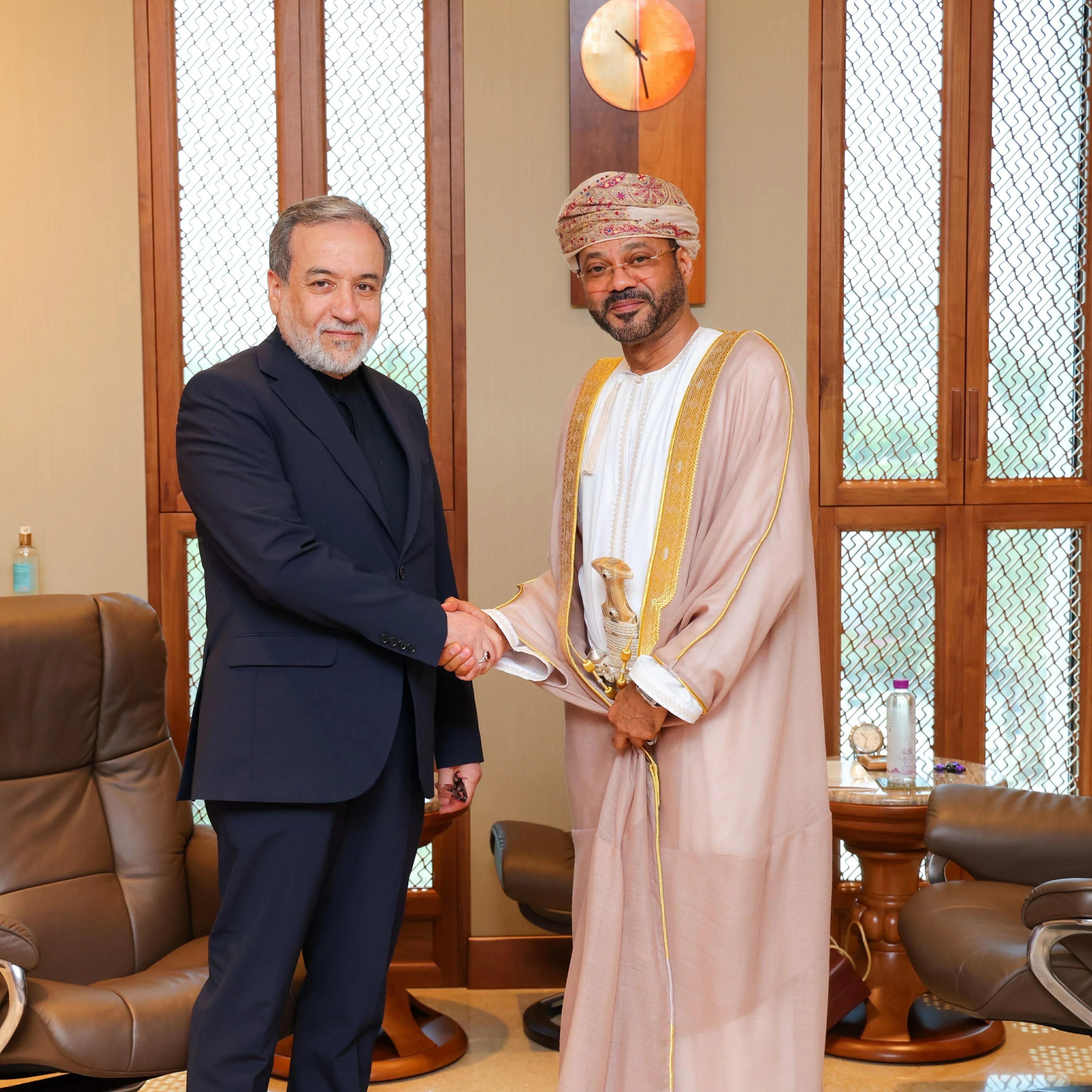
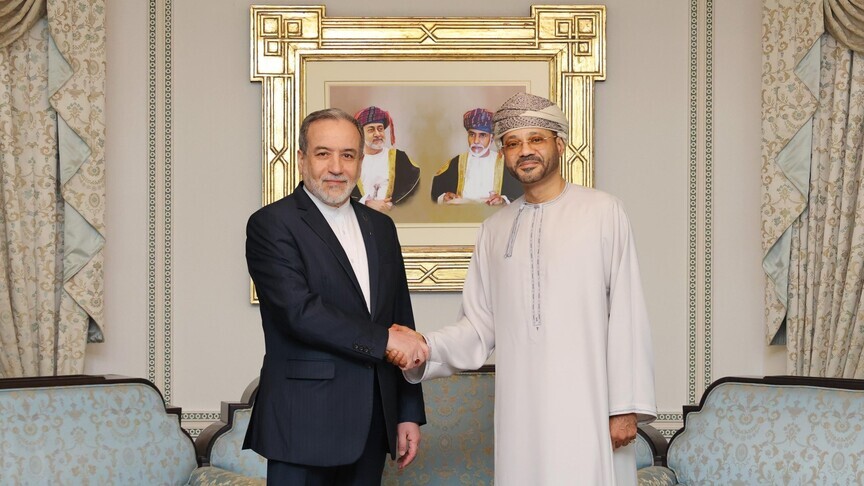
Oman's Foreign Ministry said in a statement that Omani-Iranian talks were held in the capital Muscat, chaired by Omani Foreign Minister Badr al-Busaidi and his Iranian counterpart Abbas Araghchi, who is visiting Muscat.
It added that the talks discussed 'navigation in the Strait of Hormuz and ensuring its safety and freedom in light of the data and repercussions resulting from recent developments.'
The ministry explained that the two sides agreed to 'continue these talks at the technical and political levels, to reach the required understandings in accordance with international law.'
On its part, the official Iranian news agency IRNA reported that Araghchi, who arrived in Muscat on Saturday morning at the head of a political-legal delegation, met with his Omani counterpart and discussed bilateral relations between Tehran and Muscat in various fields, in addition to regional developments, especially the issue of the Strait of Hormuz.
According to the agency, Araghchi and al-Busaidi also exchanged views on appropriate mechanisms to ensure safe passage of ships through the Strait of Hormuz, in accordance with Article Five of the US-Iranian memorandum of understanding.
Article Five of the 'Islamabad Memorandum of Understanding,' signed between the United States and Iran in June 2026, stipulates Iran's commitment to reopen the Strait of Hormuz to ensure safe passage of ships and remove military obstacles.
The details of Article Five and the technical arrangements include Iran's commitment to secure safe passage for commercial ships without fees for 60 days, with a 30-day period to clear the strait of obstacles, and also stipulate an Iranian-Omani dialogue to determine the future management of the strait in accordance with international law.
The text does not include any reference to an American role in organizing safe passage, which Tehran has exploited to justify targeting ships using navigation routes coordinated by Washington.
Neither the Omani statement nor what the Iranian agency reported touched on the existence of a specific proposal for managing navigation or details of the mechanisms being discussed by the two sides.
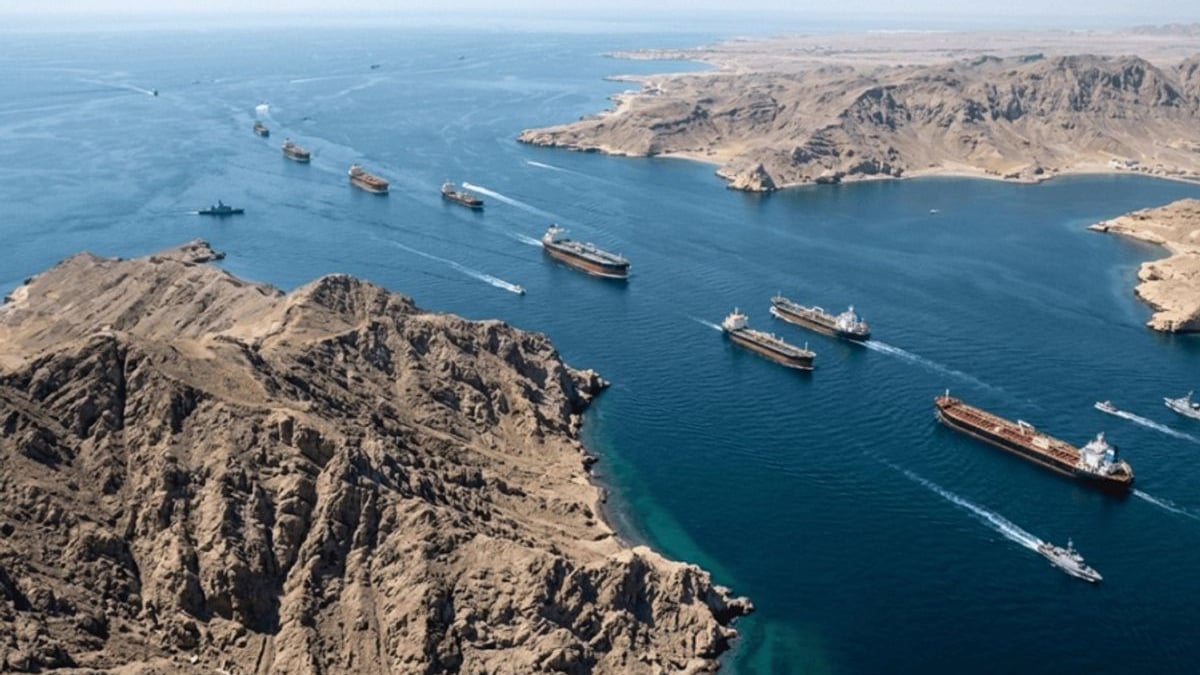
However, the American network CNN reported, citing an unnamed source familiar with the talks, that Oman has prepared a draft proposal to regulate navigation in the Strait of Hormuz through two corridors, each subject to separate arrangements.
The source added that the proposal has not yet been approved in its final form, while no official announcement has been made by Oman or Iran confirming or denying that as of 20:4 GMT.
According to the source, the draft stipulates keeping the two navigation corridors in the strait open for ship traffic.
It provides for freedom of navigation in the southern corridor, which passes through Omani territorial waters, according to the arrangements that were in place before the outbreak of the war.
As for ships crossing the northern corridor, located within Iranian territorial waters, they will need prior approval from Tehran, without imposing fees on them, according to the same source.
Araghchi arrived in Muscat on Saturday, where he discussed with al-Busaidi mechanisms to ensure safe passage of ships in the strait, along with regional developments and bilateral relations.
The talks come after the United States demanded on Friday that Iran provide a public pledge not to target ships in the Strait of Hormuz and to keep all its sea lanes open to commercial navigation, according to US media quoting unnamed officials.
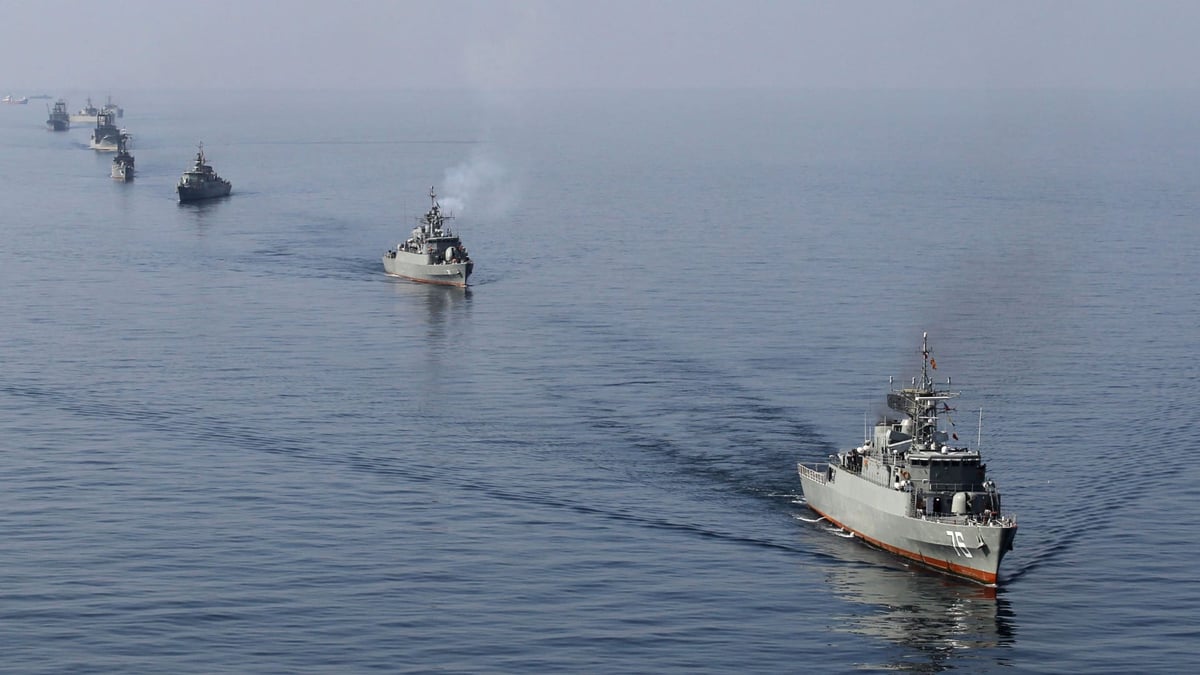
The Strait of Hormuz region is witnessing security tensions against the backdrop of the war launched by the United States and Israel against Iran on February 28, 2026.
Iran insists on the need for coordination with it before ships cross the corridor located within its territorial waters in the strait, which is one of the most important global passages for energy supplies.
On Friday, US President Donald Trump claimed that Iran requested the resumption of talks with the United States, and that Washington agreed, while announcing the end of the ceasefire between the two sides.
These developments come amid rising tensions between the two sides, as the US Central Command (CENTCOM) announced on Thursday morning the execution of new strikes targeting about 90 Iranian military sites, including air defense systems, missile and drone storage sites, naval capabilities, and logistical infrastructure on the Iranian coast.
In response, Iran's Revolutionary Guard announced targeting US military bases in Kuwait, Bahrain, and Jordan, warning of expanding the scope of its attacks if US strikes continue.
Washington and Tehran signed a memorandum of understanding on June 18 last year, following negotiations mediated by Qatar and Pakistan, in preparation for reaching a final agreement.
Original source: Anadolu Agency


Comments (0)
Be the first to comment.