Iranian Foreign Minister and Omani Counterpart Discuss Strait of Hormuz Issue
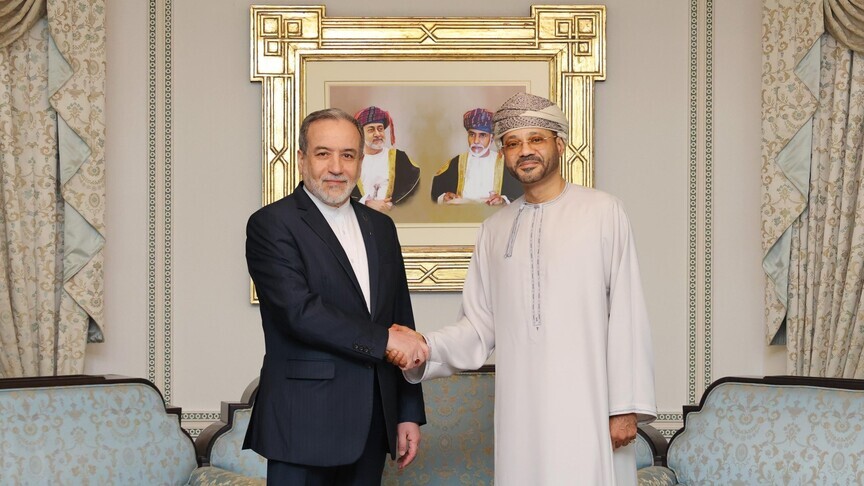
Omani foreign ministry said the two sides agreed to 'continue these discussions at the technical and political levels to reach the required understandings in accordance with international law'
Ankara / Anadolu Agency
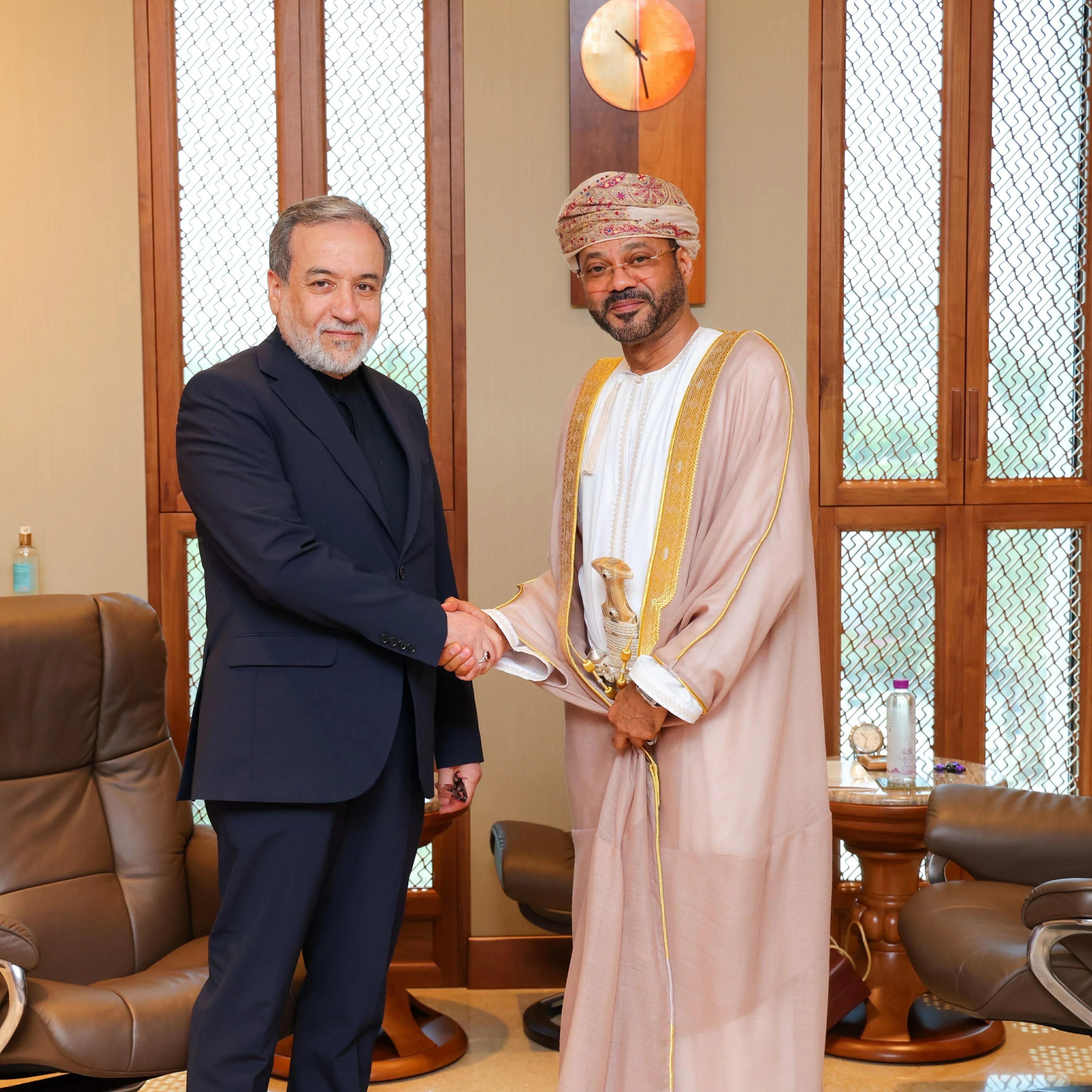
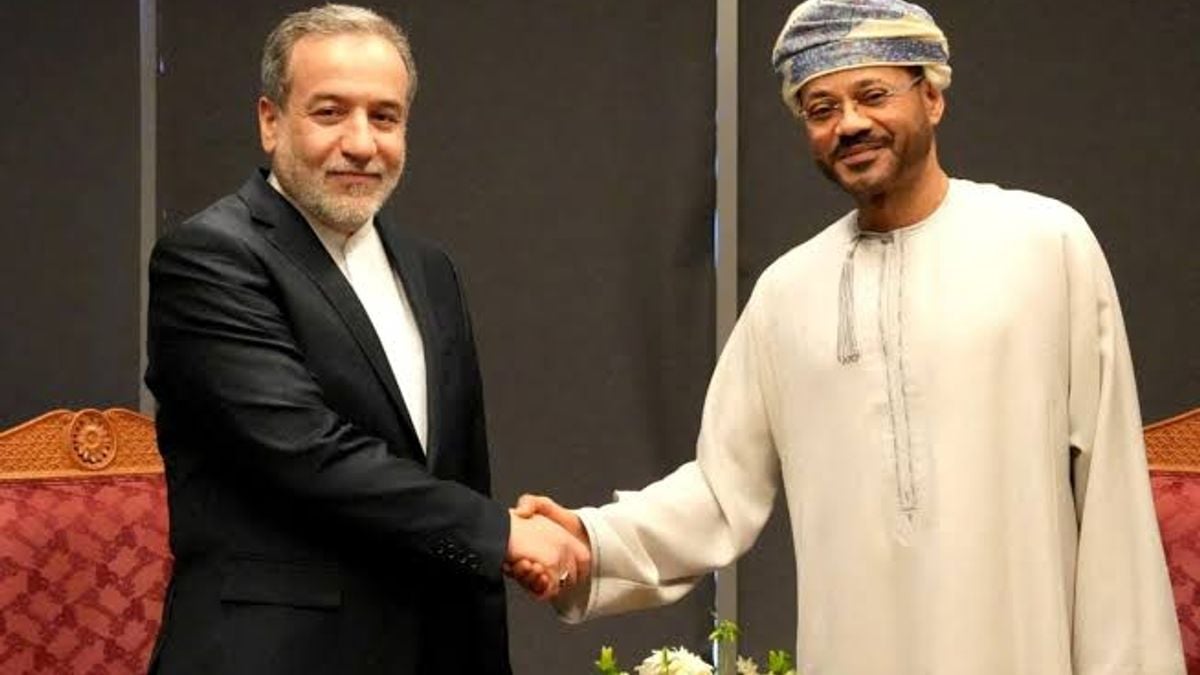
Iranian Foreign Minister Abbas Araghchi on Saturday discussed with his Omani counterpart Badr bin Hamad Al Busaidi the latest regional developments, foremost the Strait of Hormuz file, and they 'agreed to continue talks to reach the required understandings in accordance with international law.'
Araghchi, in a statement published on his Telegram account, said he made an official visit to the Omani capital Muscat, where he met Al Busaidi.
He added that he discussed with Al Busaidi regional developments, foremost the Strait of Hormuz issue, as well as ways to strengthen relations between Tehran and Muscat.
According to the statement, the two ministers exchanged views on appropriate mechanisms to ensure the safe passage of ships through the Strait of Hormuz, based on Article 5 of the memorandum of understanding signed between Iran and the United States.
For his part, the Omani foreign minister reiterated his country's position calling for the use of diplomacy to prevent an escalation of tension in the region.
He expressed hope that the full implementation of the memorandum of understanding between Tehran and Washington would contribute to improving regional security conditions.
For its part, the Omani Foreign Ministry said in a statement that Omani-Iranian talks were held in Muscat on Saturday, chaired by Al Busaidi and Araghchi.
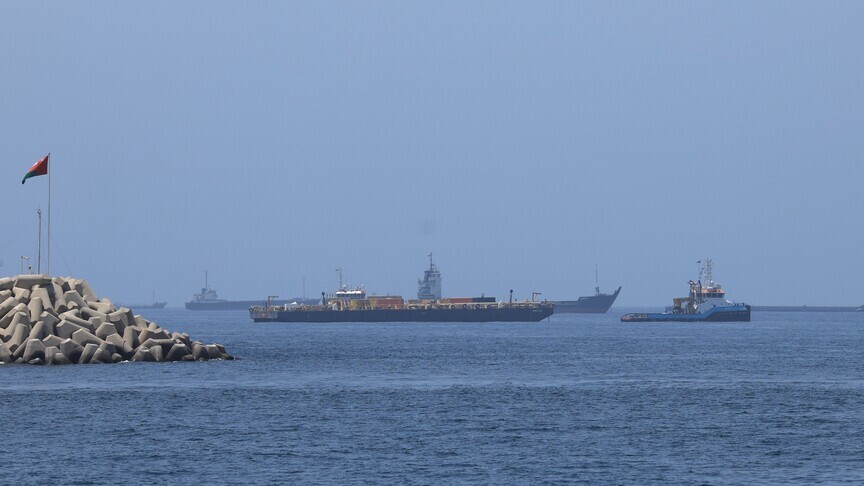
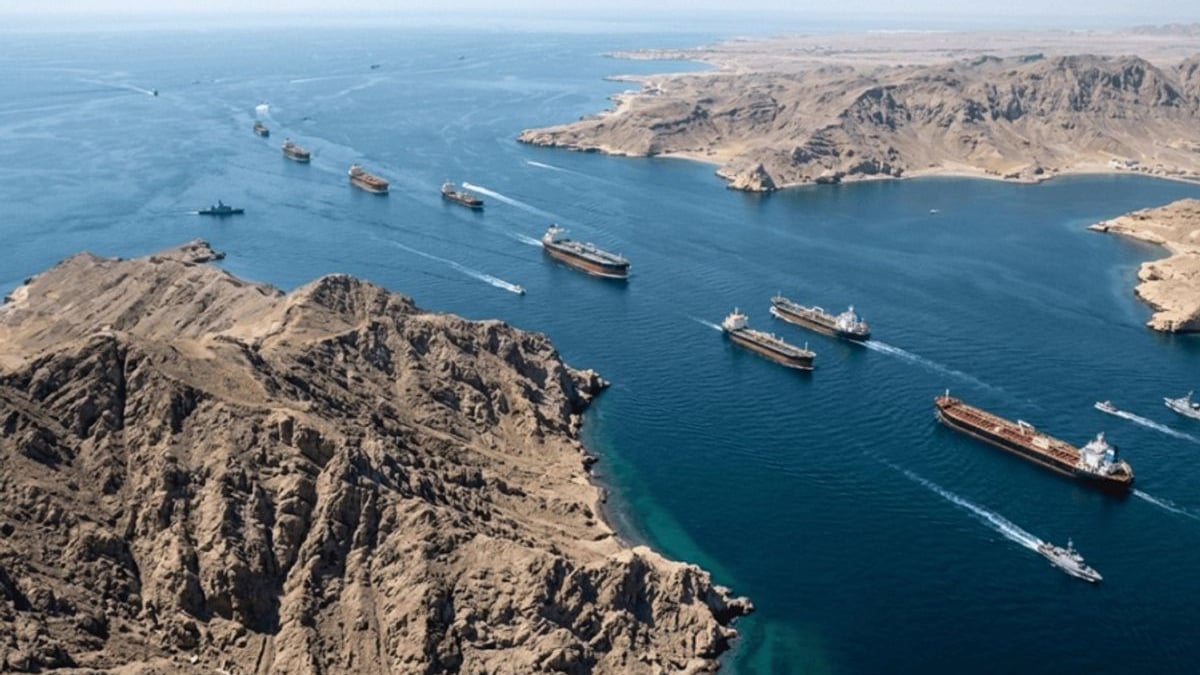
It added that the talks were 'about navigation in the Strait of Hormuz and ensuring its safety and freedom in light of the data and repercussions resulting from recent developments.'
The two sides agreed to 'continue these discussions at the technical and political levels to reach the required understandings in accordance with international law.'
On Friday, the United States demanded that Iran provide a public commitment not to target ships in the Strait of Hormuz and to keep all its maritime lanes open to commercial navigation, according to US media quoting unnamed officials.
This comes as the Strait of Hormuz region experiences periodic security tensions against the backdrop of the war launched by the United States and Israel against Iran on February 28, 2026.
Iran insists on the need for coordination with it before any ship passes through the strategic Strait of Hormuz, which is one of the world’s most important energy supply routes.
Meanwhile, US President Donald Trump claimed on Friday that Iran had asked the United States to resume negotiations, and that his country agreed to that, while confirming the end of the ceasefire.
These developments come amid escalating tension between the two sides, as the US Central Command (CENTCOM) announced on Thursday morning that it carried out new strikes targeting about 90 Iranian military sites, including air defense systems, missile and drone storage sites, naval capabilities, and logistical infrastructure on the Iranian coast.
In response, Iran’s Revolutionary Guard announced targeting US military bases in Kuwait, Bahrain, and Jordan, warning of expanding its attacks if US strikes continue.
Washington and Tehran had signed a memorandum of understanding on June 18 last year, following negotiations mediated by Qatar and Pakistan, in preparation for reaching a final agreement.
Original source: Anadolu Agency

Comments (0)
Be the first to comment.