"Iran Prepared for Return of US Naval Blockade"... Data Tracks What Tehran Did
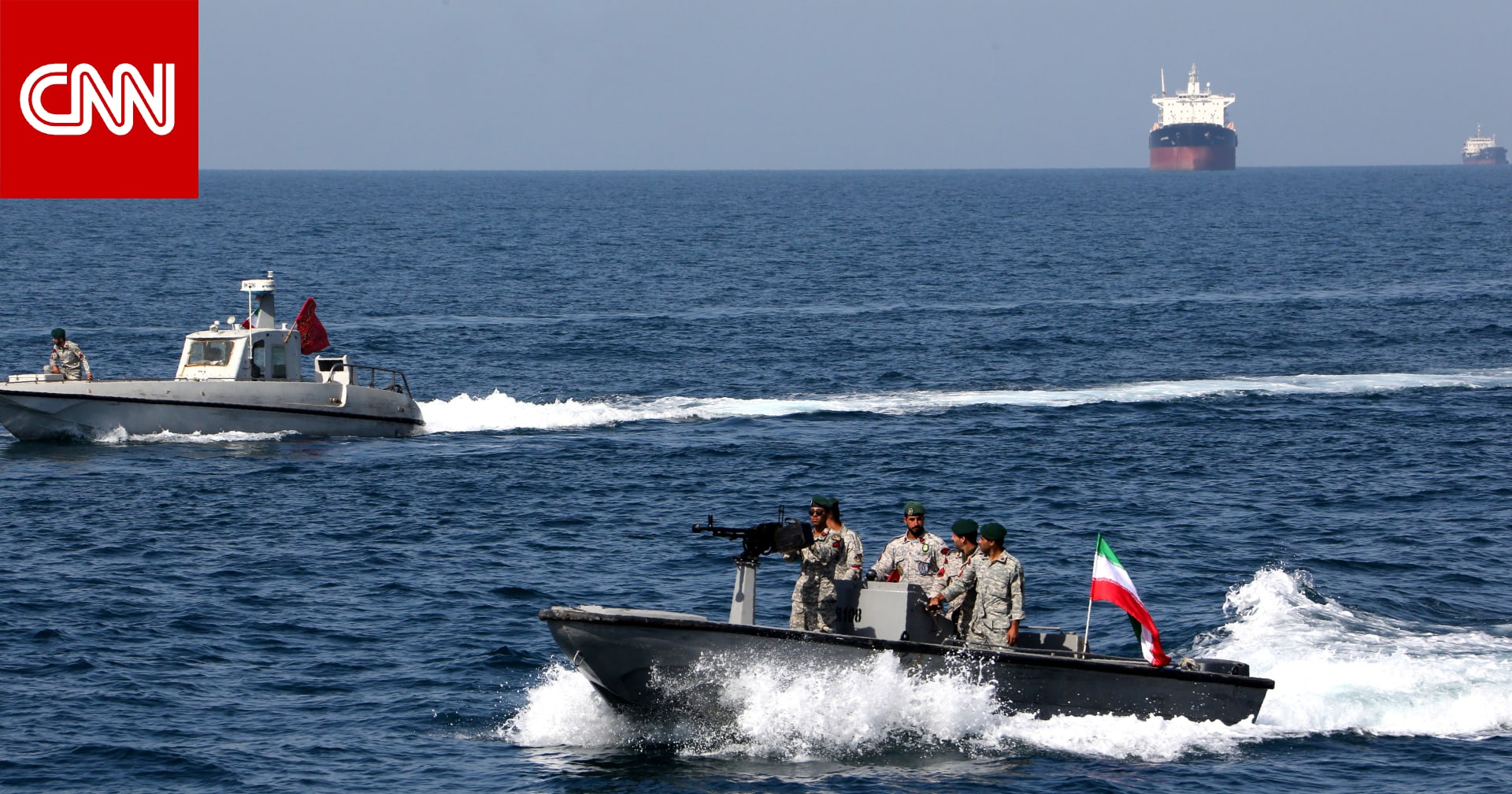
Archive photo Credit: ATTA KENARE / AFP via Getty Images
(CNN)-- Ahead of the United States reimposing its naval blockade on Iranian ports on Tuesday, Iran appeared to be preparing ships capable of breaching the blockade in the Gulf, vessels that may try to evade US military forces.
Data from Windward Intelligence, a maritime security information service, indicates that twenty-three Iranian vessels operating inside the Strait of Hormuz are flying fake flags, or have recently switched off their transmitters and receivers, or have somehow tampered with their activities to become what is known in the industry as "dark ships" forming "shadow fleets."
Adnan Mazarei, a senior fellow at the Peterson Institute for International Economics and former deputy director of the International Monetary Fund, noted that Iran has extensive experience in circumventing US sanctions, relying for years on a complex network of shell companies (shadow companies), covert oil cargo exchanges, and opaque financial transactions.
Its "shadow fleets" falsify their identities and sell most of their oil to China. For example, Windward Intelligence tracked an Iranian oil tanker taking an indirect route; it loads Iranian crude oil from Kharg Island—Iran's main oil hub—then passes through Iraq's Basra oil terminal before continuing to its final destination in China.
Windward Intelligence noted that this pattern is consistent with Iranian methods to conceal the origin of shipments.
According to Vortexa, a cargo tracking service, ten of the twenty-three ships identified by Windward Intelligence as potential blockade runners are currently carrying oil cargoes, while the remaining thirteen are empty.
Despite the US lifting sanctions on Iranian oil as part of a now-expired memorandum of understanding, Iran continued using its shadow fleet to export nearly 50 million barrels of crude oil in June, and 10 million barrels in a single day last week, according to an analysis by TankerTrackers.
Now subject to sanctions again are many vessels that left the Strait of Hormuz during the three-week ceasefire agreement. Windward Intelligence reported that seven of these are very large crude carriers loitering in the Indian Ocean, loaded with crude oil and waiting for a willing buyer.
It is worth noting that the first US naval blockade—which lasted from mid-April to mid-June—was effective in curbing a large portion of Iran's exports through the strait, though it did not completely halt them. The regime derives about 50% of its revenue from oil sales, according to the US Energy Information Administration, and has found a willing buyer in China; EIA data indicates that China imports about 80% of Iranian oil despite US sanctions.
The blockade significantly exacerbated Iran's massive inflation rate; after averaging 50% over the past twelve months—the highest level the country has recorded since World War II—the rate jumped far beyond that in April, the month the blockade began, according to Mazarei. In contrast, food price inflation exceeded 100%. Mazarei noted that about 90% of Iran's trade passes through the Gulf.
Original source: CNN Arabic



Comments (0)
Be the first to comment.