"CENTCOM" launches new wave of strikes against Iran for fifth consecutive night
International
"CENTCOM" launches new wave of strikes against Iran for fifth consecutive night
Mohammed Hamood Ali Al Ragawi
July 16, 2026 • Update: July 16, 2026
İSTANBUL
Istanbul / Mohammed Ragawi / Anadolu
- The US Central Command said the operations come "to continue weakening Iranian military capabilities," with no immediate comment from Tehran
- Iranian state television reported hearing three explosions west of the city of Bandar Abbas in southern Iran
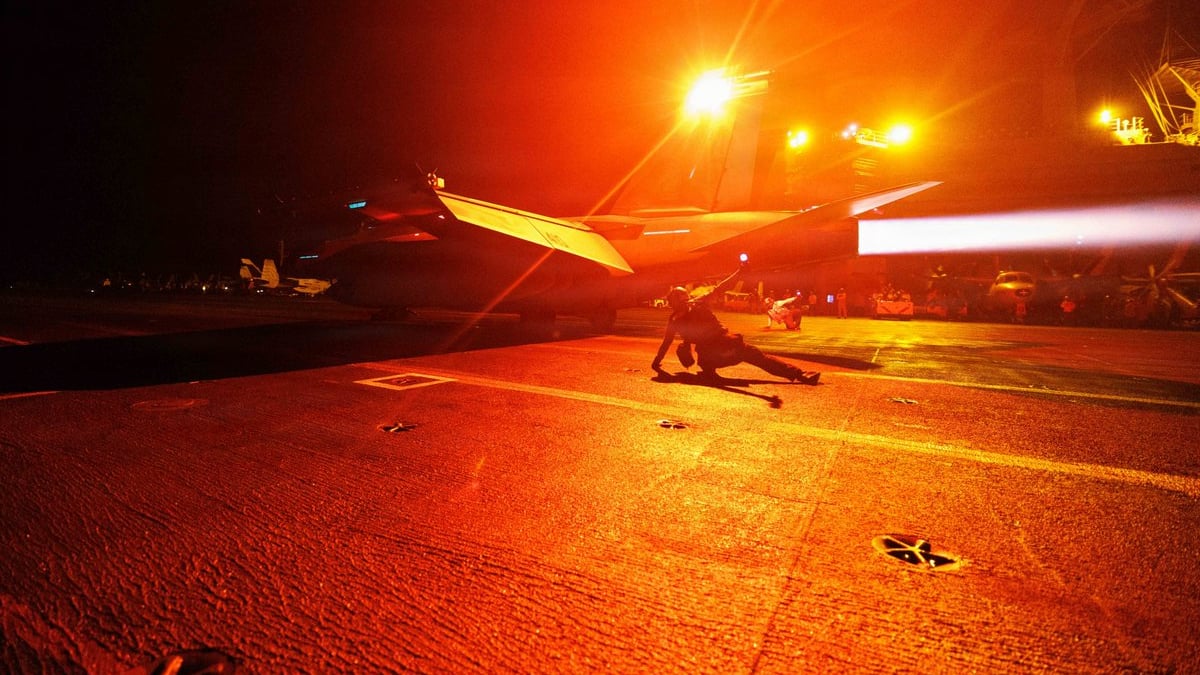
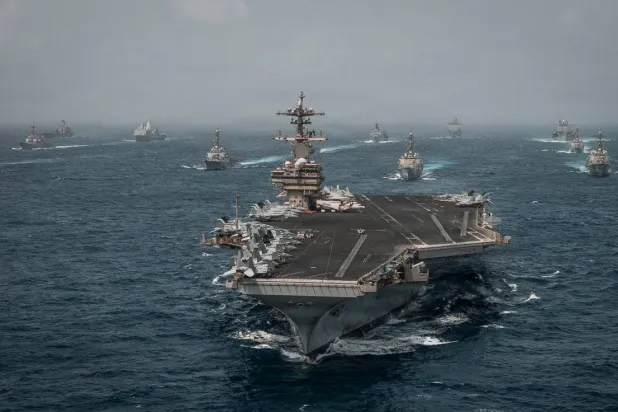
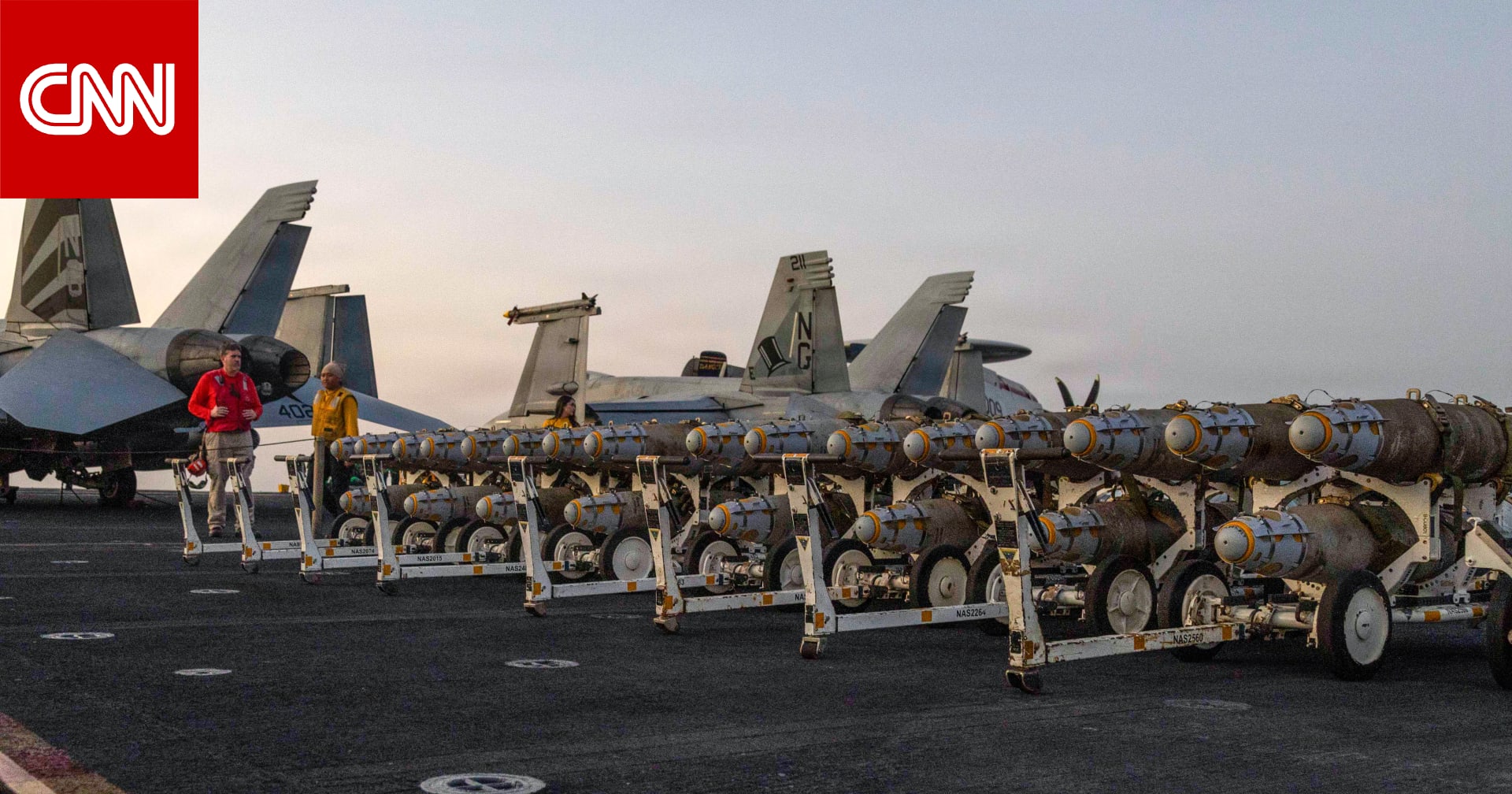
The US Central Command (CENTCOM) announced Thursday evening the start of a new wave of strikes against Iran, for the fifth consecutive night.
CENTCOM said in a statement that US forces "began at 14:00 Eastern Time (18:00 GMT) a new wave of strikes against Iran, for the fifth straight night."
It added that the operations come "to continue weakening Iranian military capabilities," without providing additional details on target locations or the scale of the strikes.
Earlier on Thursday, White House spokesperson Karoline Leavitt said in press statements that the recent US strikes came "because Iran violated the memorandum of understanding" between the two countries.
She added that the memorandum, signed by the US and Tehran on June 18, 2026, stipulates "not targeting commercial vessels transiting the Strait of Hormuz," considering that Iran "made an unfortunate decision" by violating that commitment.
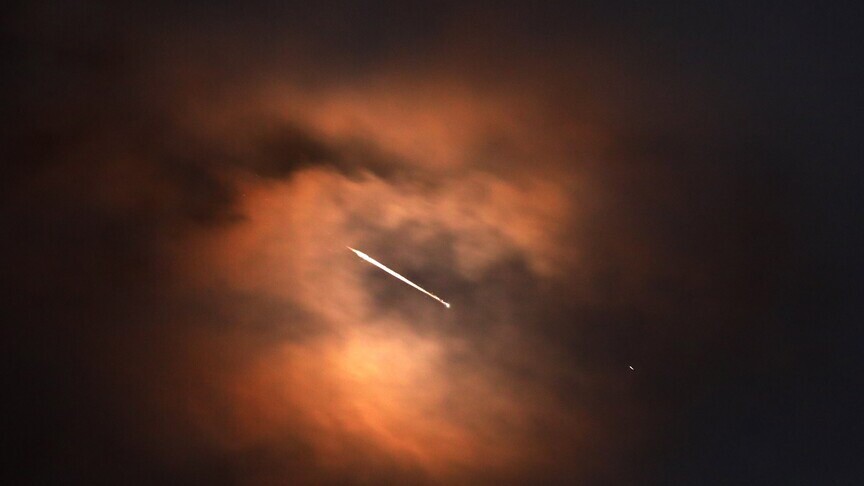
In a related context, Iranian state television reported hearing three explosions west of the city of Bandar Abbas in southern Iran on Thursday evening.
It noted that the causes of the explosions in the city overlooking the Strait of Hormuz were "not immediately clear."
For its part, Iran's semi-official Mehr news agency said US missiles targeted Bandar Abbas, without providing details on the extent of damage or casualties.
Iranian media also reported that several areas around the cities of Bandar Abbas and Qeshm Island, both in Hormozgan province in southern Iran, were hit by US strikes.
This comes amid escalating tensions between Washington and Tehran recently, as the US has been launching strikes on several Iranian areas for days, while Iran responds by targeting what it says are US targets in the region.
Earlier on Thursday, CENTCOM said in a statement that its forces carried out strikes targeting coastal defense and cruise missile sites on the Iranian island of Greater Tunb, disputed with the UAE, during a wave that lasted 90 minutes.
CENTCOM says the strikes aim to continue "undermining Iran's ability to threaten sailors on commercial vessels transiting the Strait of Hormuz."
In response, Tehran has been striking what it says are US military facilities in Arab countries, including Kuwait, Bahrain, and Jordan, while some of these countries have announced that the Iranian attacks resulted in civilian casualties and damage to civilian infrastructure.
On June 18, 2026, Washington and Tehran signed a memorandum of understanding that included a ceasefire and began negotiations mediated by Pakistan and Qatar to end the war launched by the US and Israel on Iran on February 28 of the same year.
However, US President Donald Trump announced on July 8, 2026, the end of the ceasefire due to renewed escalation, after Iran attacked three ships the day before while they were transiting the Strait of Hormuz, claiming they did not adhere to the navigation path it had set, prompting Washington to respond with attacks on sites inside Iran.
Washington supports the passage of commercial ships through the Strait of Hormuz on a path different from the one set by Iran, which Tehran rejects, stressing that it targets any ship that does not coordinate with it before crossing the strategic strait for global energy supplies.
Original source: Anadolu Agency


Comments (0)
Be the first to comment.