"Dangerous Escalation": Arab Countries Condemn Iranian and Houthi Attacks in the Region
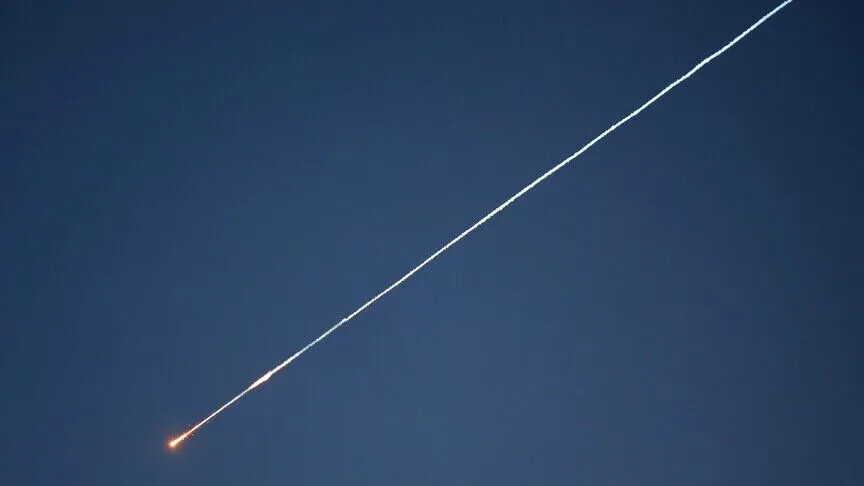
In official positions monitored by Anadolu, issued by Kuwait, Bahrain, Qatar, and Lebanon, following Iranian strikes that targeted Bahrain, Jordan, and two Emirati oil tankers, in addition to other Houthi attacks allied with Tehran that targeted Saudi Arabia.
ISTANBUL / Anadolu
Several Arab countries on Tuesday condemned Iranian attacks and others carried out by the Yemeni Houthi group, targeting countries and facilities in the region, and considered them an escalation threatening regional security and stability.
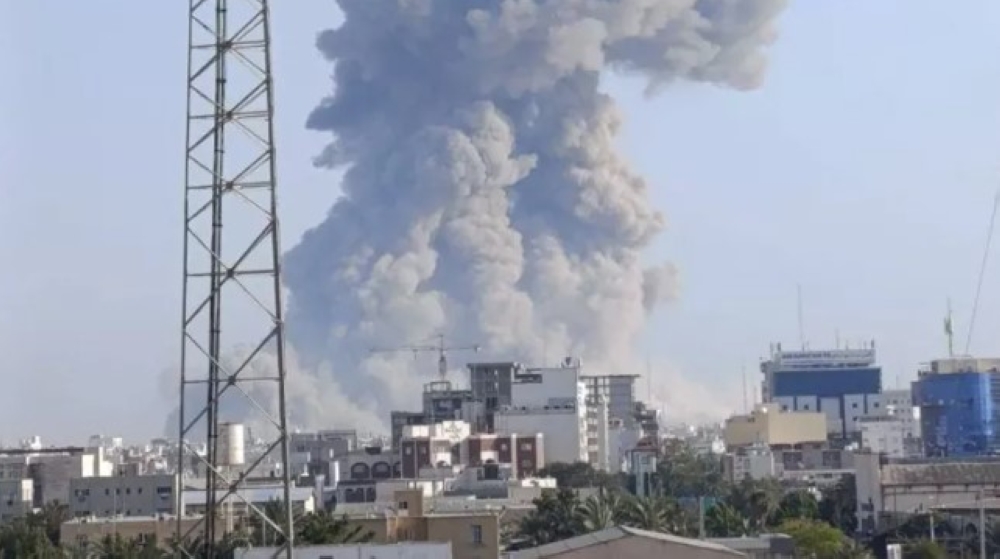
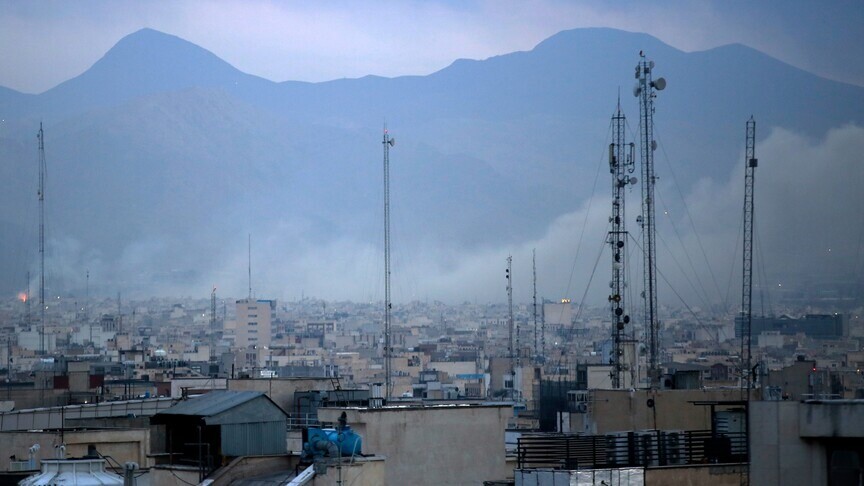
This came in official positions monitored by Anadolu, issued by Kuwait, Bahrain, Qatar, and Lebanon, following Iranian strikes that hit Bahrain, Jordan, and two Emirati oil tankers, in addition to rocket attacks launched by the Houthis targeting the southern region of Saudi Arabia.
Kuwait
In two statements from the Ministry of Foreign Affairs, it condemned the Iranian attack targeting two Emirati oil tankers while they were crossing the Strait of Hormuz, resulting in the death of a crew member from one of the tankers and injuries to others.
The Foreign Ministry considered the attack a 'flagrant violation of international law and a direct threat to the safety and security of maritime navigation and global energy supplies.'
It called for an immediate halt to all escalatory actions and 'compliance with the provisions of international law that guarantee freedom of navigation and transit passage in straits used for international navigation, thereby preserving the security and stability of the region.'
The Iranian attack at dawn on Tuesday targeted two Emirati oil tankers while they were crossing the Strait of Hormuz, resulting in the death of one crew member and injuries to others, according to Emirati authorities.
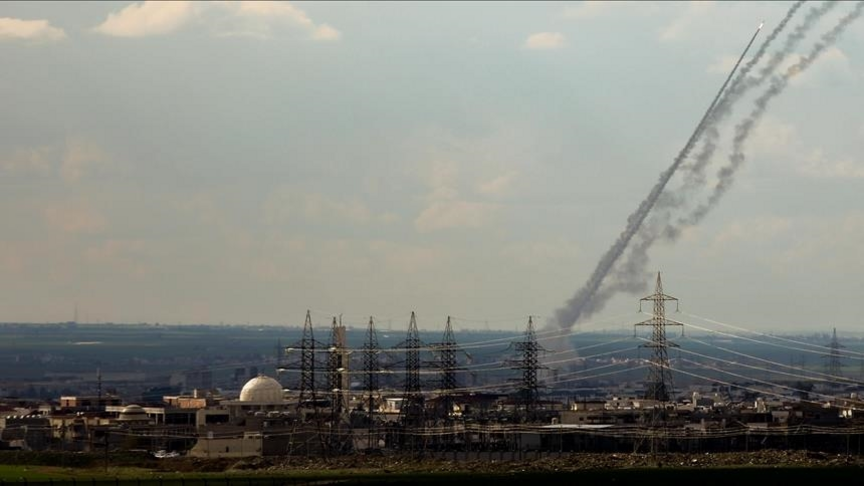
The Foreign Ministry also condemned in a second statement 'the assaults launched by the Houthi militia using ballistic missiles, targeting the southern region of Saudi Arabia.'
It said that this 'constitutes a flagrant violation of the Kingdom's sovereignty and territorial integrity, a breach of international law and international humanitarian law, and an escalation that undermines regional security and stability.'
On Monday evening, the official spokesman for the Coalition to Support Legitimacy in Yemen, Major General Turki al-Maliki, announced on his account on the American company X platform that air defenses intercepted ballistic missiles launched by the Houthi group towards the southern region of Saudi Arabia.
In response, the Houthi group said it targeted Abha International Airport in southern Saudi Arabia with a number of ballistic missiles and drones, adding that the attack came 'in response to the targeting of Sanaa International Airport.'
Bahrain
In a statement from the Ministry of Foreign Affairs, it condemned 'the Iranian attack targeting the two Emirati oil tankers with two cruise missiles while they were transiting the southern corridor of the Strait of Hormuz in Omani territorial waters.'
Manama considered the attack 'a dangerous escalation threatening regional security and stability, and a grave violation of the provisions of international law and the United Nations Convention on the Law of the Sea.'
It called on the international community, especially the Security Council, to take a firm stance 'to prevent the repetition of the criminal Iranian attacks, and to ensure freedom of navigation in the Strait of Hormuz and the safe passage of ships and tankers in international waterways without restrictions or conditions, in accordance with international laws and agreements.'
In a second statement, the Bahraini Foreign Ministry condemned the missile attacks launched by the Houthi group on the southern region of Saudi Arabia, considering them 'a dangerous escalation that constitutes a flagrant violation of international law and undermines regional security and stability.'
Qatar
It strongly condemned the Houthi group's targeting of the southern region of Saudi Arabia, considering it 'a flagrant violation of the Kingdom's sovereignty and territorial integrity, a breach of international law, and a threat to the security and stability of the region.'
In a statement from the Ministry of Foreign Affairs, it renewed its solidarity with Saudi Arabia and its full support for all measures it takes to preserve its security, stability, and sovereignty, and the safety of its citizens and residents on its territory.
In a second statement, the Qatari Foreign Ministry condemned the targeting of two Emirati oil tankers while transiting the Strait of Hormuz, considering it 'a serious violation of the safety of international navigation, a direct threat to the security of global energy supplies, and a clear and explicit breach of the rules of international law.'
It added that 'the continuation of these unacceptable assaults represents a dangerous escalation that threatens the security and stability of the region and undermines efforts to consolidate regional security and stability.'
Qatar called on Iran to 'immediately cease any practices that affect the security of the region, stop endangering the security of international navigation and global energy supplies, and fully comply with the rules of international law.'
Lebanon
President Joseph Aoun condemned in a statement 'the sinful assault' that targeted Saudi Arabia and Jordan.
He said that 'the security and stability of these countries are an integral part of Arab national security, and any infringement on the sovereignty of our brethren is an infringement on the Lebanese and Arab depth.'
The Jordanian army had earlier on Tuesday announced the downing of four missiles that entered its airspace coming from Iran.
These developments come amid a military escalation between the United States and Iran, following American attacks that began days ago targeting sites inside Iran, and Tehran's response with attacks on what it says are American military targets in the region, amid fears of the confrontation expanding regionally.
The Strait of Hormuz region is witnessing security tensions against the backdrop of the war waged by the United States and Israel on Iran on February 28, 2026.
In June 2026, Washington and Tehran signed a memorandum of understanding that included a ceasefire, following Qatari and Pakistani mediation, in preparation for reaching a final agreement to end the war, before US President Donald Trump announced on July 8 of this month the end of the ceasefire due to renewed escalation.
Original source: Anadolu Agency
Comments (0)
Be the first to comment.