Arab states consider Iran's attacks 'violation of sovereignty' and call for de-escalation
According to official positions monitored by Anadolu, issued by Saudi Arabia, Qatar, the UAE, Kuwait, Egypt, Jordan, and Yemen, in addition to a joint Gulf statement
ISTANBUL / Anadolu
Arab countries, on Thursday, condemned the repeated Iranian attacks targeting Jordan, Bahrain, and Kuwait, describing them as a 'flagrant violation' of state sovereignty and a 'dangerous escalation' threatening regional security, while the Gulf Cooperation Council affirmed that its member states retain the right to defend themselves in accordance with international law.
The condemnations came in official statements from Saudi Arabia, Qatar, the UAE, Kuwait, Egypt, Jordan, and Yemen, as well as a joint statement from the Gulf Cooperation Council.
**Unified Gulf position
The Gulf Cooperation Council condemned the Iranian attacks on Bahrain and Kuwait, as well as the targeting of the Saudi tanker 'Wadiyan' and the Qatari tanker 'Al-Rakiyat' while they were transiting the Strait of Hormuz, considering this an assault on the security of international navigation and global energy supplies.
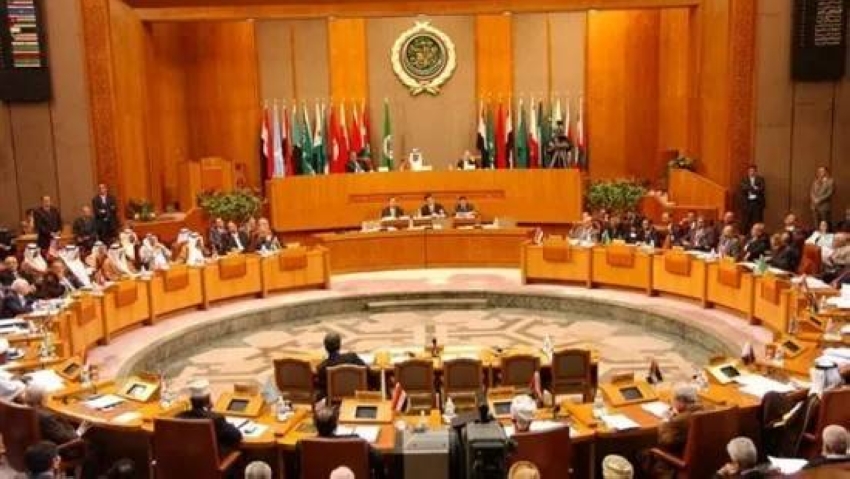
The Council affirmed in a statement that the security of its member states is 'indivisible,' and that any attack on a member state is an attack on all member states, stressing their right to defend themselves individually and collectively under Article 51 of the UN Charter.
The Council held Iran fully responsible for the attacks and their repercussions, calling on the Security Council and the international community to take a firm stance to ensure freedom of navigation in the Strait of Hormuz and prevent the recurrence of such assaults.
It also called on Tehran to fully comply with the memorandum of understanding signed with the United States and implement its provisions in a way that contributes to consolidating regional and international security and stability.
On June 18, Washington and Tehran signed a memorandum of understanding and began difficult negotiations to reach a final agreement with the mediation of Pakistan and Qatar, but the fate of these negotiations remains shrouded in ambiguity amid the current military confrontation.
**Arab condemnations
The Saudi Foreign Ministry, in a statement, expressed its 'strongest terms' of condemnation and denunciation of the Iranian attacks on Kuwait, Bahrain, and Jordan, affirming its rejection of the violation of state sovereignty and threats to regional security.
Qatar also condemned the attacks in a Foreign Ministry statement, describing them as a 'flagrant violation' of state sovereignty and a breach of international law, calling for continued dialogue, de-escalation, and building on what has been achieved under the memorandum of understanding.
For its part, the UAE condemned the attacks on Jordan, then in a separate statement the attacks on Bahrain and Kuwait, affirming its full solidarity with the three countries and its support for all measures that preserve their security and stability.
Kuwait expressed its condemnation of the attacks that targeted its territory, Bahrain, and Jordan, considering them a flagrant violation of international law, and called for a halt to escalation and prioritization of dialogue.
Egypt also condemned the Iranian attacks on Jordan, describing them as a dangerous escalation threatening regional security, before condemning in another statement the attacks on Bahrain and Kuwait, considering them an unacceptable violation of state sovereignty.
Jordan condemned the renewed Iranian attacks on Bahrain and Kuwait, considering them a violation of their sovereignty and a breach of international law and the UN Charter.
Yemen denounced the Iranian attacks on Jordan, Bahrain, and Kuwait, counting them as a flagrant violation of national sovereignty and an escalation threatening regional peace and security.
**Military escalation
These positions come amid ongoing military escalation between the United States and Iran.
The US Central Command (CENTCOM) announced in a statement on Thursday the execution of new strikes targeting about 90 Iranian military sites, including air defense systems, missile and drone storage facilities, naval capabilities, and logistical infrastructure on the Iranian coast.
In response, the Iranian Revolutionary Guard Corps (IRGC) announced in a statement the targeting of the Arefijan and Ali Al Salem bases in Kuwait, and the Al-Juffair and Sheikh Isa bases in Bahrain.
The IRGC warned of 'expanding the scope of retaliation to include other American bases in the region if US aggression is repeated.'
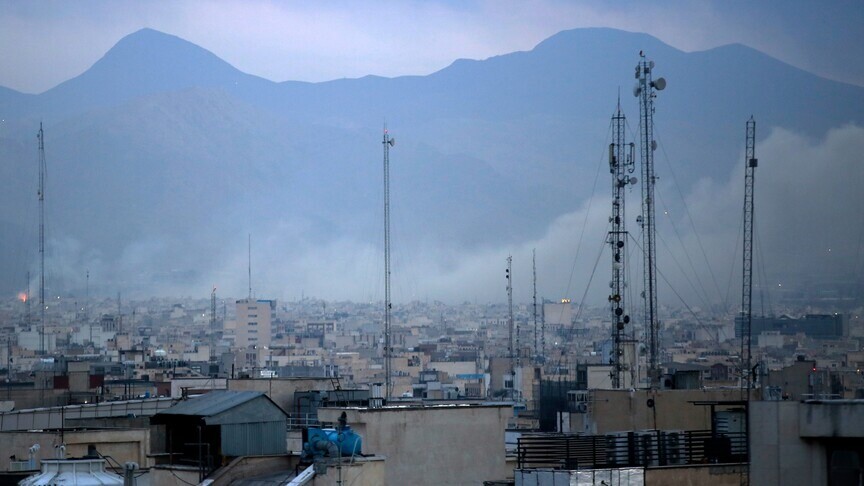
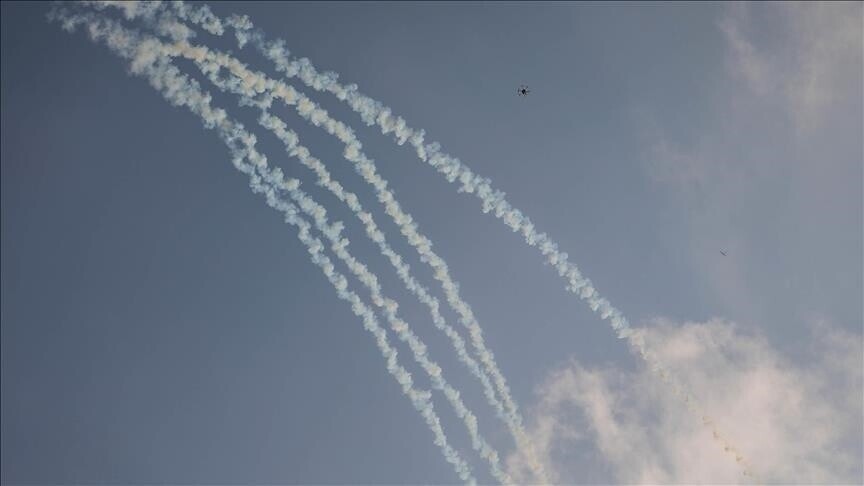
The Kuwaiti army confirmed the interception of missiles and drones, explaining that the sounds of explosions heard resulted from interception operations, while Bahrain announced the activation of warning sirens and called on citizens and residents to move to safe places and follow official instructions.
This escalation comes after the targeting of a Saudi and a Qatari tanker in the Strait of Hormuz, and two days after the United States began carrying out strikes on Iran, which it said were in response to attacks on commercial ships in the strait.
The Gulf region has been experiencing escalating tension since the start of the US-Israeli military confrontation with Iran on February 28, despite Washington and Tehran signing a memorandum of understanding on June 18 and the continuation of negotiations between them mediated by Qatar and Pakistan to reach a final agreement.
Original source: Anadolu Agency


Comments (0)
Be the first to comment.