Iraq suspends oil loading at all ports after drone strike on tanker

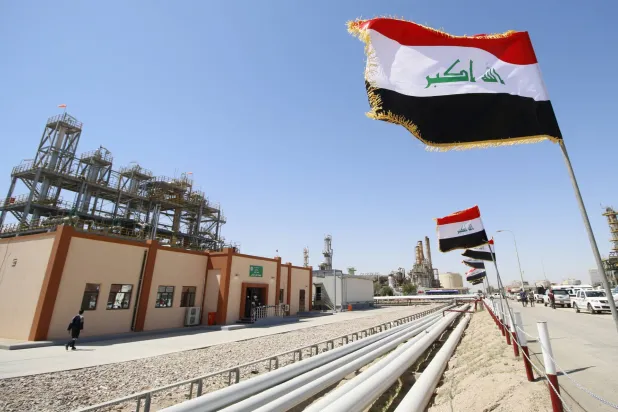
Iraq suspended crude oil loading operations at all its southern ports on Thursday after a drone struck an oil tanker in Basra port.
US retail sales posted a slight increase in June, as falling gasoline prices limited revenues at gas stations, while consumers seeking deals and discounts continued to support core spending.
The US Commerce Department's Census Bureau announced on Thursday that retail sales rose 0.2 percent last month, after May data was revised up to growth of 1 percent.
Economists polled by Reuters had forecast sales, which mostly consist of goods and are not adjusted for inflation, would rise 0.2 percent, after an initial reading indicating a 0.9 percent increase in May. Estimates ranged from a 0.4 percent decline to a 1 percent rise.
Data from the US Energy Information Administration showed the average gasoline price fell to $4.18 per gallon in June, compared with $4.61 in May.
The decline in fuel prices, driven by lower oil prices amid a temporary ceasefire between the United States and Iran, helped provide more room for households to direct spending toward other sectors. However, the collapse of the truce last week and the resumption of military operations in the Middle East pushed oil and gasoline prices back up.
In contrast, core retail sales, which exclude autos, gasoline, building materials, and food services, rose 0.5 percent in June, after May growth was revised to 0.8 percent. This reading is closely related to the consumer spending component of GDP, and prior data had indicated growth of 0.7 percent in May.
Amazon's 'Prime Day' event at the end of the month, along with promotional campaigns by competing retailers, likely supported the rise in core sales.
The FIFA World Cup is also believed to have boosted revenues at restaurants and cafes.
Bank of America Institute, in a report released Wednesday, said that analysis of payment card data showed spending has been rising at discount clothing stores and budget grocery stores since the start of the year, noting that 'price-sensitive consumers are increasingly turning to general merchandise stores for deals and discounts.'
Tariffs on imports, along with the fallout from the conflict in the Middle East, continue to pressure household budgets. However, spending remains supported by high-income households, which have benefited from stock market gains.
The institute added that low-income households have become more inclined to buy cheaper goods, noting that their spending rate at discount clothing stores has been five times that of high-income households since the start of 2026.
The Federal Reserve's Beige Book report, released Wednesday, showed consumer spending rose slightly in early July, with many regions noting a decline in spending on non-essential goods or a shift toward cheaper alternatives.
Economists expect consumer spending, which accounts for more than two-thirds of the US economy, to regain momentum in the second quarter, after nearly stalling in the first quarter (January-March).
The Atlanta Federal Reserve's GDPNow model estimates the US economy grew at an annual rate of 1.3 percent in the second quarter (April-June), compared with growth of 2.1 percent in the first quarter.
Original source: Asharq Al-Awsat



Comments (0)
Be the first to comment.