Kuwait announces control of 5 fires from Iranian attacks on Saturday
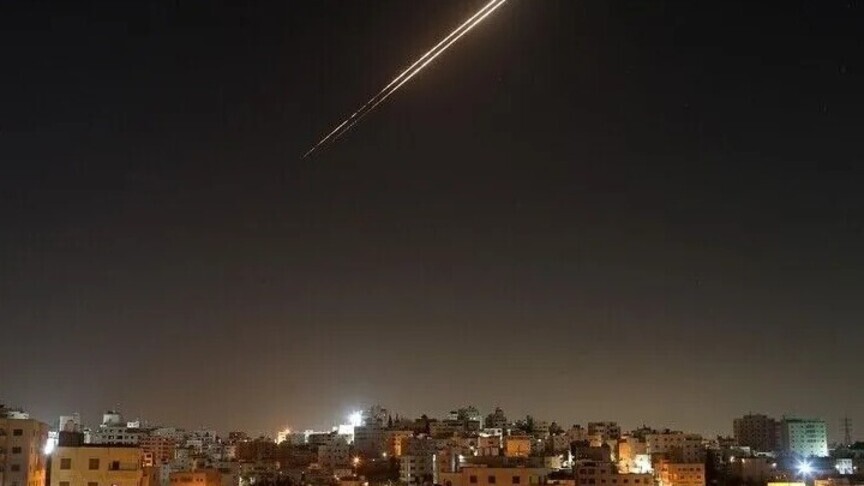
Two fires at targeted sites and 3 others erupted in residential areas due to shrapnel
Istanbul / Anadolu
The Kuwait Fire Service Directorate announced on Saturday that it had brought under control 5 fires that broke out as a result of Iranian attacks, including two fires at two different sites and three others in residential areas.
The directorate's spokesperson, Muhammad Badr Ibrahim, said in a statement that firefighting teams controlled two fires that broke out at two sites targeted in the "Iranian aggression."
Ibrahim explained that 5 firefighting teams, supported by teams from the oil sector, participated in extinguishing the fire at the first site, while 3 teams dealt with the fire at the second site.
He added that the renewed targeting of the first site during firefighting operations resulted in injuries to a number of firefighters and a worker in the oil sector.
The fire force spokesperson noted that first aid was provided to the injured before they were transferred to the hospital, without mentioning their number or the nature of their injuries.
He confirmed that firefighting teams controlled 3 separate fires that broke out due to falling shrapnel in residential areas.
According to the statement, the damage from the three fires was limited to material losses, with no injuries recorded.
For about a week, the United States has been launching successive waves of strikes on sites inside Iran, while Tehran responds with attacks on sites and bases it says are American military in a number of countries in the region, including Kuwait.
On June 18, 2026, Washington and Tehran signed a memorandum of understanding that included a halt to military operations and the start of negotiations to reach a broader agreement.
But US President Donald Trump announced on July 8 of this month the end of the interim agreement after targeting 3 ships in the Strait of Hormuz, as Washington resumed its strikes inside Iran amid escalating Iranian responses.
Washington demands ensuring freedom of navigation and its security in the Strait of Hormuz, while Tehran insists on imposing a mechanism to regulate the passage of ships through the strategic corridor, exacerbating fears of disruption of oil and gas exports from the region.
Original source: Anadolu Agency



Comments (0)
Be the first to comment.