Lieberman accuses Netanyahu of lying: Iran does not have a nuclear bomb
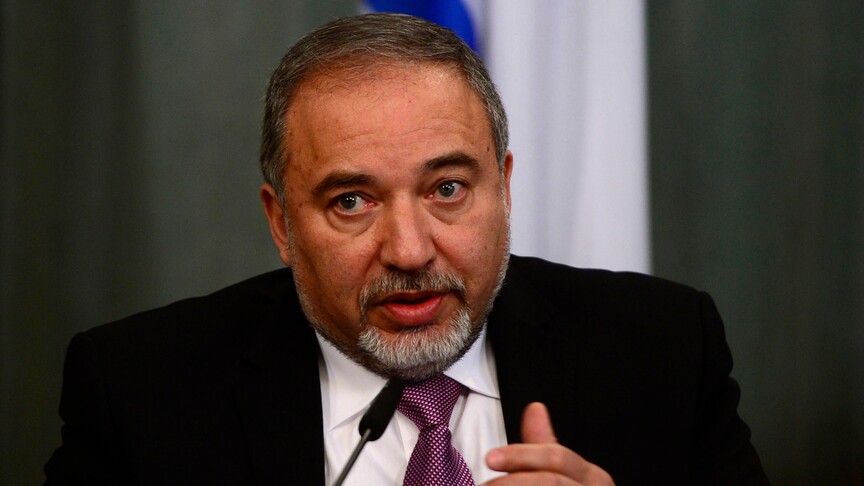
Former Defense Minister, leader of the Yisrael Beiteinu party, said his priority in the upcoming elections is to change Netanyahu's government | Anadolu
Jerusalem / Anadolu
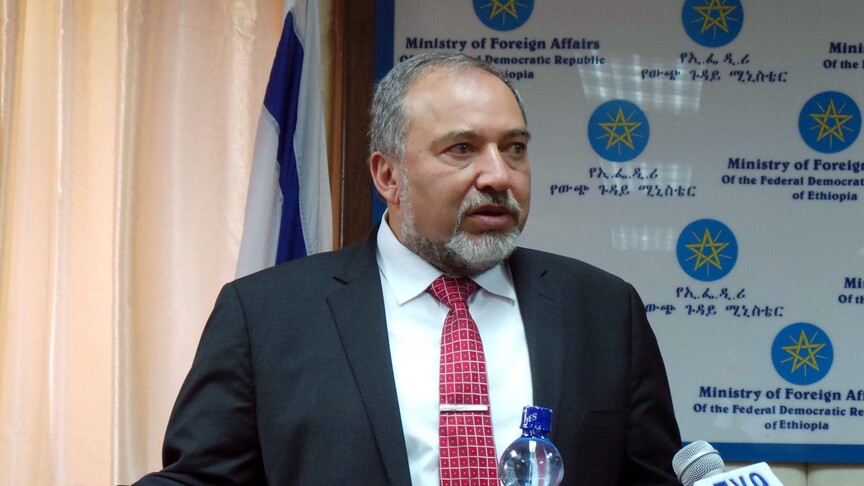
Opposition leader and leader of the right-wing Yisrael Beiteinu party, Avigdor Lieberman, accused Prime Minister Benjamin Netanyahu on Thursday of lying about his claims that Iran possesses a nuclear bomb.
Lieberman, who previously served as Israel's defense minister, made the remarks during an interview with local radio station 103 FM on Thursday.
In this context, he said: 'This is pure lies. What the prime minister and defense minister (Israel Katz) have been promoting in recent days about Iran possessing an atomic bomb is aimed at diverting attention from the 1,000th day since October 7.'
On October 7, 2023, Hamas attacked military bases and settlements adjacent to the Gaza Strip, killing and capturing Israelis in response to what it called 'the daily crimes of the Israeli occupation against the Palestinian people and their holy sites.'
Later, Israeli political and military officials considered the attack, unprecedented in Israel's history, a political, security, military and intelligence failure.
He added: 'The Iranians did not have bombs and still do not. They are very close to having them, but they do not possess nuclear bombs. Meanwhile, the Iranians have made a new bomb, the Hormuz bomb (referring to closing the strait), thanks to the prime minister (Netanyahu).'
Lieberman continued: 'These are threats aimed at diverting attention from the failure in Lebanon and the inability to besiege the Houthis in Yemen.'
He argued that 'the Houthis are getting stronger, Hamas is getting stronger, Hezbollah is getting stronger, everyone is getting stronger, and they (Israeli government members) are doing nothing.'
He added, accusing government ministers: 'They have thrown us into chaos and turmoil. Whoever has not made up his mind in 1,000 days will never know how to make a decision.'
He added: 'It is amazing to see the gap between the people of Israel and the leadership itself, which is trying to forget the worst catastrophe in the history of the people of Israel since the Holocaust, and is trying to evade responsibility.'
He continued: 'There is no decision on any front, no decision against the Houthis, against Hezbollah, against Hamas, or against Iran.'
Earlier, leader of the opposition Yashar party, Gadi Eisenkot, had said on Wednesday that Netanyahu made 'outrageous' statements, stressing that 'Iran has never possessed any nuclear bombs at all. He is fabricating claims to scare the Israeli public.'
Netanyahu had made statements on Tuesday evening in which he said: 'We attacked Iran twice to save ourselves from annihilation with the nuclear bombs that were already in their possession.'
On the other hand, Lieberman said in his radio interview that his priority in the upcoming elections is to change Benjamin Netanyahu's government and become prime minister.
He added: 'First and foremost, change this government. I believe I am qualified in terms of capabilities, experience, understanding of operations, and foresight.'
He continued, referring to the opposition: 'We will know how to manage affairs after the elections, but before assuming the premiership, we must change this government, which cares only about protecting itself.'
There is no consensus within the Israeli opposition regarding who will form the government after the expected elections next October if the opposition wins.
Three opposition leaders have put themselves forward for prime minister: Lieberman, leader of the Together party and former right-wing Prime Minister Naftali Bennett, and former army chief of staff Gadi Eisenkot.
The prime minister is not directly elected by the public; rather, the office is held by the person capable of forming a government that enjoys the support of at least 61 of the 120 Knesset members.
General elections are scheduled to be held on October 27, but Hebrew media reports have mentioned a deal between Netanyahu and the Haredim to advance the date to the 20th of the same month.
In Israel's political system, there is no specific date preventing parties from starting their electoral activity or launching campaigns, while the official campaign usually begins after the Knesset is dissolved and the election date is set, with political and promotional activity continuing before that.
Original source: Anadolu Agency

Comments (0)
Be the first to comment.