On the Threshold of Zoutar al-Gharbiyya: Lebanese Await Return After Israeli Withdrawal
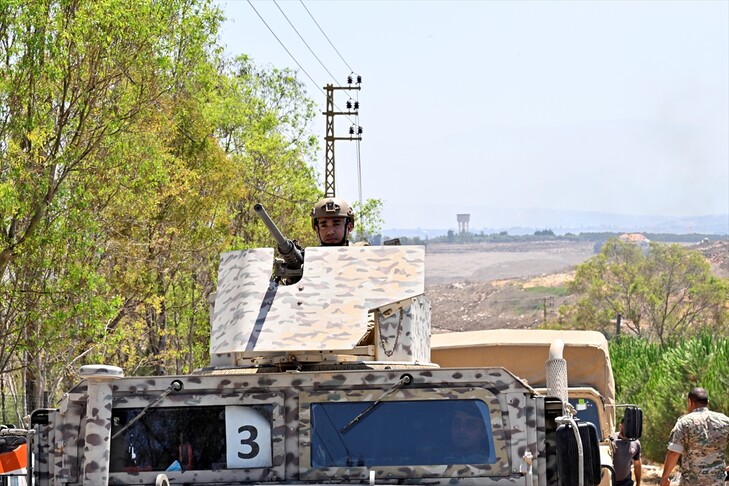
Zoutar al-Gharbiyya is one of three towns included in the first 'experimental zone' of the initial phase of the framework agreement signed between Lebanon and Israel under the auspices of the United States.
BEIRUT – Naeem Berjawi (Anadolu)
The army's deployment in the town is part of the first phase of the framework agreement between Lebanon and Israel under the auspices of the United States.
Despite the heat of the weather and the blazing summer sun, dozens of residents of the southern Lebanese town of Zoutar al-Gharbiyya have been waiting at the town's entrances for three days, hoping to obtain permission from the Lebanese army to return to their homes, following the deployment of its military units in the town after the withdrawal of Israeli forces.
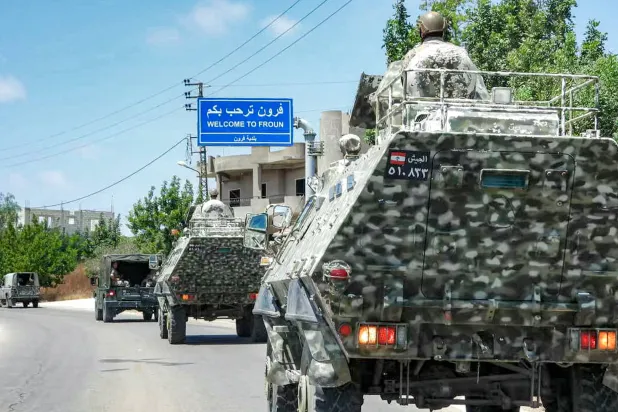
Zoutar al-Gharbiyya is one of three towns within the first experimental zone of the initial phase of the framework agreement between Lebanon and Israel under the auspices of the United States, which stipulates a gradual withdrawal of Israeli forces in exchange for the deployment of the Lebanese army.
On July 21, the Lebanese army command announced the deployment of its units in the town, but called on citizens not to head to it until the security situation stabilizes and the necessary procedures are completed.
** Three consecutive days of waiting
Umm Ali has been standing at the entrance of the town for three days waiting for permission to enter, and she told Anadolu that returning to Zoutar al-Gharbiyya 'means everything' and that it is 'like the return of the soul to the body.'
Similarly, Mahmoud Turkia said he spends his day under the sun and sleeps in his car, like many of the town's residents, waiting for permission to return.
He added: 'Our town is before our eyes and only a few meters away, but we are not allowed to reach it,' considering that the deployment of the Lebanese army restored their hope of an imminent return.
Photo: Houssam Shbaro/AA
** Incomplete joy
Zainab, along with volunteers from a non-governmental ambulance service, participates in supporting the ambulance teams serving returning citizens, and expresses her hope to enter Zoutar al-Gharbiyya with the residents.
For three days as well, Wafaa Ismail has been waiting for permission to return, expressing her hope that this model will include all towns that are still under Israeli occupation.
She told Anadolu: 'We have wished for the presence of the Lebanese army for a long time, as it is a source of security for citizens, and the state should bear responsibility for its people and its borders.'
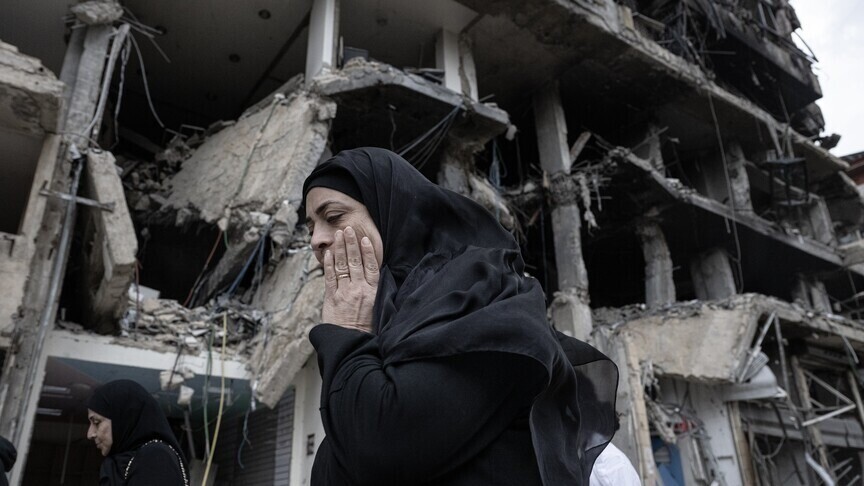
Meanwhile, Faten Ezzeddine lamented the massive destruction in the town, noting that her house is among those blown up by Israeli forces in recent days, so her joy is incomplete, but despite that, 'we are waiting and anticipating entering our town in minutes,' as she put it.
Photo: Houssam Shbaro/AA
*** Clearing explosives
As for the mayor of Zoutar al-Gharbiyya, Abdel Ezzeddine, he confirmed that the delay in residents' entry is due to the Lebanese army continuing to conduct engineering survey operations inside the town to ensure it is free of unexploded rockets and munitions.
He told Anadolu: 'This is to ensure a safe entry into the town.'
On Wednesday, Lebanese Prime Minister Nawaf Salam visited the town of Zoutar al-Gharbiyya in the Nabatieh district to inspect it, a day after the start of the deployment of Lebanese army units there as part of the first phase of implementing the 'Framework Agreement'.
On Thursday, Lebanese Army Commander General Rodolphe Haykal inspected the military units deployed in the town following the withdrawal of Israeli forces.
According to a statement by the Lebanese army command, the army commander stressed the need to take measures to ensure a safe and sound return for the town's residents.
Photo: Houssam Shbaro/AA
Zoutar al-Gharbiyya is located south of the Litani River and is one of the experimental areas included in the first phase of the agreement signed on June 26.
The agreement stipulates a gradual Israeli withdrawal from occupied Lebanese territories, starting with the application of a model in experimental areas, with the Lebanese army assuming security responsibility in areas from which Israeli forces withdraw, in addition to disarming armed groups, in reference to Hezbollah.
On Monday, the US State Department announced the start of operations in the experimental zone in the villages of Faroun, Sarifa, and Zoutar al-Gharbiyya, according to the tripartite framework and under the auspices of the Special Coordination Group for Lebanon.
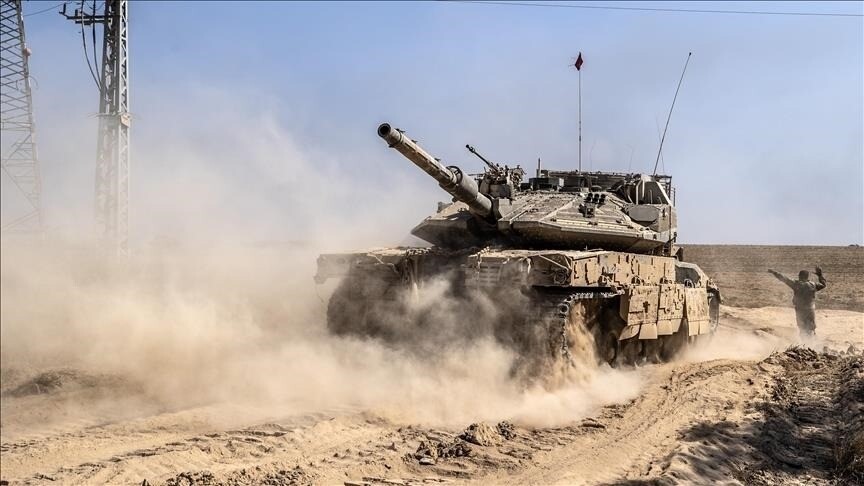
Israel occupies areas in southern Lebanon, some for decades, others since the confrontations between 2023 and 2024, and it also advanced more than 10 kilometers into Lebanese territory during the current aggression.
This experimental model represents a first step towards implementing the full Israeli withdrawal from southern Lebanon. Residents await the return of security and stability to their towns, but security measures remain in place. Subsequent phases are expected to include other towns, and success in this phase is an important indicator for completing the agreement. The population relies on the state and the army to ensure a safe and dignified return.
Original source: Anadolu Agency



Comments (0)
Be the first to comment.