The Gulf Between Protecting Navigation and Preventing War

Article
The Gulf Between Protecting Navigation and Preventing War
Dr. Khaled Mohamed Batafi
Publication date: July 13, 2026 11:57 KSA
The Gulf region is experiencing one of its most sensitive phases in years, with escalating military tension and expanding operations to include sea lanes, and an increasing frequency of targeting ships and neighboring countries, at a time when Washington and Tehran exchange strikes and military messages. This scenario raises a fundamental question: Is what is happening merely a new round of escalation, or are we facing a strategic shift that could redraw the equations of regional security?
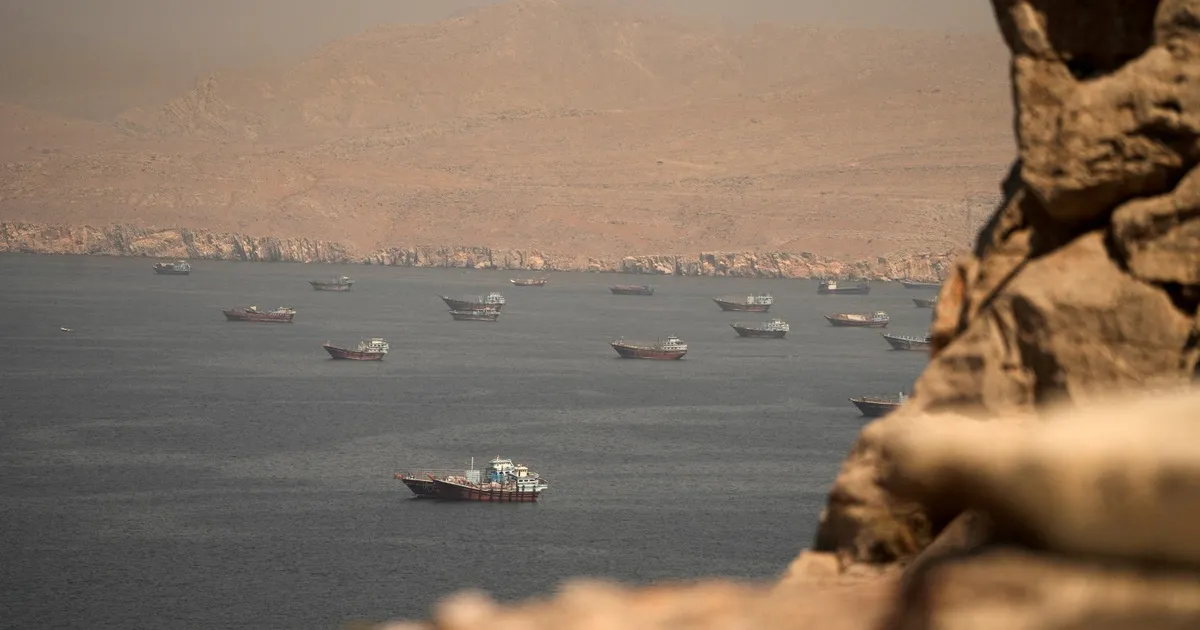
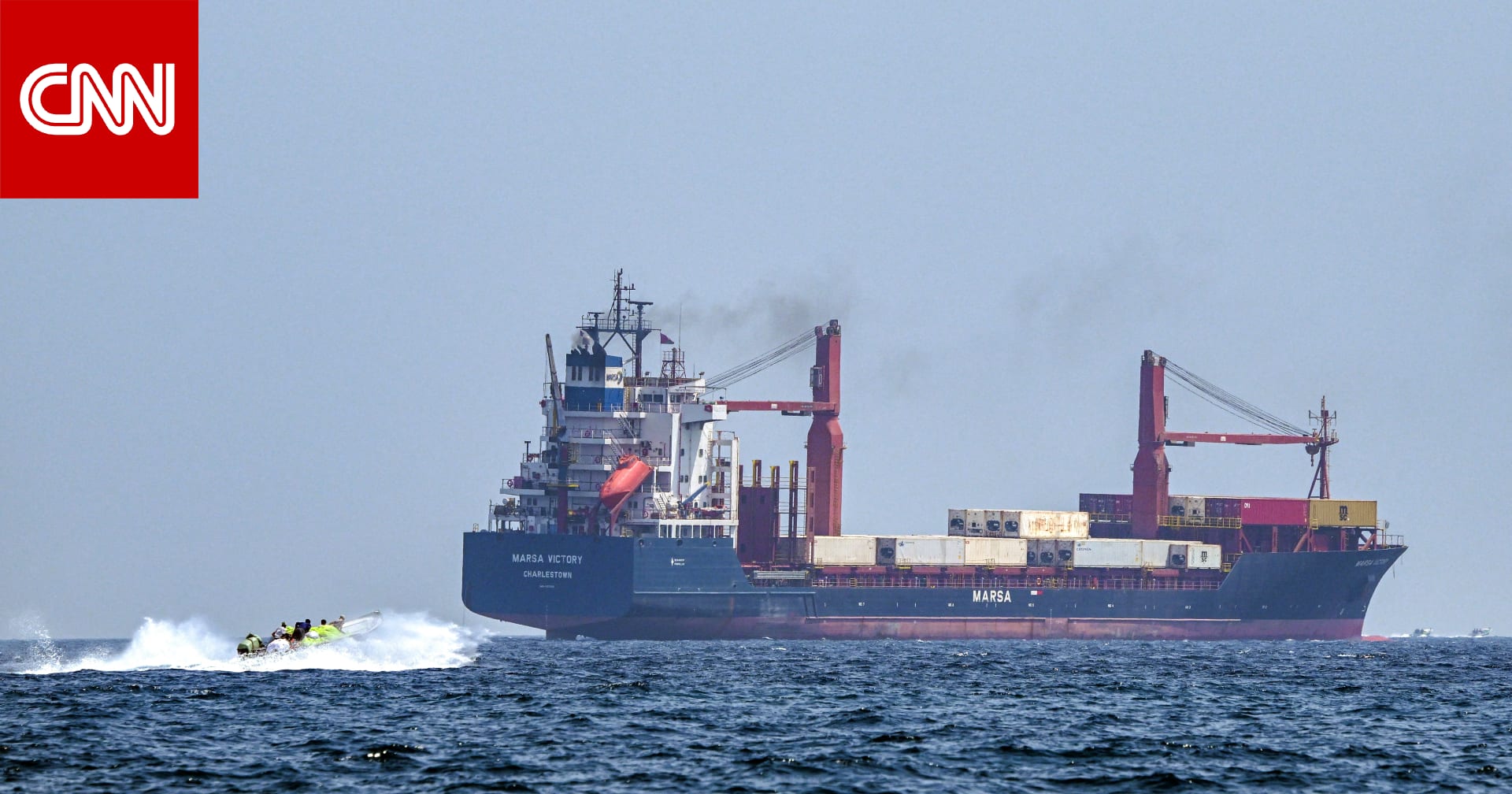
Amid these developments, the Saudi position emerged clearly in condemning any aggression targeting ships or brotherly countries, a position that does not reflect a reactive response but rather embodies a steadfast policy based on respect for state sovereignty, rejecting the use of force to impose facts, and protecting the security of sea lanes that represent a vital artery for the global economy. Freedom of navigation is not only an interest for Gulf states, but a fundamental pillar for the stability of international trade and energy markets. The crisis becomes more dangerous when threats extend to the Strait of Hormuz, one of the most important sea lanes in the world. The strait is not a national passage subject to the will of a single state, but an international corridor through which a large proportion of global oil and gas exports pass. Any attempt to disrupt navigation in it, whether through closure, threats, mining, or targeting ships, does not represent a challenge to a particular state, but affects the interests of the entire international community, and opens the door to multiple reactions that go beyond the regional framework.
The repercussions of the escalation are not limited to maritime navigation, but extend to the security of neighboring countries. If the circle of targeting expands to include the territories of states that are not direct parties to the conflict, this represents a departure from the rules of international law and the UN Charter, and leads to expanding the conflict rather than containing it. It also grants affected states greater legitimacy to strengthen their defensive measures, and increases the isolation of the party that widens the scope of confrontation. In contrast, air defense systems in a number of regional countries have demonstrated an advanced level of efficiency in dealing with aerial threats, reflecting years of investment in building deterrence capabilities, developing early warning systems, and enhancing defense coordination. However, military success does not negate the fact that continued attacks raise the political and security cost for the entire region, and increase the chances of miscalculation and sliding into a broader confrontation. As for the US-Iranian confrontation, it is too early to talk about a complete collapse of the diplomatic track, although the current escalation represents one of its most dangerous phases. History shows that major conflicts often end at the negotiating table, but reaching it first requires a halt to escalation, a minimum of trust, and creating conditions that allow for the return of dialogue. Frequently, parties use military force to improve their negotiating positions, not to close the door to negotiation permanently. Similarly, the assessment of the impact of military strikes should not be limited to the number of targeted sites or the scale of direct losses, but must be measured by their ability to change the political behavior of the opposing party. Military operations may achieve tactical goals, but they alone are insufficient to produce sustainable strategic solutions if not accompanied by a clear political track that addresses the roots of the crisis. Hence, there is an urgent need for a balanced international and regional move to prevent the expansion of the conflict, affirm the principle of freedom of navigation, protect state sovereignty, and restore the role of political solutions. Moreover, the Gulf states, led by Saudi Arabia, have a direct interest in pushing to contain the crisis, because they are the most aware of the human and economic cost of any comprehensive regional war, and the most keen on regional stability as a prerequisite for development and prosperity. The security of the Gulf is inseparable from the security of the global economy, and the security of sea lanes is no longer just a regional issue but has become part of the international security system. Therefore, the current phase requires prioritizing reason over the logic of escalation, returning to the rules of international law, and activating diplomacy before the limited confrontation turns into a regional crisis whose repercussions are difficult to contain. The region does not need a new war as much as it needs a regional security system based on respect for sovereignty, ensuring freedom of navigation, and settling differences through dialogue, because stability is the real gain at which the interests of the region and the world intersect. @kbatarfi
Original source: Al-Madina



Comments (0)
Be the first to comment.