Escalation Threatens to Ignite the Region: Washington and Tehran on the Brink of a Wider Confrontation
The military escalation between the United States and Iran is entering a dangerous phase after the collapse of the ceasefire, amid warnings that continued confrontation could lead to a war that would be difficult for both sides to contain, despite both facing high economic and political costs that make a prolonged conflict unsustainable, according to the New York Times. The scope of mutual strikes has expanded, and it noted that in recent days, the circle of mutual strikes has widened to include targets beyond military sites, as water and desalination facilities were damaged, threatening electricity and water supplies in some areas…
تصعيد يهدد بإشعال المنطقة.. واشنطن وطهران على حافة مواجهة أوسع
20 يوليو 2026 - 12:07 | آخر تحديث 20 يوليو 2026 - 12:07
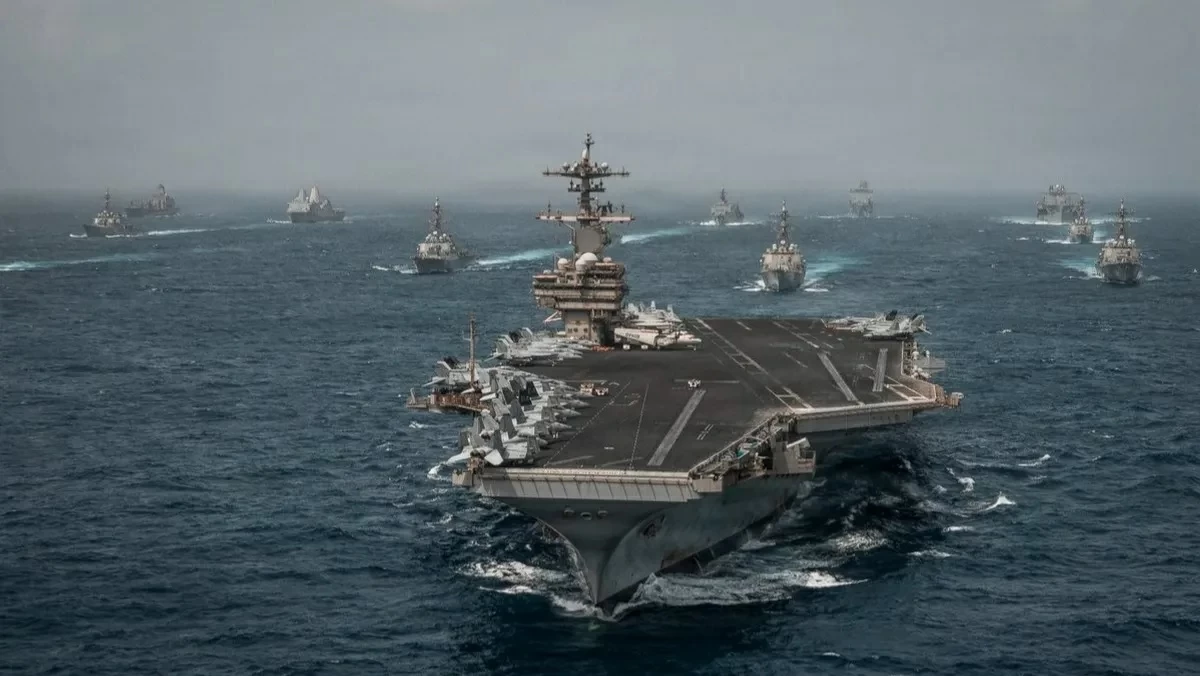
مدمرات وحاملة طائرات أمريكية قرب إيران .
--:--
«عكاظ»، وكالات (جدة) okaz_online@
يشهد التصعيد العسكري بين الولايات المتحدة وإيران مرحلة خطيرة بعد انهيار وقف إطلاق النار، وسط تحذيرات من أن استمرار المواجهة قد يقود إلى حرب يصعب على الطرفين احتواؤها، رغم أن كلاً منهما يواجه كلفة اقتصادية وسياسية مرتفعة تحول دون تحمل صراع طويل، بحسب ما أوردت صحيفة «نيويورك تايمز».
اتساع دائرة الضربات المتبادلة
وأشارت إلى أنه خلال الأيام الأخيرة، اتسعت دائرة الضربات المتبادلة لتشمل أهدافاً تتجاوز المواقع العسكرية، إذ تعرضت منشآت للمياه والتحلية لأضرار، ما يهدد إمدادات الكهرباء والمياه في بعض مناطق الخليج، بالتزامن مع اضطراب الملاحة في مضيق هرمز وإعادة الولايات المتحدة، بفرض حصار بحري على الموانئ الإيرانية.
وشنت واشنطن غارات على طرق وبنى تحتية في جنوب إيران، أسفرت عن سقوط مدنيين وأثارت تكهنات بشأن احتمال تمهيدها لعملية برية. وفي المقابل، استهدفت إيران قوات أمريكية في الأردن، ما أدى إلى مقتل جنديين أمريكيين وإصابة العشرات، في تطور رفع الكلفة البشرية للصراع وزاد الضغوط على إدارة الرئيس دونالد ترمب.
الوصول إلى لحظة حاسمة
واعتبرت الباحثة في المجلس الأوروبي للعلاقات الخارجية إيلي جيرانمايه، أن الطرفين وصلا إلى «لحظة حاسمة»، فإما العودة إلى المسار الدبلوماسي أو الانزلاق إلى مستوى من التصعيد يتجاوز السيطرة، محذرة من أن استهداف البنية التحتية قد يوسع رقعة الحرب ويزيد معاناة المدنيين، خصوصا مع تهديد إيران باستهداف منشآت الطاقة الخليجية إذا تعرضت لضربات أشد.
وأكد محللون أن التصعيد يحمل أثماناً كبيرة للطرفين، فالاقتصاد العالمي لا يزال يعاني تداعيات الهجوم الأمريكي الإسرائيلي على إيران، فيما قد تؤثر الحرب سلباً على حلفاء ترمب في انتخابات التجديد النصفي.
أما إيران، التي كانت تواجه أوضاعاً اقتصادية صعبة قبل اندلاع القتال، فتواجه حالياً أزمة أكثر حدة بسبب الدمار والعقوبات والحصار البحري.
استنزاف وسباق مع الزمن
وعلى الرغم من ذلك، يرى خبراء أن هذه الضغوط قد تدفع الجانبين إلى تكثيف الهجمات لتحسين موقعيهما التفاوضيين. ووصف الباحث حميد رضا عزيزي الصراع بأنه تحول إلى «حرب استنزاف وسباق مع الزمن»، متسائلاً عما إذا كانت الأضرار الاقتصادية داخل إيران ستتفاقم بوتيرة أسرع من تأثير اضطرابات مضيق هرمز على أسواق الطاقة العالمية.
وفي الداخل الإيراني، بدأت تتصاعد الأصوات الرافضة للحرب، بعدما وقع 268 شخصية عامة عريضة بعنوان «لا للحرب». ويرى الباحث أميد ميماريان أن الحكومة ستجد صعوبة في إقناع الإيرانيين بمواصلة القتال في ظل تدهور الأوضاع المعيشية، معتبراً أن الهجمات الإيرانية الأخيرة تهدف بالأساس إلى الحفاظ على موقع طهران في أي مفاوضات قادمة، لكنها قد تدفع واشنطن إلى مزيد من التصعيد.
تقويض قدرات إيران العسكرية
من جانبه، يرجح الباحث فرزان ثابت أن إدارة ترمب تسعى خلال الأسابيع القادمة إلى تقويض القدرات العسكرية الإيرانية أو الحد من سيطرتها على مضيق هرمز، لكنه يشكك في قدرة أي تصعيد أمريكي منفرد على تغيير حسابات طهران. وأشار إلى أن خيار الغزو البري رغم تداوله، ينطوي على مخاطر كبيرة تتعلق بالخسائر البشرية وطبيعة المواجهة، ما يجعل تنفيذه مستبعداً في المدى القريب.
ويعتقد الخبراء أن المرحلة القادمة ستظل شديدة الحساسية، إذ إن أي خطأ في الحسابات العسكرية قد يدفع الطرفين إلى مواجهة أوسع، ويؤخر فرص العودة إلى طاولة المفاوضات.
The military escalation between the United States and Iran is witnessing a dangerous phase following the collapse of the ceasefire, amid warnings that continued confrontation could lead to a war that both sides may find difficult to contain, despite both facing high economic and political costs that prevent them from enduring a prolonged conflict, according to the New York Times.
Widening Circle of Mutual Strikes
It noted that in recent days, the circle of mutual strikes has expanded to include targets beyond military sites, as water and desalination facilities have been damaged, threatening electricity and water supplies in some areas of the Gulf, coinciding with disruptions in navigation in the Strait of Hormuz and the United States re-imposing a maritime blockade on Iranian ports.
Washington has conducted airstrikes on roads and infrastructure in southern Iran, resulting in civilian casualties and raising speculation about the possibility of paving the way for a ground operation. In response, Iran targeted American forces in Jordan, leading to the deaths of two American soldiers and injuries to dozens, in a development that raised the human cost of the conflict and increased pressure on President Donald Trump's administration.
Reaching a Critical Moment
Researcher Ellie Geranmayeh from the European Council on Foreign Relations considered that both sides have reached a "critical moment," where they must either return to the diplomatic path or slip into a level of escalation that exceeds control, warning that targeting infrastructure could widen the scope of war and increase civilian suffering, especially with Iran threatening to target Gulf energy facilities if subjected to harsher strikes.
Analysts confirmed that the escalation carries significant costs for both sides, as the global economy continues to suffer the repercussions of the American-Israeli attack on Iran, while the war could negatively impact Trump's allies in the midterm elections.
As for Iran, which was facing difficult economic conditions before the outbreak of fighting, it is currently facing a more severe crisis due to destruction, sanctions, and maritime blockade.
War of Attrition and Race Against Time
Despite this, experts believe that these pressures may push both sides to intensify attacks to improve their negotiating positions. Researcher Hamid Reza Azizi described the conflict as having turned into a "war of attrition and a race against time," questioning whether the economic damages within Iran will escalate faster than the impact of disruptions in the Strait of Hormuz on global energy markets.
Within Iran, voices opposing the war have begun to rise, as 268 public figures signed a petition titled "No to War." Researcher Omid Memarian believes that the government will find it difficult to convince Iranians to continue fighting amid deteriorating living conditions, considering that the recent Iranian attacks primarily aim to maintain Tehran's position in any upcoming negotiations, but they may push Washington towards further escalation.
Undermining Iran's Military Capabilities
For his part, researcher Farzan Sabet suggests that the Trump administration is seeking in the coming weeks to undermine Iran's military capabilities or limit its control over the Strait of Hormuz, but he doubts the ability of any unilateral American escalation to change Tehran's calculations. He pointed out that the option of a ground invasion, despite being discussed, carries significant risks related to human losses and the nature of the confrontation, making its implementation unlikely in the near term.
Experts believe that the coming phase will remain highly sensitive, as any miscalculation in military assessments could push both sides towards a wider confrontation and delay the chances of returning to the negotiating table.
Original source: Okaz



Comments (0)
Be the first to comment.