Fallout of US Strikes.. Iran Issues Urgent Appeal to Citizens

Iran's Ministry of Energy called on citizens to reduce the use of air conditioning units in an attempt to ease the pressure on the power grid and restore stability to southern regions, after vital lines and facilities were damaged by recent US strikes.
The appeal came as power outages continued in Bandar Abbas and surrounding areas, coinciding with a severe heat wave during which temperatures in some southern provinces exceeded 50 degrees Celsius, doubling the need for cooling devices and increasing pressure on the damaged grid.
Local reports confirmed that the provinces of Hormozgan, Bushehr, and Khuzestan are facing repeated electricity and water outages amid harsh climatic conditions.
Authorities asked residents to turn off air conditioning units for one hour during peak consumption times, which extend from late morning to evening, in order to conserve energy and redirect it to areas whose networks have suffered direct damage.
According to reports, power was restored to some neighborhoods, while outages continued in areas where electricity infrastructure and transmission lines were hit, especially around Bandar Abbas.
Raids on Bandar Abbas
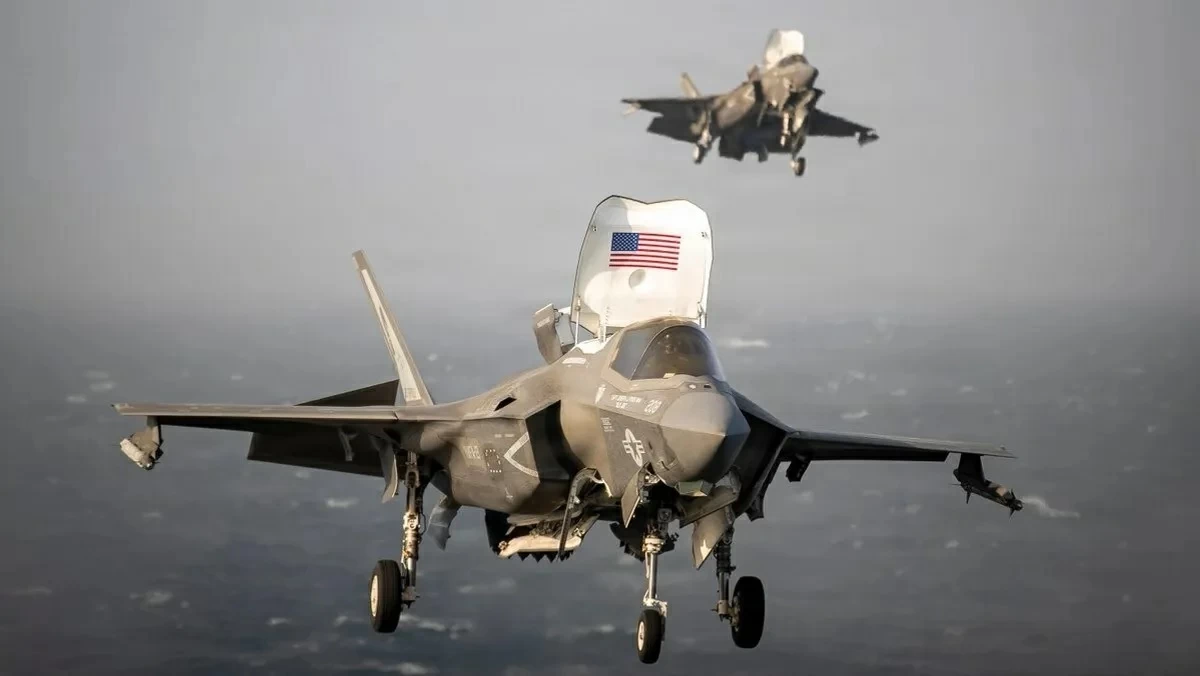
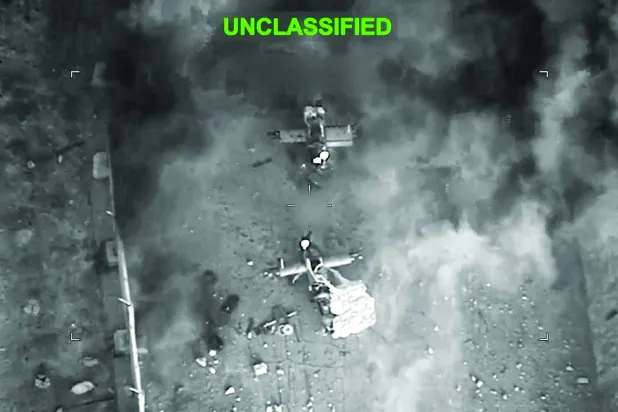
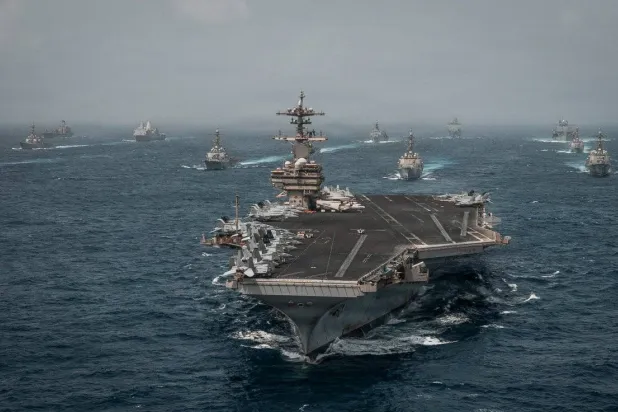
US forces have intensified their strikes on sites and facilities in Bandar Abbas, which houses naval bases and key military installations near the Strait of Hormuz.
The raids also targeted a major bridge connecting the city to inland areas, as part of a campaign that Washington says aims to undermine Iran's ability to threaten commercial ships.
Related News
Iranian media reported power outages and damage to roads and facilities in the city, while US Central Command announced it would continue striking sites linked to Iranian missiles, drones, and coastal defenses.
The call to turn off air conditioners reveals the impact of the shift in military operations from targeting bases and launch pads to striking infrastructure that cities rely on in their daily lives.
In sweltering southern Iran, power outages are not merely a disruption of services but a direct danger to residents, especially children, the elderly, and the sick, as homes and hospitals rely heavily on cooling systems.
At the same time, Tehran is seeking to use civilian suffering to portray the US strikes as a war affecting Iranians' daily lives, while Washington says its operations target military capabilities and supply lines that Iran uses to threaten navigation in the Strait of Hormuz.
Original source: Sky News Arabia



Comments (0)
Be the first to comment.