US Official: We Will Oversee Israel's Withdrawal from 'Pilot Areas' in Lebanon

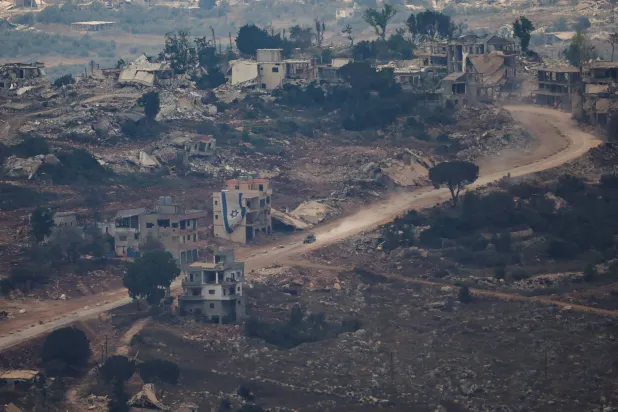
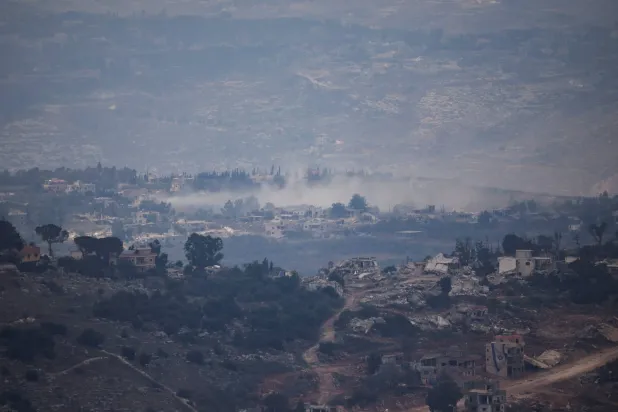
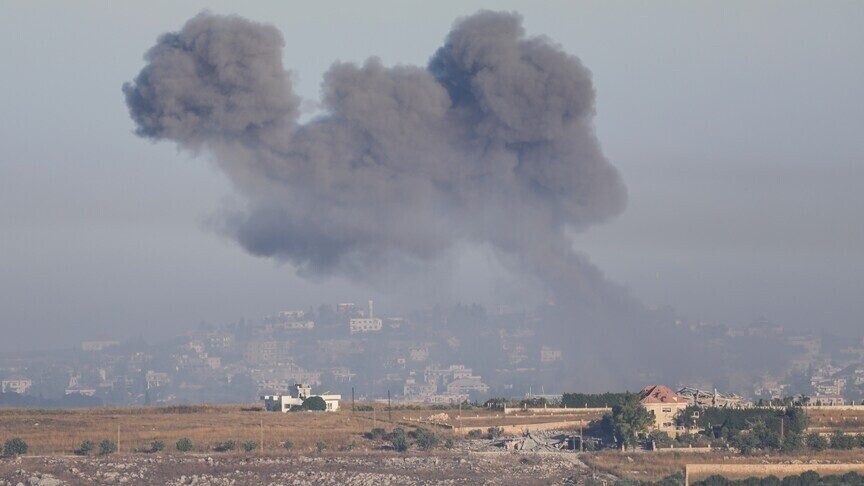
Lebanese and American sources reported Thursday that a US military delegation will oversee the beginning of Israel's withdrawal from two 'pilot areas' in southern Lebanon, in implementation of the framework agreement aimed at ending the war.
The Lebanese presidency announced that President Joseph Aoun was informed by US Ambassador Michel Issa that the military delegation will arrive soon in Lebanon to oversee the start of this withdrawal, in implementation of the agreement.
In Washington, a US official said: 'We are now in the implementation phase of the framework.' He added, 'The first pilot area will be launched within days, and maps for additional pilot areas are currently being drawn up and planned.'
He explained that the US Central Command (CENTCOM) will coordinate on this matter with the two countries. He added: 'We will soon begin communicating with international partners to effectively help the Lebanese government restore its sovereignty in these areas and across the country more broadly.'
Lebanon and Israel signed a framework agreement in Washington on June 26, which specifically called for the disarmament of Hezbollah and a gradual Israeli withdrawal from southern Lebanon, with the Lebanese army to deploy there starting from two 'pilot' areas.
According to a presidency statement, Issa informed Aoun that 'preparations are underway to implement what was agreed upon regarding the pilot areas, and that a US military delegation will arrive in Beirut within days to coordinate and determine the implementation mechanism on the ground.'
Issa stressed that 'it is necessary to avoid any vacuum upon the withdrawal of Israeli forces,' explaining that the implementation date will be determined in light of 'the results of coordination meetings.'
Lebanon demands that Israel withdraw from two pilot areas in the south of the country to agree to participate in the negotiation round scheduled for next week in Rome, according to a diplomatic source familiar with the negotiations who spoke to AFP on Wednesday.
Aoun for his part stressed 'the need to consolidate the ceasefire in the south and pressure Israel to halt military operations and adhere to what was stipulated' in the agreement.
The agreement does not set a timeline for withdrawal from southern Lebanon, while Israel repeatedly states, through its officials, that its forces will not withdraw from a security zone ten kilometers deep along its border until after Hezbollah's disarmament, a step analysts doubt the Lebanese state's ability to achieve.
Hezbollah refuses to hand over its weapons and engage in direct negotiation with Israel and its outcomes, and relies on its backer Iran to stop the war.
An agreement signed by Washington and Tehran to end their war in the Middle East, including in Lebanon, established a ceasefire, days before the signing of the framework agreement between Lebanon and Israel.
The next round of negotiations is scheduled to be held in Rome on the 15th and 16th of this month, at the request of Washington, which hosted the first five rounds. Lebanon has not yet officially confirmed its participation.
The next round of negotiations takes place days before an expected visit by Aoun to Washington at the invitation of his US counterpart Donald Trump, which the Lebanese presidency said Thursday would take place during the last week of this month.
Ad material
Ad material
Original source: Al Arabiya



Comments (0)
Be the first to comment.