Yemen before Security Council: Iranian flights to Sanaa are a violation of sovereignty and a challenge to its resolutions

Yemen told the UN Security Council that an Iranian flight to Houthi-controlled Sanaa was a serious sovereignty violation and a direct challenge to UN resolutions, urging the Council to investigate and enforce sanctions.
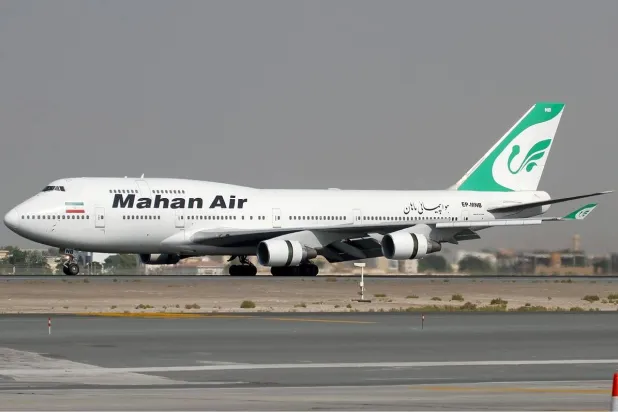
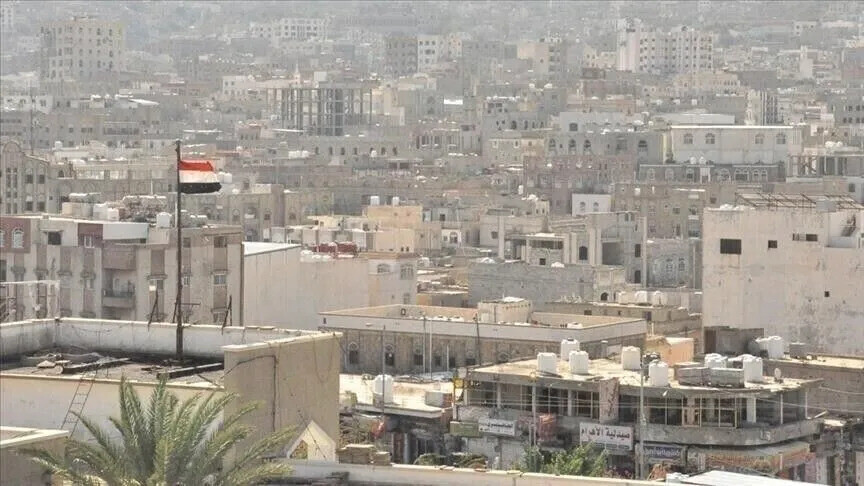
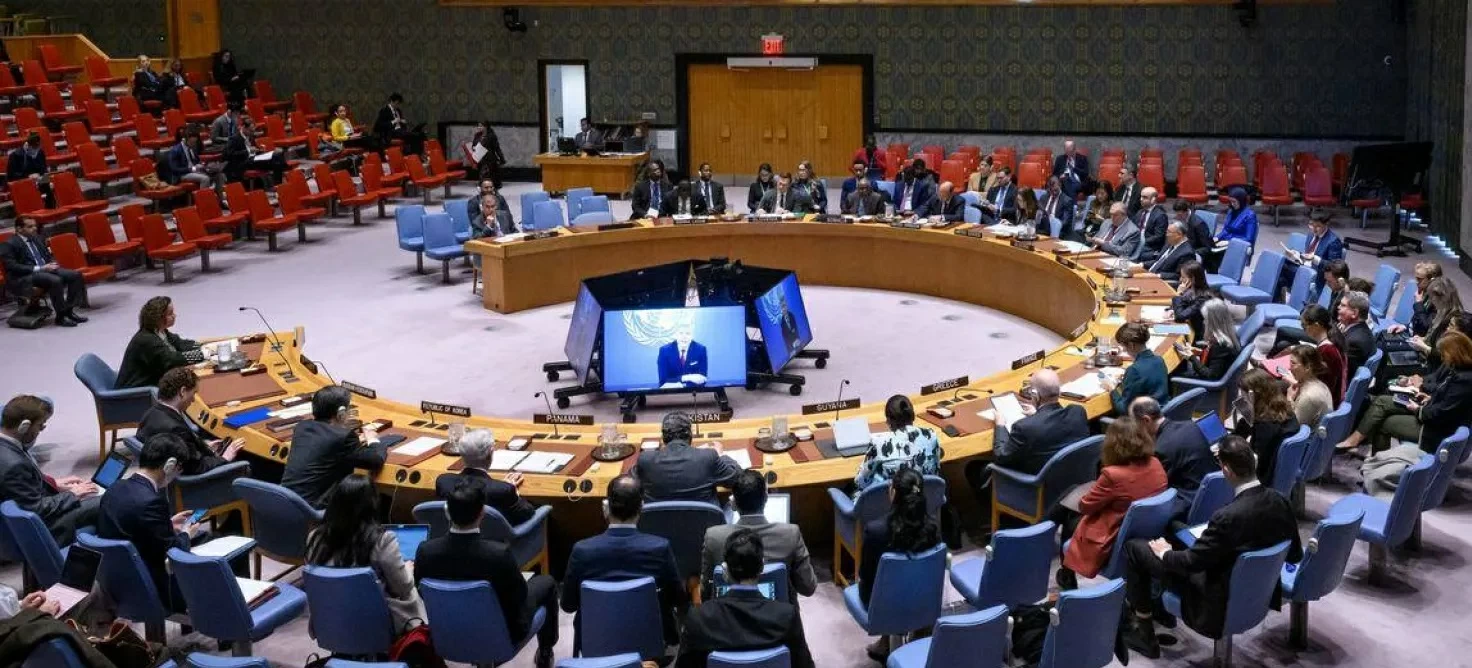
The Republic of Yemen, during an emergency session of the UN Security Council in New York, affirmed that the direct flight operated by the Iranian airline 'Mahan Air' to Sanaa airport, which is under the control of the Houthi militia, is not a humanitarian operation as the militia claims, but rather a serious violation of Yemeni sovereignty and a blatant challenge to Security Council resolutions.
These developments come amid continued Iranian support for the Houthis, further complicating the Yemeni crisis and deepening challenges to a political solution.
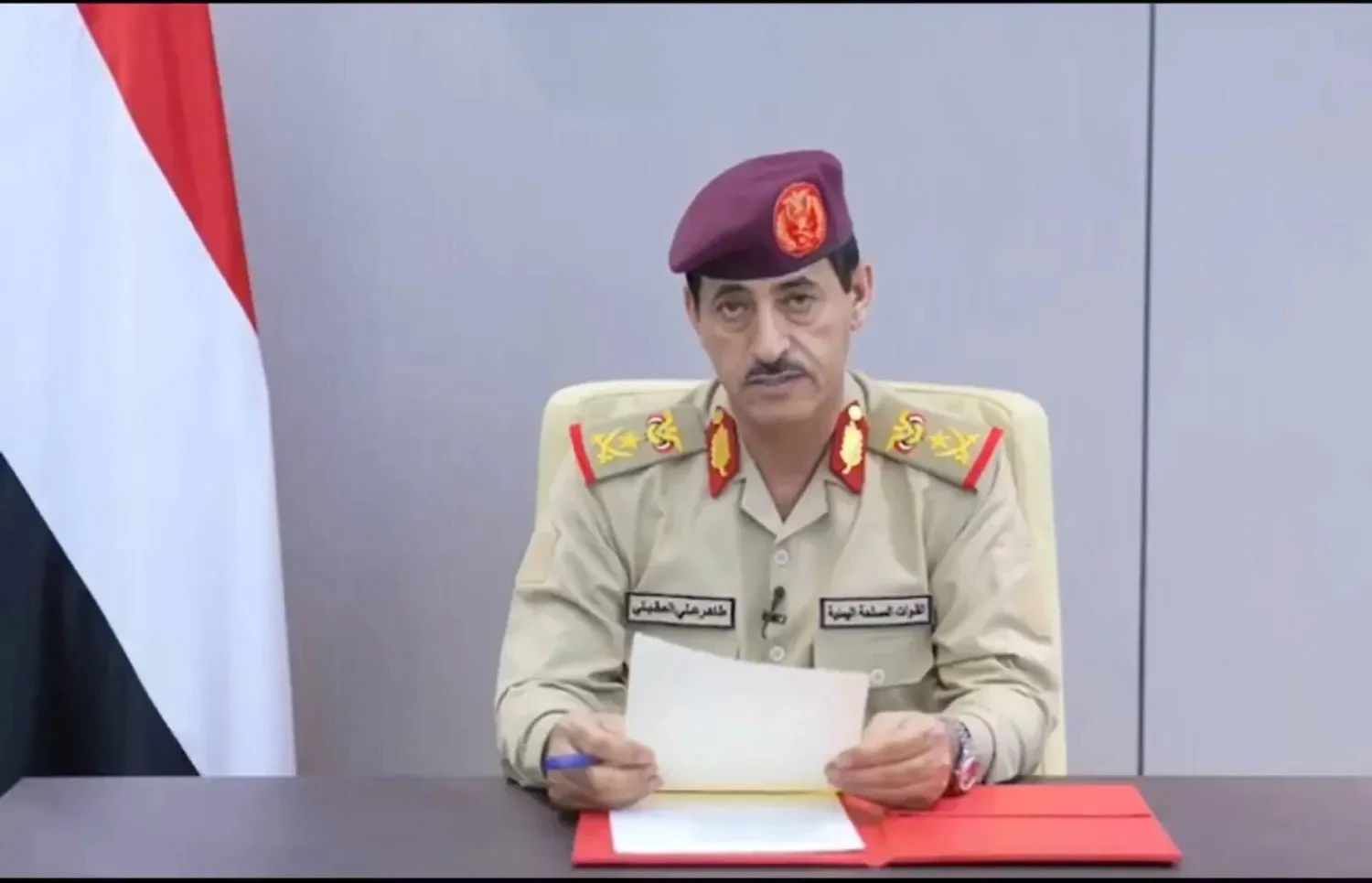
Yemen's Permanent Representative to the United Nations, Ambassador Abdullah al-Saadi, delivered his country's statement during the emergency session convened in response to the Yemeni government's request, stressing that the flight was conducted without permission or coordination with the competent Yemeni authorities, and contrary to international rules governing aviation over the airspace of sovereign states.
The statement revealed that documented information held by the Yemeni government indicates that the flight was not purely civilian in nature, but was linked to the transport of personnel, expertise, and equipment of a military or dual-use nature, affirming that the government reserves the right to submit the evidence it possesses to the Sanctions Committee and the Panel of Experts on Yemen.
The statement pointed out that 'Mahan Air' is not an ordinary civilian airline, as its name has been associated with providing logistical support to the Iranian Revolutionary Guard, and it has been subject to international sanctions for transporting military personnel and equipment to several conflict zones.
The Yemeni government warned that the seriousness of this incident lies not only in the details of the flight itself, but in the political message it seeks to entrench, namely an attempt to impose a new reality that bypasses Yemeni state institutions and tests the international community's will to enforce its resolutions.
The statement affirmed that the Houthi militias, with Iranian support, proceeded to operate a second unauthorized flight to Sanaa airport despite the clear warnings issued by the Yemeni government, in a new challenge to national sovereignty and binding Security Council resolutions.
The government stated that it chose not to escalate the military confrontation after assessing the security and political situation, in order to protect civilian lives and avoid giving the Houthis and their allies a pretext to drag the country into a regional conflict.
The Republic of Yemen demanded that the Security Council take a number of measures, most notably: explicitly condemn the unauthorized Iranian flights, demand that Iran cease operating flights to Yemeni airports without the approval of the legitimate government, and task the Sanctions Committee with investigating whether the flight involved transporting personnel or equipment in violation of arms embargo resolutions.
It also called for strict enforcement of UN Security Council Resolutions 2140 (2014) and 2216 (2015), strengthening mechanisms to prevent arms and expert smuggling to the Houthi militias, and continuing support for the Yemeni government in its efforts to restore state institutions and achieve peace based on regionally and internationally agreed references.
The statement noted the Houthis' refusal to implement the latest prisoner exchange agreement, which was scheduled under the supervision of the United Nations and the International Committee of the Red Cross, on time, demonstrating their ongoing exploitation of humanitarian issues for political and military goals at the expense of thousands of Yemeni families.
The Republic of Yemen concluded its statement by emphasizing that the Security Council's position would not be a defense of Yemen's sovereignty alone, but a defense of a fundamental principle underlying the international system: that the sovereignty of states must not be violated and that its resolutions must not be circumvented without accountability.
This escalation tests the seriousness of the international community in implementing its resolutions, especially given the Houthis and Iran's disregard for previous warnings. Additionally, the Houthis' refusal to implement the detainee exchange agreement reflects their exploitation of the humanitarian file for political gains. The Yemeni government appears committed to the option of diplomatic pressure while keeping other options open.
Original source: Sabq

Comments (0)
Be the first to comment.