5 Factors That Made the World Cup Final Dull
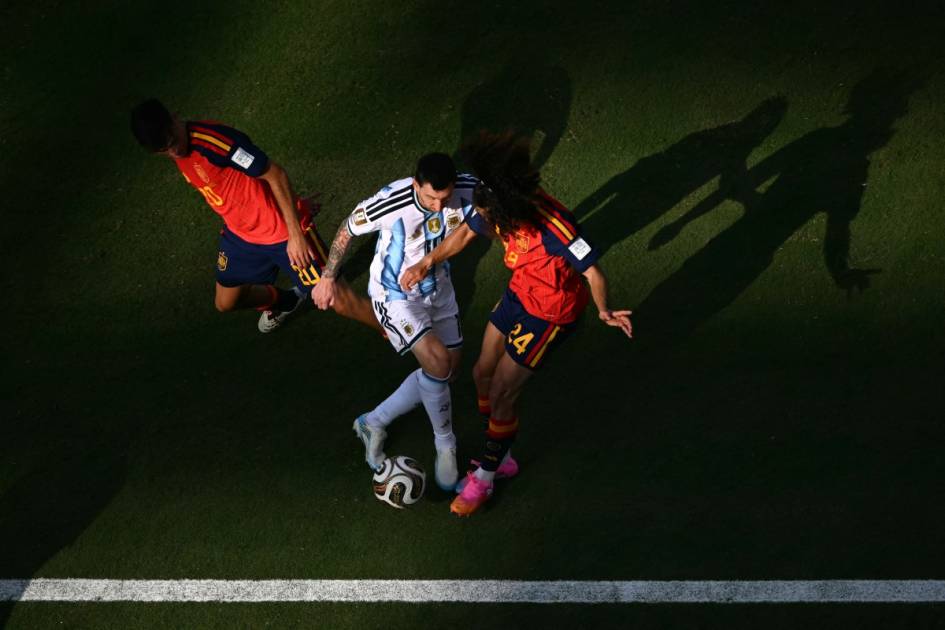
Summary: Spain's second World Cup title came in a final that lacked rhythm and excitement, as tactical approaches, weather, pitch conditions, and frequent stoppages combined to produce a match that fell short of expectations.
After a World Cup full of color and excitement, the final between Spain and Argentina will not linger long in memory.
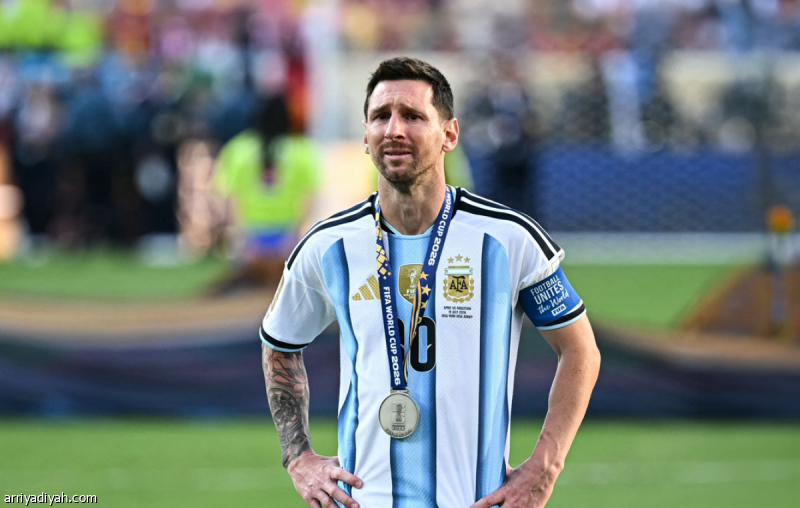
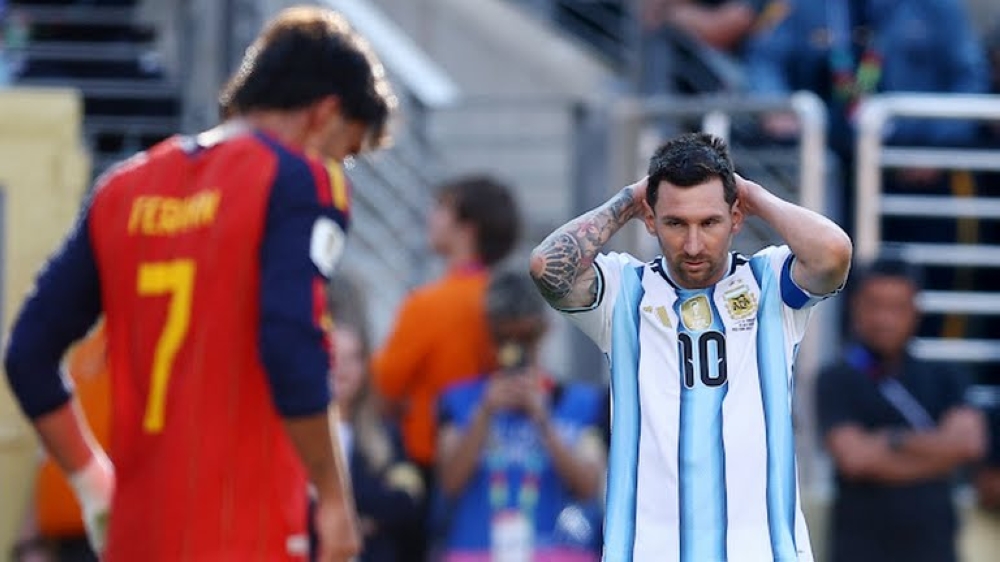
Spain won the World Cup for the second time in its history after a Ferran Torres goal in extra time gave them the second star, while Argentina offered little, as it seemed Lionel Messi and the defending champions had finally reached the end of the road.
The Teams' Styles
Spain loves possession and seeks to impose control through precise passes, though some call this style 'boring.'
Argentina, on the other hand, tends to commit fouls, waste time, and disrupt the game's rhythm, willing to do whatever it takes to win, until one of its stars—often the greatest player in history, Lionel Messi—makes the difference, though some consider this style 'dirty.'
When you combine 'boring' with 'dirty,' as two phrases used elsewhere, the result is not an ideal mix. Added to that, both teams were playing their eighth match in an exhausting tournament, with signs of fatigue more evident on Argentina after a series of comebacks in the knockout stages.
That did not help the final, as Argentina resorted to more fouls, resulting in Enzo Fernández being sent off just before extra time. Argentina did not have a single shot on goal before Ferran Torres opened the scoring for Spain, after the team had offered very little entertainment until it was far too late.
When Argentina finally arrived in the match, their tournament ended shamefully, with Leandro Paredes sent off after the final whistle for attacking Spain's Eric García and Gavi. The post-match clashes did nothing to save a final that was this bad.
Organizational Stoppages and Halftime Show
The final started six minutes late due to a strange speech by Tom Cruise, which wasn't great, but seemed minor compared to the 27-minute delay between the end of the first half and the start of the second. FIFA had informed both teams before the final that the halftime show would take about 20 minutes, but the actual delay was much longer, meaning FIFA itself exceeded its regulations. The laws of the game state that 'the halftime interval must not exceed 15 minutes.'
Appearing on BBC, former England captain Wayne Rooney expressed what was probably everyone's opinion when he described the halftime show as 'bad.'
Read more
Between 'Kings of the World' and Messi's tears... What did Spanish and Argentine newspapers say about the final?
Tragic incident overshadows Spain's World Cup celebrations
But after the break, Spain produced one of its best periods in the match, creating several chances and dangerous situations. However, the match faced another stoppage due to the second water break.
We may have become accustomed to these three-minute stoppages throughout the tournament, but they do not help matches that desperately need rhythm and flow. No one will miss them.
Dry and Uneven Pitch
Concerns about the condition of the New York New Jersey Stadium pitch were raised weeks ago, and Brazil star Vinícius Júnior said after the 1-1 draw with Morocco: 'Because of the weather and heat, the grass dries quickly, making the match very slow.' Does that sound familiar?
On ITV, Ian Wright led criticism of the final's pitch after the first half ended goalless, describing it as 'ridiculous, bad, and poor,' as well as 'uneven and dry,' conditions far from ideal for smooth attacking football and flowing individual skills.
Weather and Match Timing
There is no doubt that scheduling the match at 3 PM Eastern Time in New Jersey (8 PM UK time) was out of consideration for the European television market, as well as local and South American audiences.
However, playing the match at the hottest part of the day (27°C) was not in the players' interest either. The New York New Jersey Stadium is a large open facility directly exposed to the elements, unlike the semifinal venues at Mercedes-Benz Stadium in Atlanta and the Dallas Stadium in Texas, which have giant retractable roofs and benefit from air conditioning.
Nature of Major World Cup Finals
True, this match was not on the level of the 2022 World Cup final between Argentina and France. But the reason that match is considered the greatest game in football history is that it took place under the suffocating constraints that the world's biggest sporting event typically imposes.
When the stakes are so high, the pressure enormous, and the difference between immortality and defeat so small, the result is rarely an exciting match. England's 6-4 win over France in the third-place match on Saturday evening would not have happened if it were a final.
Therefore, an exciting World Cup does not necessarily mean a final of the same level. In fact, this was a typical World Cup final, joining the list of tight finals like Germany's 1-0 extra-time win over Argentina in 2014, Spain's 1-0 extra-time win over the Netherlands in 2010, and Brazil's 0-0 draw with Italy before winning 3-2 on penalties in 1994.
Original source: Independent Arabia




Comments (0)
Be the first to comment.