After 27 Years, Kerr Breaks the Record
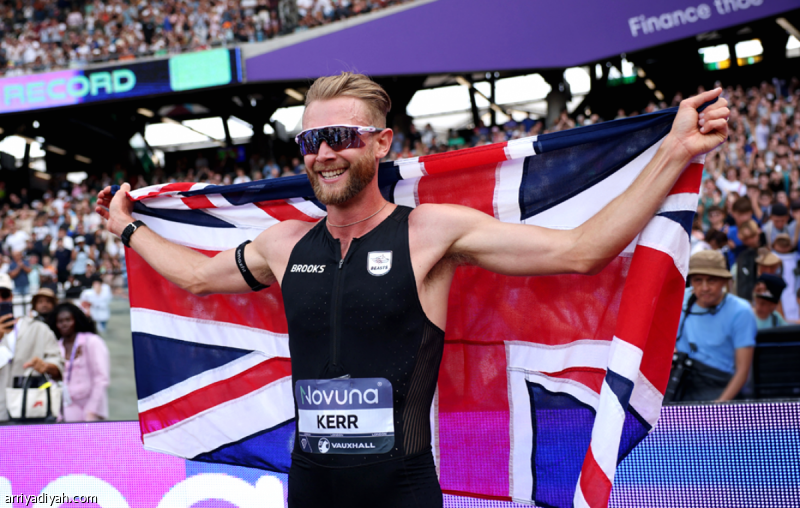
Scottish runner Josh Kerr etched his name into middle-distance history by breaking the world record in the mile at the London Diamond League meeting on Saturday. The 28-year-old Scottish athlete, who resides in the United States, clocked a time of 3 minutes 42.66 seconds on the London Olympic Stadium track, shattering the previous mark of 3:43.13, held by Morocco's Hicham El Guerrouj since his achievement in Rome in 1999—after 27 years. Kerr had structured his current season program with the aim of breaking the historic record…
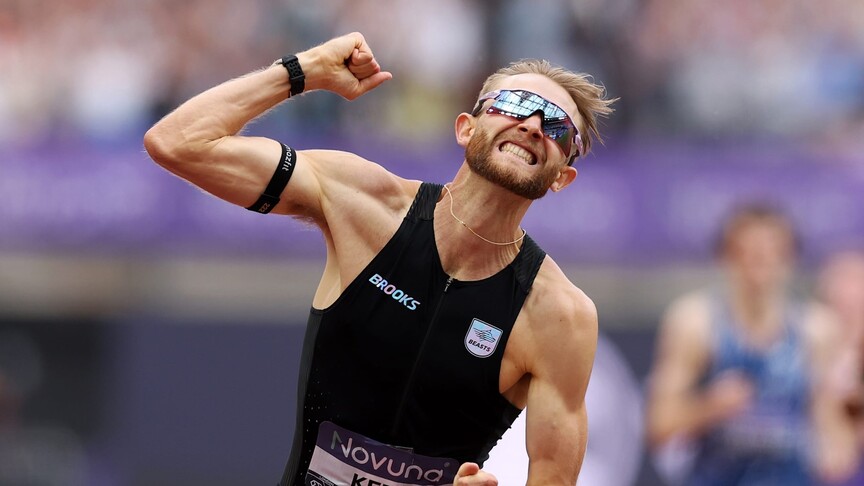
Scottish runner Josh Kerr entered the history of middle-distance races after breaking the world record for the mile during his participation in the London meeting of the Diamond League athletics series on Saturday. The 28-year-old Scottish athlete, who resides in the United States, recorded a time of 3 minutes and 42.66 seconds on the track of the London Olympic Stadium, shattering the previous record of 3:43.13 minutes, which had been held by Morocco's Hicham El Guerrouj since he achieved it in Rome in 1999—after 27 years. Kerr had built his program for the current season with the aim of breaking El Guerrouj's historic record, asserting before the race that his physical condition was capable of achieving this feat. The British record holder and silver medalist in the 1500m at the Paris Olympics entered the competition with a personal best of 3:45.34, which at the time placed him sixth on the all-time list of best mile runners. Kerr was aided in setting the pace by his training partner Brannon Kidder, along with Slovenia's Zan Rudolf, before he managed to break away in the final meters. American Yared Nuguse, the North American record holder and bronze medalist at the Paris Olympics, stayed close to Kerr until the last 200 meters, before the Briton decisively increased his speed in front of 60,000 spectators gathered at the stadium that hosted the 2012 London Olympics. After crossing the finish line, Kerr celebrated passionately, raising his fist in the air amid cheers from the crowd who stood to salute his historic achievement. Before El Guerrouj's dominance over the world record, Britain had a number of prominent mile runners, led by Roger Bannister, the first to break the four-minute barrier in 1954, followed by middle-distance legends Steve Ovett, Sebastian Coe, and Steve Cram, who dominated middle-distance racing between 1979 and 1993. At the conclusion of the event, Coe, President of World Athletics, presented Kerr with a check for $50,000, along with a book documenting the history of the greatest mile champions.
Original source: Arriyadiyah




Comments (0)
Be the first to comment.