After Losing the Title, 'Bad Loser' Tops Search Related to Messi and Argentina

After Losing the Title, 'Bad Loser' Tops Search Related to Messi and Argentina
Argentina's loss to Spain did not end with Ferran Torres' goal in the 106th minute of the 2026 World Cup final. Minutes after Spain sealed their second title, the debate on media and social networks shifted to the behavior of the Argentine players, with descriptions such as 'bad loser' and 'bad losers' spreading in English, Spanish, and Arabic.
This controversy followed a match whose statistics clearly reflected Spanish dominance. Spain made 20 shots compared to just two for Argentina, with 12 shots on target against zero. Argentina became the first team in World Cup final history to finish the 90 minutes without any shot, whether on or off target. Enzo Fernández was sent off before the end of regular time, and several Argentine players got into scuffles after the final whistle.
Google Trends data, covering July 19–20, 2026, shows that the phrase 'messi bad loser' topped the list of searches related to 'bad loser' worldwide, recording an interest score of 100. The phrase 'bad loser meaning' scored 90.
Google classified 'messi bad loser' under the 'Breakout' category, which the platform uses when search volume for a term increases by more than 5,000% compared to the previous period. The value of 100 does not represent the actual number of searches, but rather the highest relative interest within the specified period and region.
The search spike coincided with the spread of clips showing the altercation involving Leandro Paredes, Nahuel Molina, and several players from both teams. The footage showed Paredes pushing Gavi to the ground, then appearing to grab Eric García by the neck, while Molina attempted to strike Rodri. Paredes received a red card after the match, meaning Argentina ended the final with two send-offs.
Criticism extended to the award ceremony. Spain's players formed a guard of honor for Argentina as they received their silver medals, while several Argentine players turned their backs to the podium when the Spanish team went up to receive the trophy, then left the pitch after the celebrations began.
These scenes quickly made headlines. Goal.com used the descriptors 'classless' and 'embarrassing,' while Mexico's Excélsior ran the direct headline: 'Are Argentina Bad Losers?' referencing the hitting, pushing, and accusations after the match. The Sun titled its report 'Sore losers Argentina,' alluding to the players' refusal to watch Spain lift the cup.
On social platforms, phrases like 'sore losers' and 'bad losers' in English, 'malos perdedores' in Spanish, and expressions like 'bad losers' and 'poor acceptance of defeat' in Arabic posts were repeated. Most comments linked these descriptions to three scenes: the post-whistle brawl, the two red cards, and turning backs during the ceremony. One viral Instagram clip garnered over 18,000 likes and about 1,090 comments in its first hours.
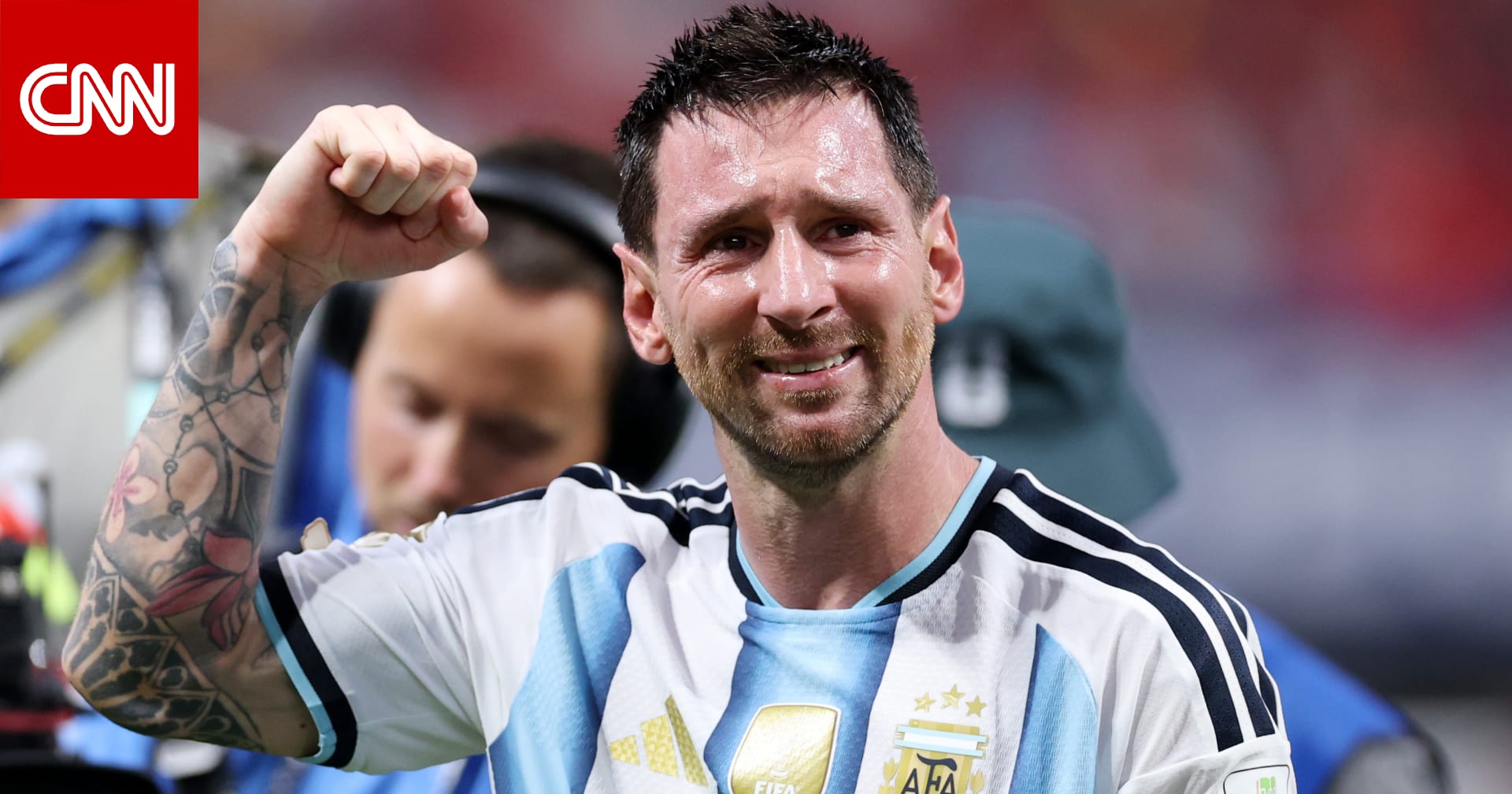
The recurrence of terms in multiple languages, their spread to newspaper headlines, and the spike in searches for 'messi bad loser' by over 5,000% confirm that 'poor acceptance of defeat' became a key talking point after the final. However, the wave involved some generalization about Lionel Messi. His name was linked to the fastest-rising search term, even though the clashes were led by his teammates. Reports praised Messi for shaking hands with Spanish players and avoiding violence, while direct criticism focused on Paredes, Molina, and others involved in the fight. Thus, Argentina left the final with two simultaneous losses: the loss of the title (1-0), and the loss of part of their sporting image in a global debate summed up by the phrase that topped searches: 'bad loser'.
Original source: Al-Riyadh



Comments (0)
Be the first to comment.