Tourist Influx Boosts Flights to the Red Sea
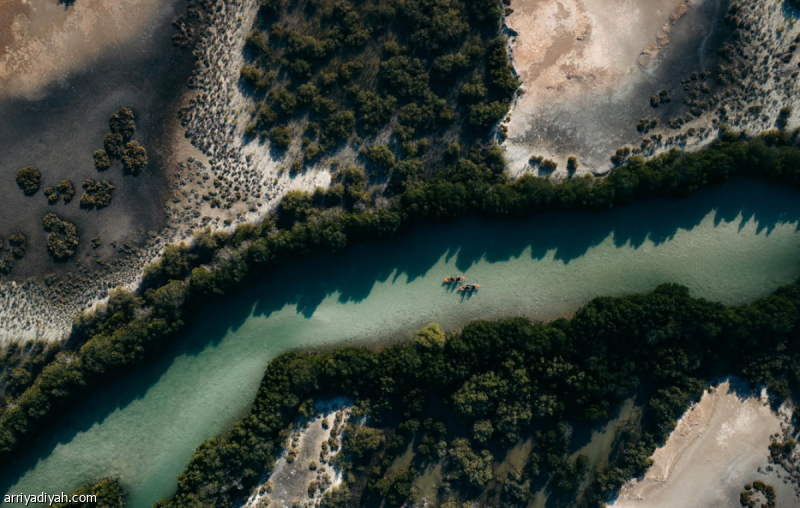
The rapid growth in the Red Sea tourism sector has forced an increase in the number of flights between Riyadh and the Red Sea by 11 flights from Riyadh and 4 from Jeddah weekly, starting next Wednesday, in a step that reflects growing demand for the destination more than just an operational expansion by the airline. The decision by Saudia comes after Red Sea destinations recorded occupancy rates exceeding 80 percent during the Eid al-Fitr holiday in 2026, an indicator of the transformation of the region as one of the leading tourist destinations in Saudi Arabia, supported by major tourism projects and the integration of government and private sector efforts to develop the tourism experience. The increase in seat capacity on this route reflects a direct response to the growing demand for Red Sea destinations, which have moved from the project launch phase to attracting increasing numbers of visitors from within Saudi Arabia and abroad. This momentum enhances the growing presence of the destination on the international stage, after Red Sea projects attracted attention from global institutions and platforms, most notably the inclusion of Shebara Resort on TIME magazine's list of the World's Greatest Places, an indicator of the growing status of the Red Sea as a global tourist destination, which has begun to reflect on travel movement and airline decisions to increase operational capacity. The Eid offers platform under the slogan 'About Two Eids' and the Saudi Summer offers launched under the title 'Offers Now and Later' contributed to providing diverse packages and experiences that encouraged more tourists to choose Red Sea destinations, along with promotional campaigns focused on highlighting natural features, luxury resorts, and marine activities. The integration between government entities, investors, and the tourism sector also played a pivotal role in raising the destination's readiness, through developing infrastructure, increasing the capacity of hotel facilities, and improving services provided to visitors, which was reflected in higher occupancy rates and sustained demand even after peak seasons.
Original source: Arriyadiyah
Comments (0)
Be the first to comment.