"An Unusual Decision" Cancels Norway's Goal... Haaland Pays the Price!
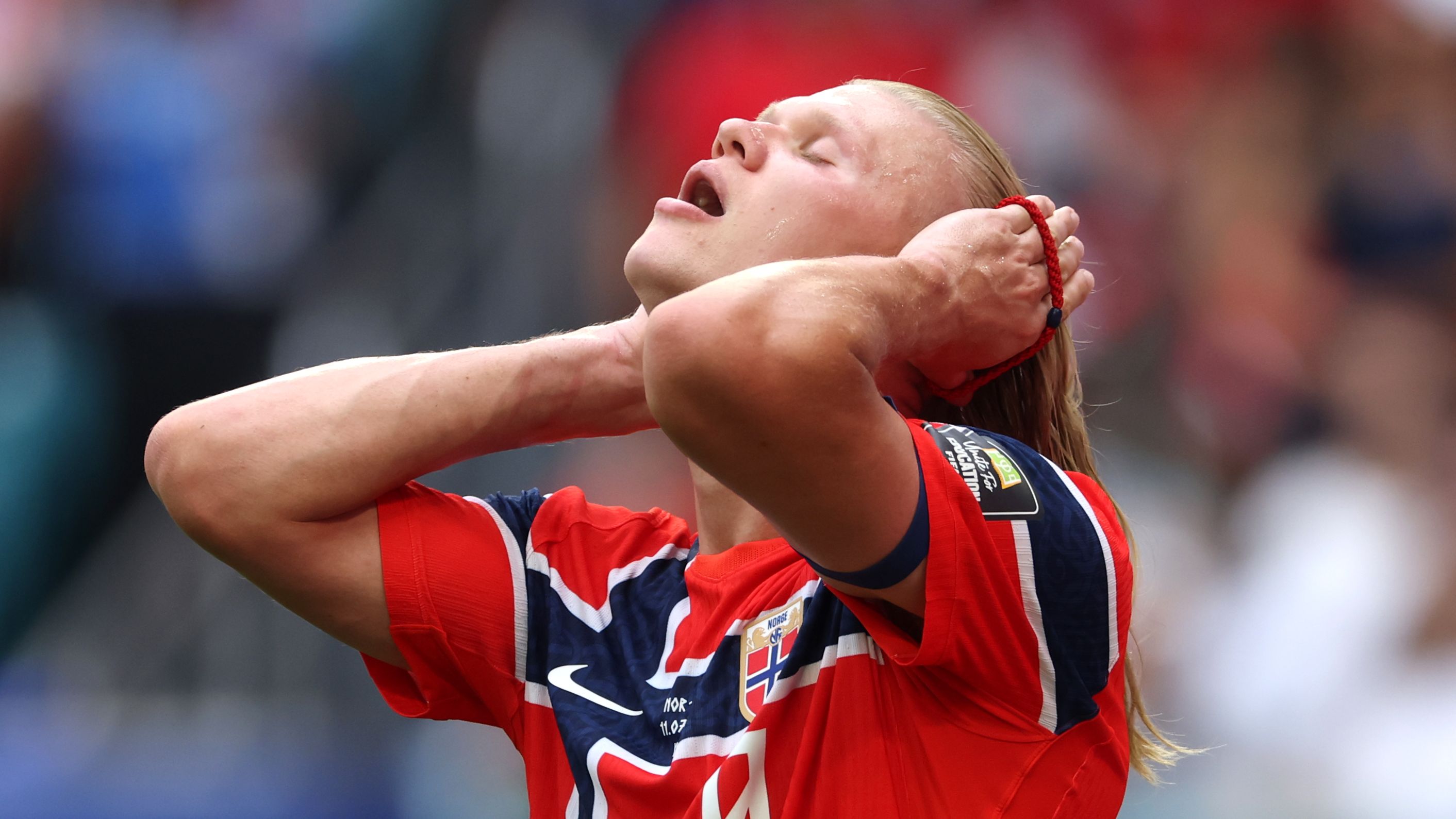
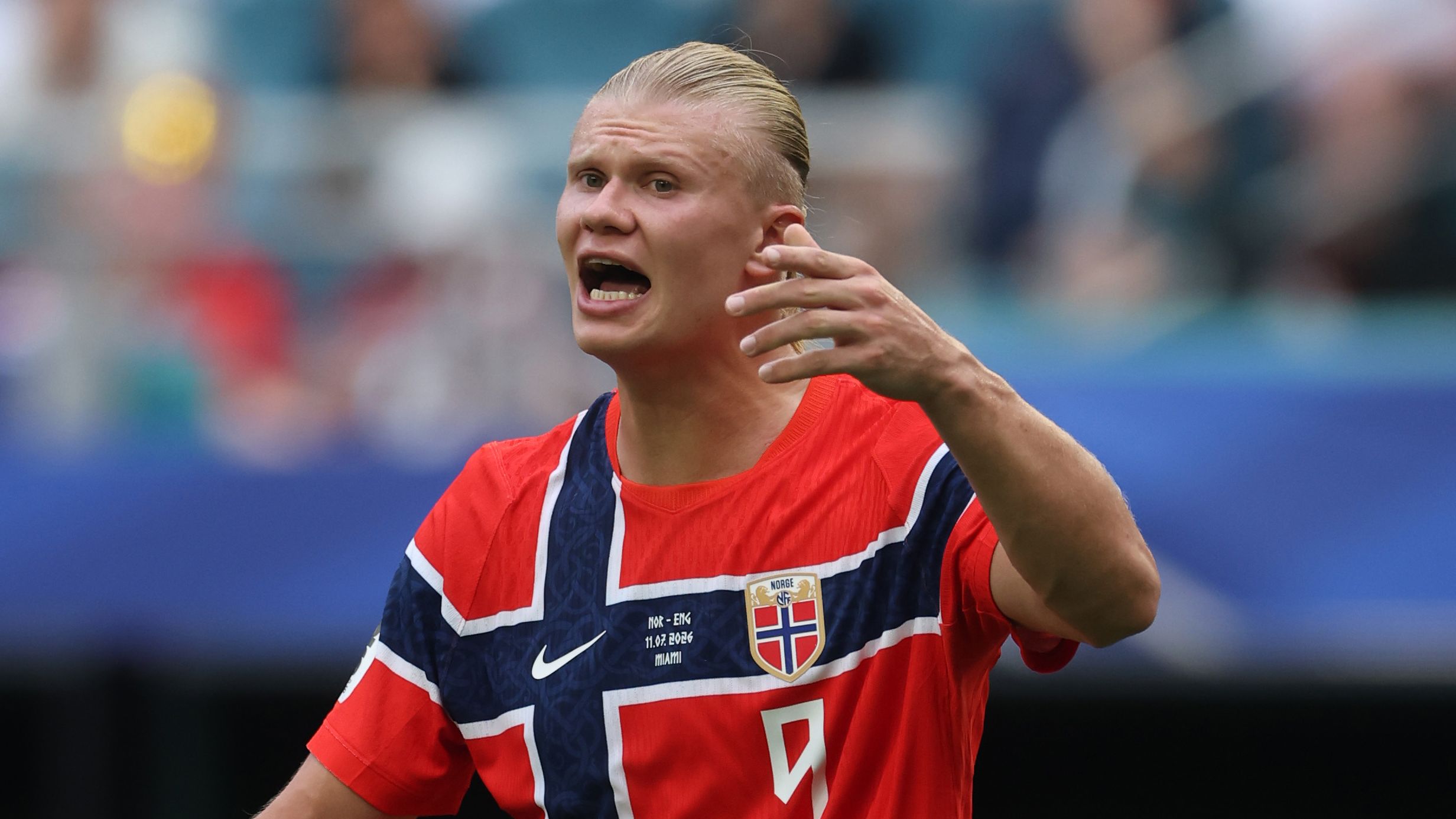
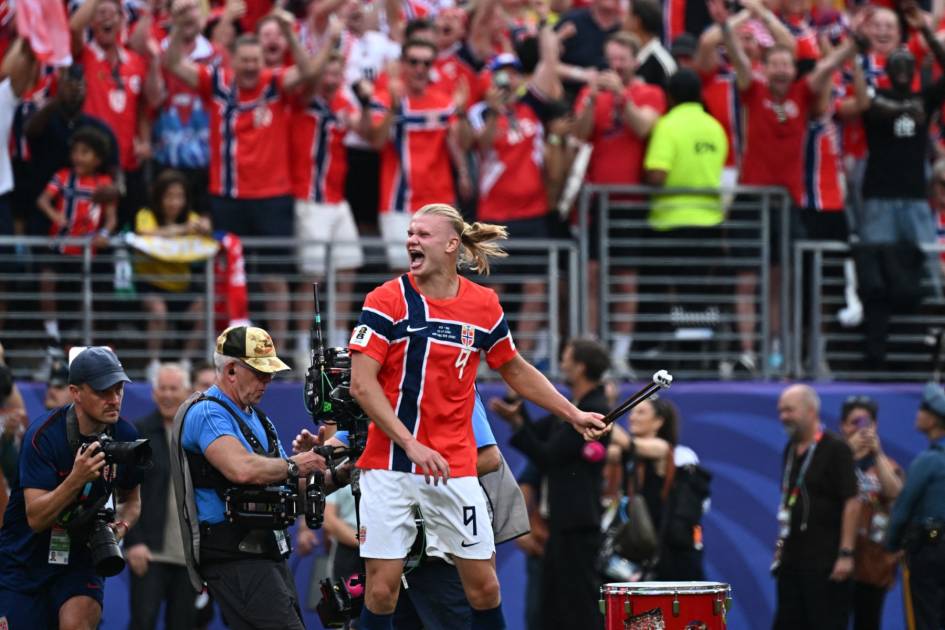
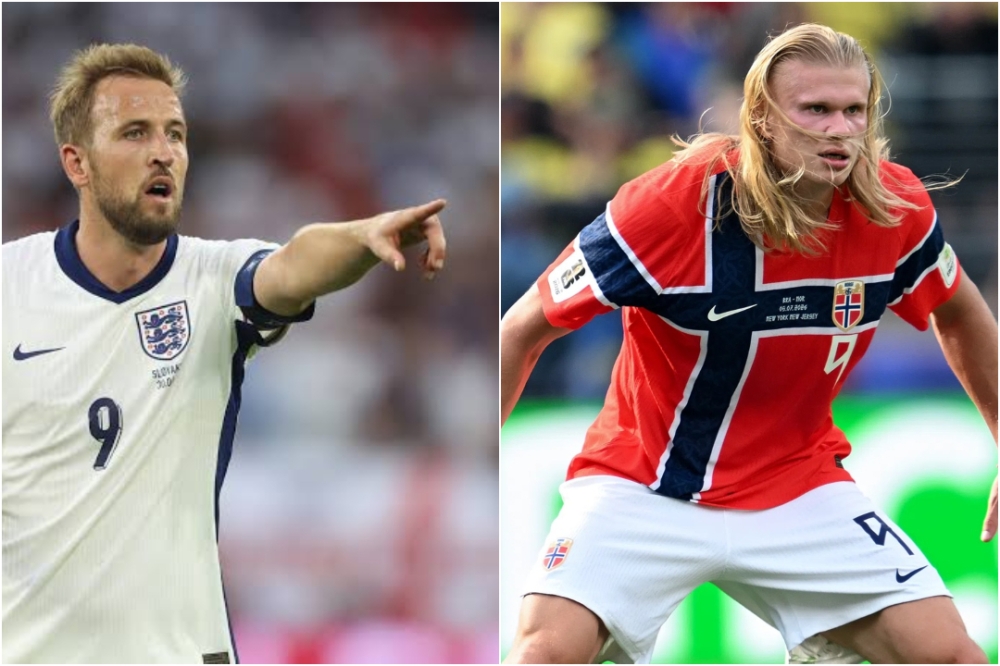
The joy of the Norwegian fans turned into shock in the 55th minute of the World Cup quarter-final match against England, when French referee Clément Turpin disallowed Torbjørn Heggem's goal that gave his country a 2-1 lead from a corner kick, after a VAR intervention that spotted a foul by Erling Haaland on Elliot Anderson before the kick was taken, in a strict application of the new rule changes.
The International Football Association Board (IFAB) announced before the start of the tournament its approval of clarifying the VAR protocol for use in the 2026 World Cup, regarding clear fouls committed by the attacking team before play resumes on corner kicks or free kicks, which directly affect the awarding of a goal, penalty kick, or disciplinary sanction.
The new rule stipulates that holding or pushing a defender inside the penalty area before the ball enters the field of play can be penalized, which is what happened when Haaland pushed Anderson, his future Manchester City teammate after the latter's move from Nottingham Forest for €135 million weeks earlier, in a scene that sparked widespread debate about the strictness of the application.
Corner kick retake... a new reality
In an unusual decision, after disallowing the goal, Turpin indicated that the corner kick should be retaken, in a literal application of the amendments approved by the IFAB, which state that if the foul meets the specified criteria, the VAR will recommend an on-field review, and if the referee decides that the foul occurred before play resumed, the appropriate disciplinary action will be taken and the kick will be retaken.
The Board added in its official statement that the clarification aims to address clear fouls that directly affect the outcome of play, in an attempt to achieve more fairness and transparency in refereeing decisions during crucial moments.
An 'Anti-Arsenal' Rule
In England, many interpreted this decision as an 'anti-Arsenal' rule, aimed at preventing the use of the famous screens that the Gunners team, led by manager Mikel Arteta, relies on, which have become key to highly effective set-piece play, as the London club has achieved great success through this tactical strategy in recent years.
This controversial decision is one of the most prominent refereeing developments in the current World Cup, putting referees and VAR under a more precise microscope than ever before, as the international federation seeks to balance preserving the spirit of the game and applying refereeing justice.
Original source: Kooora


Comments (0)
Be the first to comment.