Messi Was Absent and Argentina Was Absent.. and France from Peak to Bottom - Fahd Al-Mutaywi'

Finally, the curtain has fallen on the World Cup, that football gathering that fans eagerly await every four years, where the elite teams come together and different football schools meet in a festival like no other tournament. Despite the increase in the number of teams and some modifications to the tournament system, it retained much of its charm and appeal, although there remains a fear that commercial considerations may overshadow the technical aspect in the future, causing the tournament to lose some of the spirit and enjoyment that its fans have been accustomed to.
As for the final match, I will not say it was a perfect conclusion, because it did not rise technically to the level of a final of the biggest football tournament in the world, even though the Spanish team deserved the title wholeheartedly, after delivering a complete tournament crowned by an organized performance and a strong personality on the field.
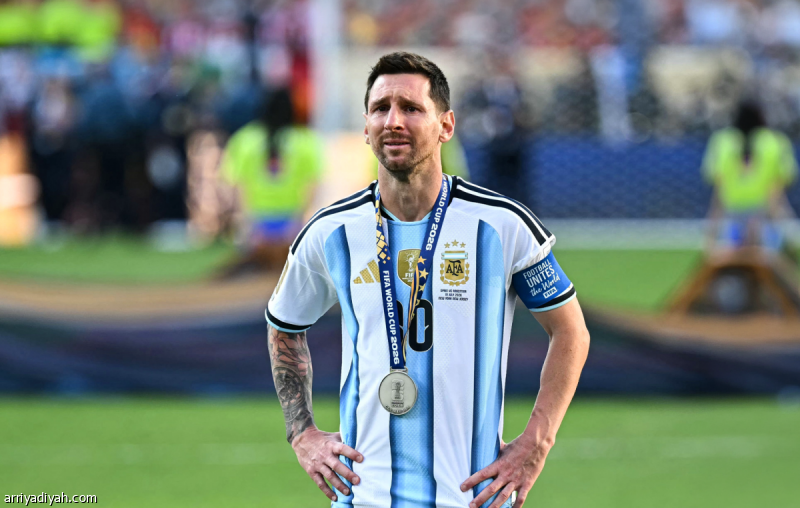
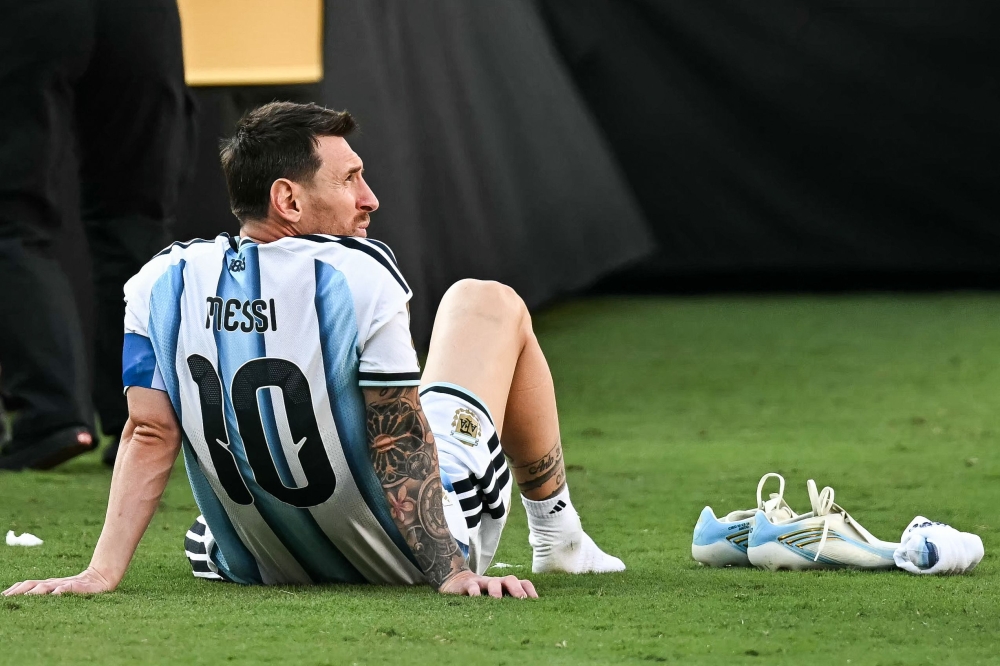
In contrast, Argentina appeared in a completely different form from what its fans were accustomed to. When Lionel Messi was absent, the extent of the impact on the team's performance was clear; the team was completely absent that night—no danger, no shots, nothing worth mentioning, in the absence of its leader and primary inspiration, as if the team had lost both its offensive and mental compass.
Messi carried his country's team on his shoulders for many years, making the difference in the most difficult moments, but time waits for no one, and every star has a date with the end. That is why Argentina, in many periods of the tournament, appeared as a team that struggled more than it created, fought more than it convinced, with players who had enthusiasm and desire but lacked the quality we were used to seeing in the generations of Diego Maradona, Mario Kempes, Gabriel Batistuta, and other legends who built the prestige of Argentine football.
As for France, it is another story worth pausing at. I expected, as many did, that they would have the final say after the great performances they put on since the start of the tournament. With a constellation of stars led by Kylian Mbappe, along with Olise, Dembele, and Doue, the French team had all the ingredients to climb to the podium, but they fell unexpectedly in the final meters, confirming that football does not recognize names alone, but rather those who handle decisive moments well.
And herein lies the greatest lesson from this edition of the World Cup: no team can build its ambition on a single player, no matter how great he is, and an abundance of stars does not guarantee success. In fact, it can sometimes become a burden if team spirit is absent or excessive confidence creeps into the players' minds. Major tournaments are decided by the system before individuals, and teamwork before individual skills. In the end, Spain deserves all the congratulations after adding a second star to their record, confirming they were the best and most consistent throughout the tournament. As for Argentina, despite the bitter exit, they need a real rebuilding, not searching for a new Messi, but creating a new team that restores their prestige and writes a new chapter in their football history.
Original source: Al-Jazirah


Comments (0)
Be the first to comment.