Paul Wade reveals potential diagnosis of brain disease linked to heading in football

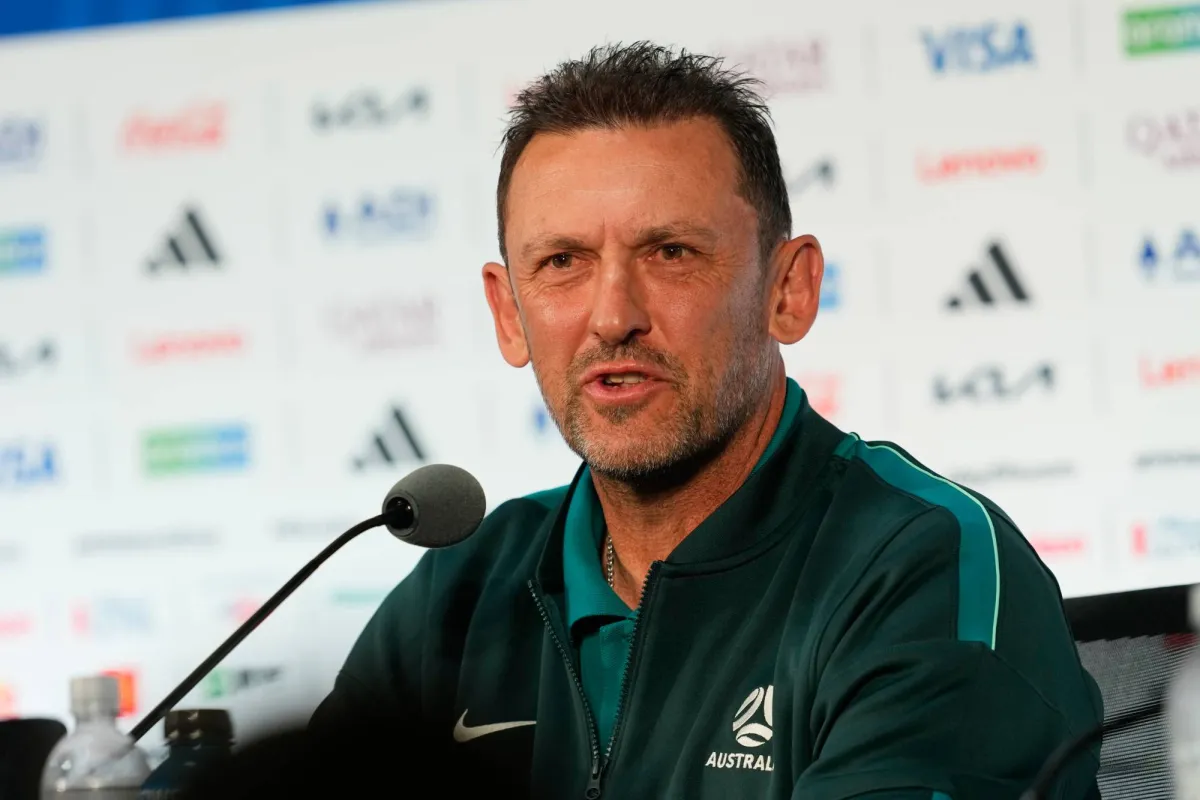
Paul Wade, former captain of the Australian national team, has revealed a probable diagnosis of chronic traumatic encephalopathy.
Paul Wade, former captain of the Australian national team, has revealed he has received a likely diagnosis of chronic traumatic encephalopathy, becoming one of the most prominent figures in Australian football to speak publicly about this neurodegenerative disease linked to repeated head trauma.
Wade, 64, who played 84 international matches and captained Australia between 1990 and 1996, said a neurologist reached this diagnosis in late 2025 after he suffered symptoms lasting more than a year.
Brain injuries related to heading have become a prominent issue in football, with former players filing class-action lawsuits against the game's governing bodies, as pressure mounts on officials to tighten concussion protocols and limit heading in youth competitions.
Doctors cannot definitively confirm chronic traumatic encephalopathy until after death, although common symptoms such as aggressive behavior and dementia may appear during the person's life.
In a statement on Wednesday, Wade said: 'Receiving a likely diagnosis of chronic traumatic encephalopathy has been difficult, but I decided to speak out because I know there are other players and families who may have similar questions and concerns. I don't want to discourage anyone from playing football; it has many health benefits and positives, but we need a better understanding of the long-term effects of repeated head trauma and ensure that players, their families, and the game itself receive the necessary information and support to protect future generations.'
The English Football Association is working to address concerns related to dementia and other potential health risks resulting from heading.
In 2024, it approved a rule to gradually eliminate deliberate heading in youth matches.
Rowena Hobbs, the neurologist overseeing Wade's care, called for reducing the use of heading in football, including banning it for players under the age of 12.
Hobbs said: 'We want former players to receive help as early as possible so they can live better and cope with the impact of chronic traumatic encephalopathy on thinking, emotion, and behavior.'
The Professional Footballers Association in Australia said it has commissioned a specialist in the field to prepare its position on heading guidelines, concussion protocols, and player education and support programs. Beau Busch, CEO of the Professional Footballers Association in Australia, said in a statement: 'Australian football must proactively strive to be the safest sport in the country, and that means tackling the issue of brain injuries through more effective policies.'
Football Australia did not respond to a request from Reuters for comment.
Original source: Asharq Al-Awsat



Comments (0)
Be the first to comment.