Clash of the Football Thrones: Matador vs Tango in the Final

Clash of the Football Thrones: Matador vs Tango in the Final
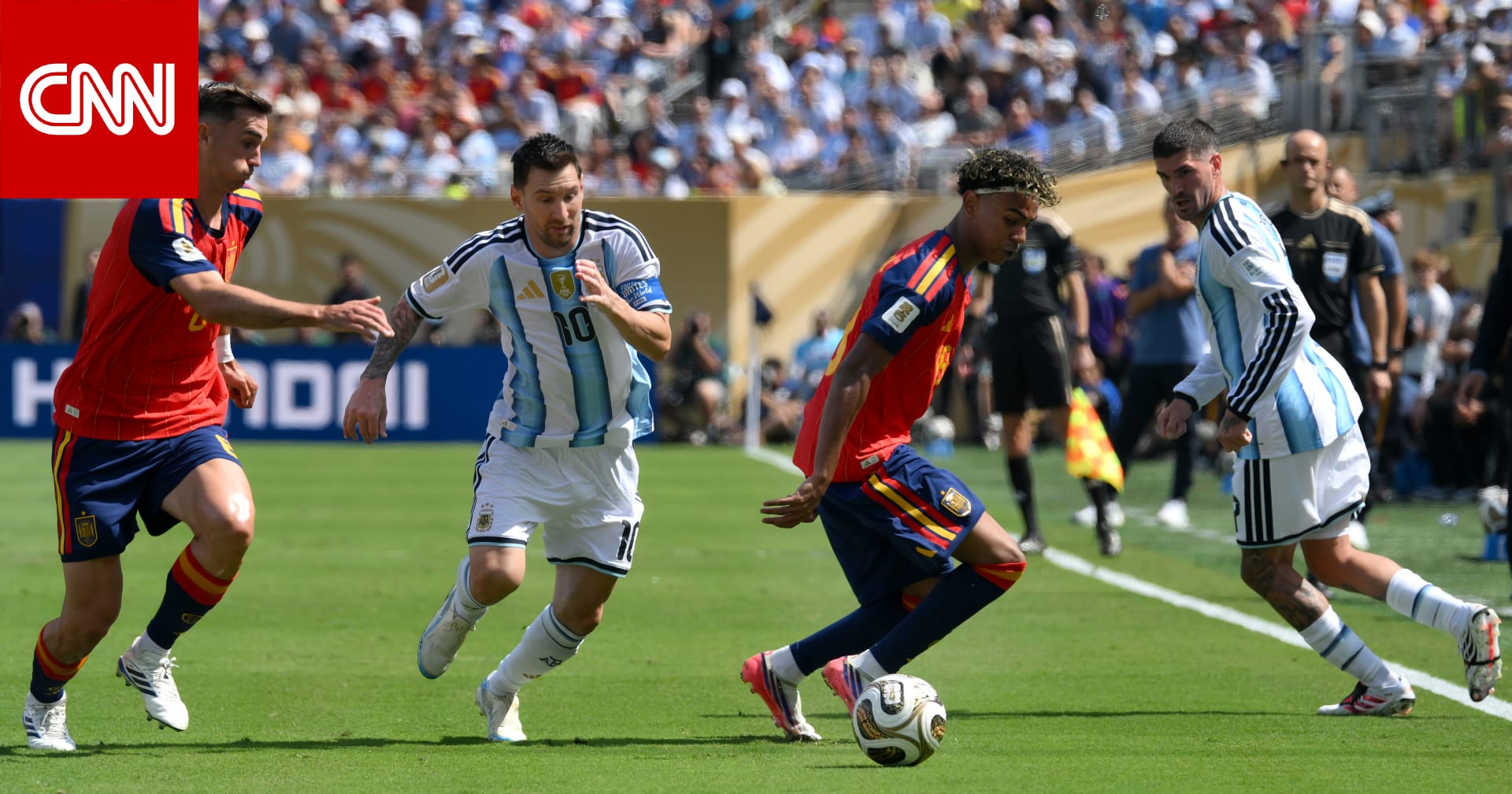
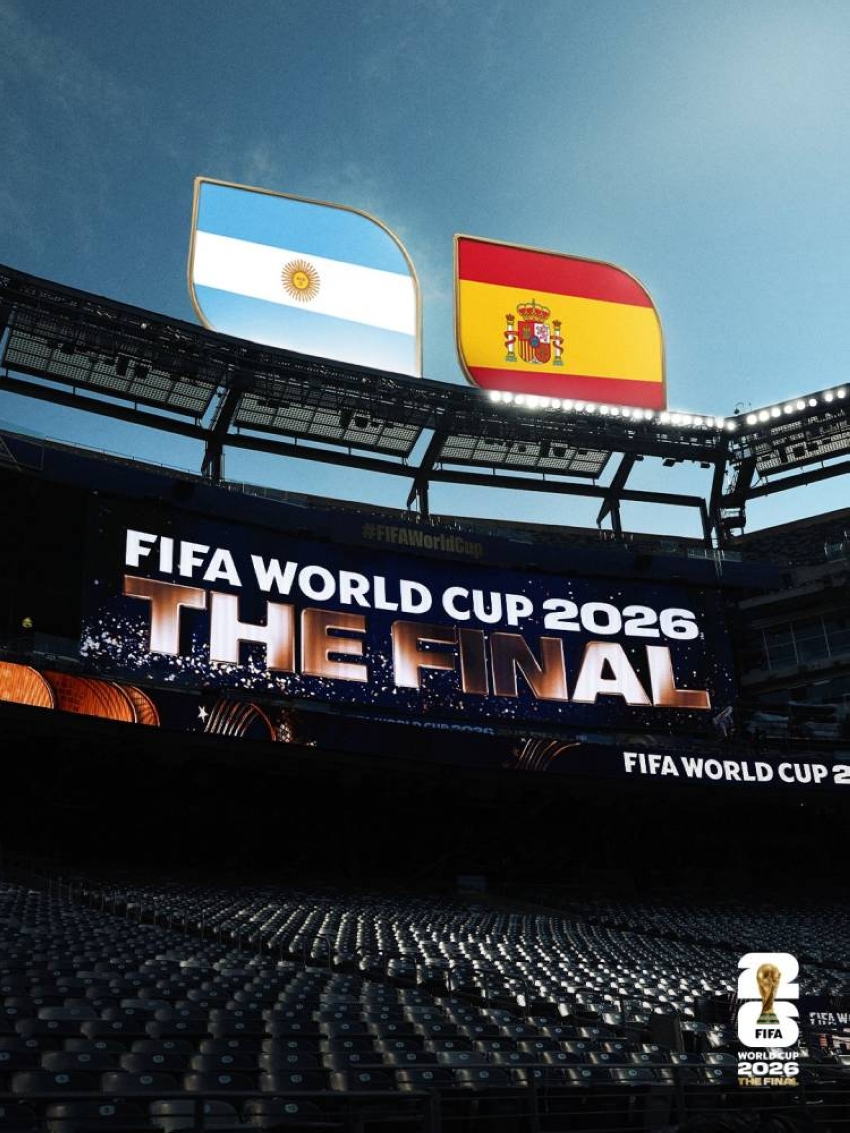
It was no surprise that the dust of the battles of the greatest World Cup in history settled on a football summit bringing together the Spanish "Matador" and the Argentine "Tango" in the 2026 World Cup final.
This final scene is not a coincidence, but rather the logical result and precise mathematical equation produced by the tournament's stages since the quarter-finals; where the world was assured that "champion-making" is no longer a gift of chance or raw individual talent, but a complex engineering process managed by an entire continent.
When breaking down the secrets that led the two giants to the final stage, we find three institutional dimensions that made the essential difference:
- Tactical superiority and deadly rhythm: Spain showed terrifying tactical maturity under Luis de la Fuente, embodying the strict standards of "La Liga" through absolute control and neutralizing opponents (as happened in defeating France 2-0 in the semi-final).
In contrast, Argentina proved exceptional physical and tactical resilience, absorbing England's enthusiasm to stun them in the final minutes with a 2-1 result; this steadfastness and ability to make crucial decisions under suffocating pressure is the direct product of the bitter weekly rhythm that players from both sides experience in the "Premier League" and major leagues.
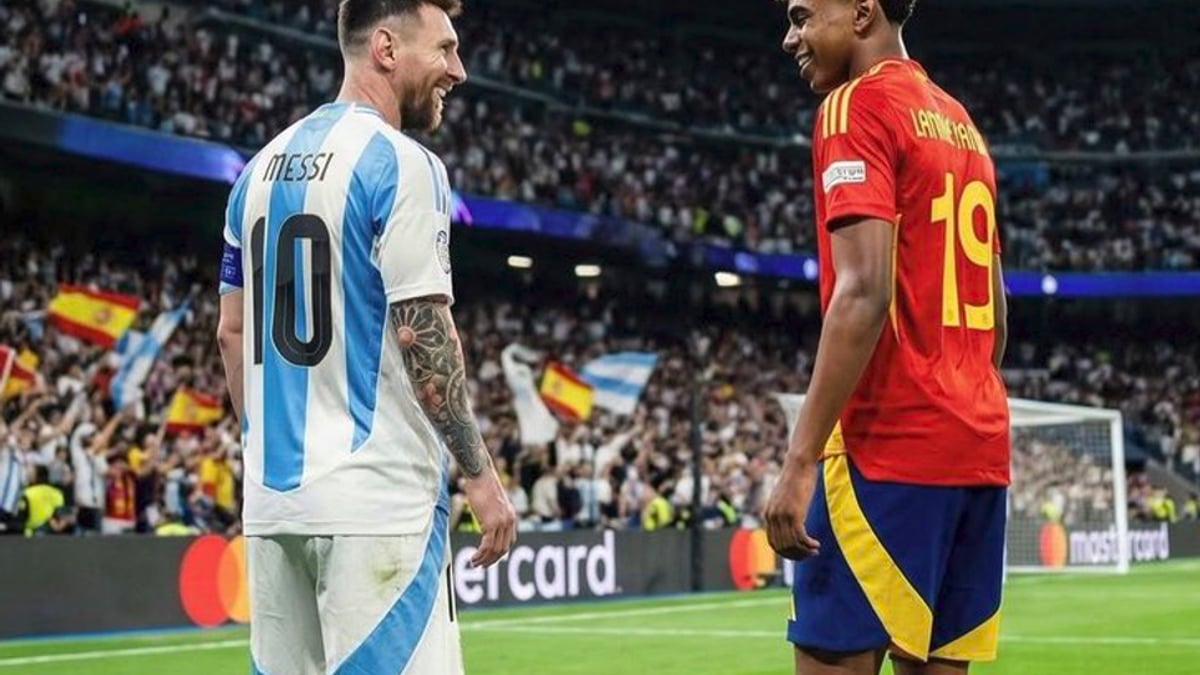
- Money as fuel and the future as target: Economic and investment power emerges as a decisive factor; Spain is now reaping the fruits of sustainable youth academies that polished the talent of a youngster like Lamine Yamal. On the other hand, the financial strength of European clubs appears as a "magnet" for attraction and development; without the forging of innate Argentine talents (such as Enzo Fernández and Lautaro Martínez) within the demanding European discipline and professional system, Argentina would not have that balanced squad capable of facing the giants of the game and reaching the final again.
- Champion mentality and immunity to the spotlight: Playing under the spotlight weekly in front of millions of screens gives these players psychological immunity and emotional stability against crowd pressure; thus we saw Argentina make a mental "remontada" against England without confusion, and we saw calm and unshakable Spanish confidence. It is the fierce media and critical environment in Europe that does not accept half-measures and instills in players self-discipline that always drives them to the top. The New Jersey final between Spain and Argentina is a confrontation between "the pure European system" and "the Latin talent refined by European standards." The message from this World Cup is clear and explicit to every football association aspiring to compete with the big boys in the future: The quality of your national team is nothing but an honest mirror of the strength and professionalism of the daily environment in which its players operate, for World Cup gold is only manufactured in the factories of true professionalism. In a few hours, the clock hands will stop, and the eyes of billions will turn to the legendary "MetLife" stadium in New York, where the final and purest chapter in the book of football for 2026 is written.
1 The Tango seeks the fourth
Original source: Al-Riyadh



Comments (0)
Be the first to comment.