Fiery Clash: Spain Chases Second Title, Argentina Dreams of Fourth
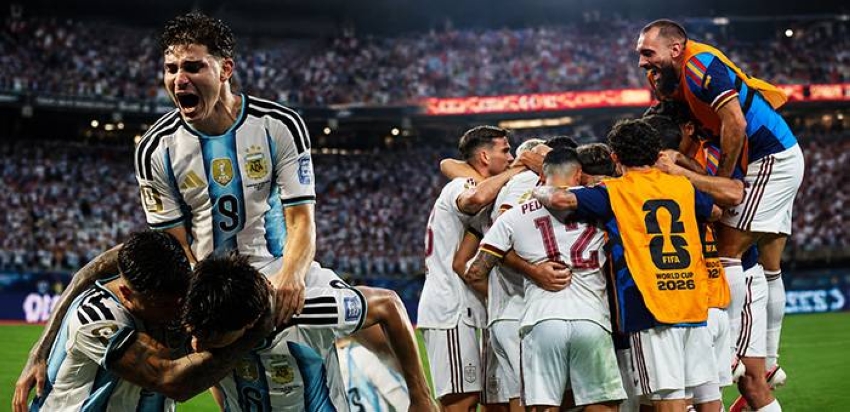
The curtain falls today, Sunday, on the first expanded edition of the 2026 FIFA World Cup, hosted by the United States, Mexico, and Canada, with a final match between European champions Spain and defending world champions Argentina at MetLife Stadium in New York/New Jersey.
This will be only the second meeting between Spain and Argentina in World Cup history. The first encounter between the two sides took place in the group stage of the 1966 World Cup, ending with a 2-1 victory for Argentina.
But the picture has changed in the current century, as Spain has dominated the head-to-head, winning 3 of the last 4 matches against Argentina, with only one loss, a heavy 4-1 defeat in a friendly in 2010. The last meeting between the two sides ended in a historic 6-1 victory for Spain in March 2018, one of only five matches in Argentina's history in which they conceded six goals. This match represents the 12th final between a European and a South American team, with South America winning 8 of the previous 11 finals, while Europe has won 3. Spain is seeking its second title after 2010, while Argentina aims for a fourth title and to defend its crown, becoming the first team to do so since Brazil in 1962. World Cup Golden Record: Brazil: 5 titles (1958, 1962, 1970, 1994, 2002). Germany and Italy: 4 titles each. Argentina: 3 titles (1978, 1986, 2022). France: 2 titles, Spain: 1 title (2010).
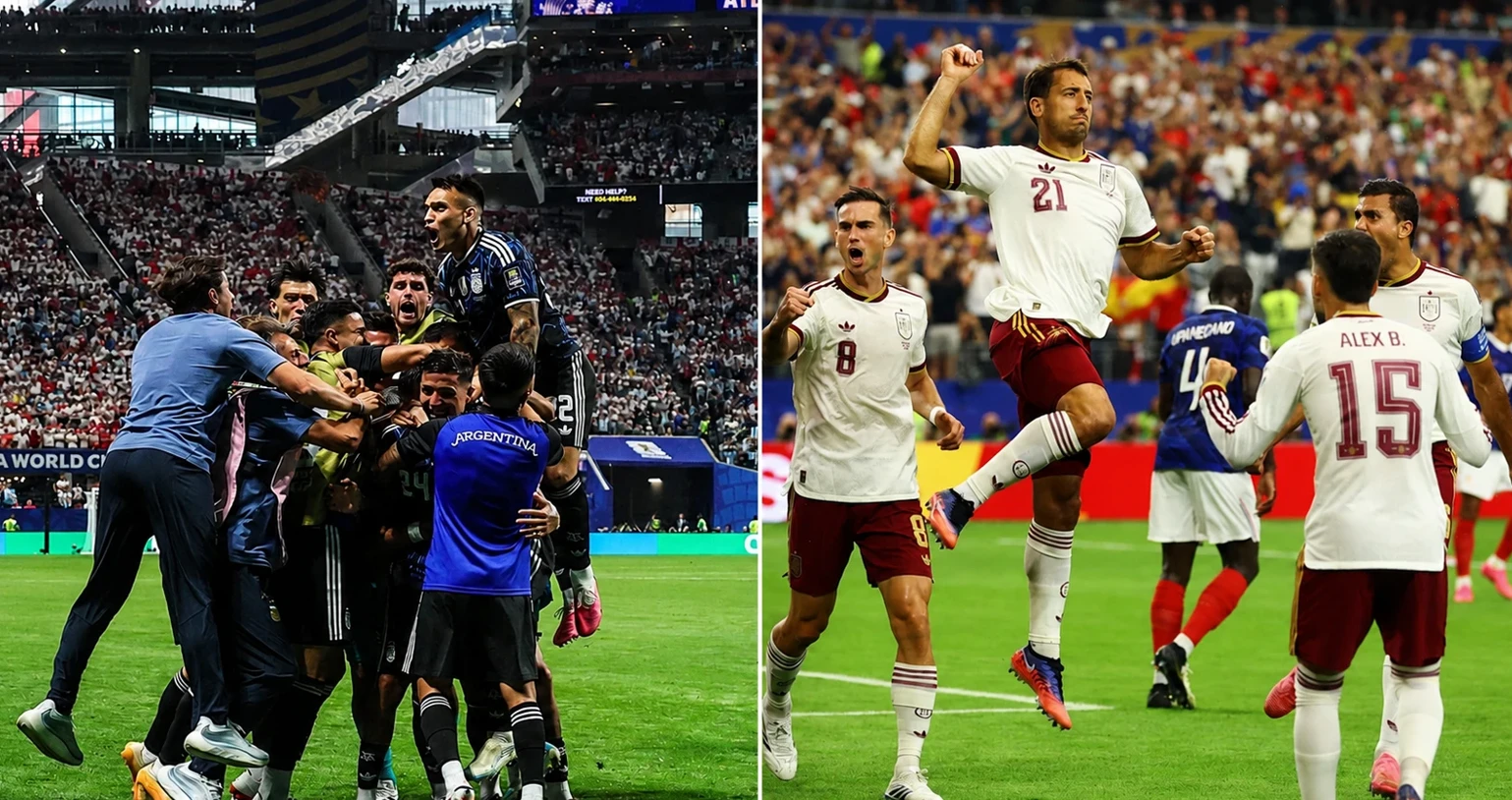
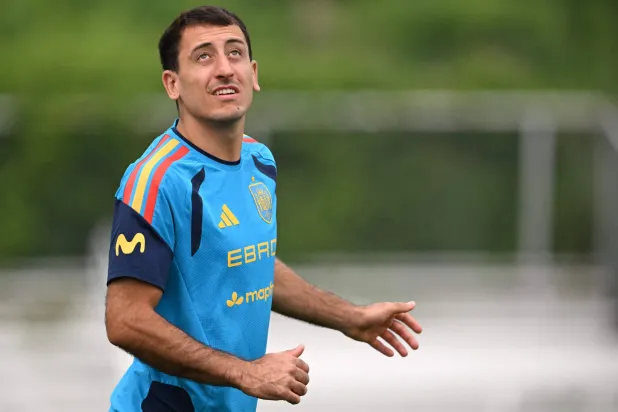
Team paths in the tournament: Spain (European champion, unbeaten, conceded one goal): beat Austria 3-0 (Round of 32), Portugal 1-0 (Round of 16), Belgium 2-1 (Quarterfinal), France 2-0 (Semifinal). Argentina (2022 champion, unbeaten): beat Cape Verde 3-2 (Round of 32), Egypt 3-2 (Round of 16), Switzerland 3-1 (after extra time, Quarterfinal), England 2-1 (Semifinal, with late goals). Playing style and coaches: Luis de la Fuente (Spain): relies on positional play with a build-up from a 4-3-3 that evolves into 3-2-5 or 2-3-5, focusing on rotations and quick vertical threat. Emphasizes collective culture, organized pressing, and balance between control and transitions. Strengths: solid defense, technical players (Yamal), attacking variety. Lionel Scaloni (Argentina): prefers flexibility (4-3-3 or fluid 4-4-2), with selective pressing and quick transitions. Relies on defensive balance and freedom for Messi. Strengths: fighting spirit, experience, effectiveness in decisive moments. Strengths and weaknesses: Spain (under Luis de la Fuente) has several strengths: Control and possession: they rely on a sophisticated philosophy with build-up from the back that makes the team difficult for opponents. The formation evolves into 3-2-5 or 2-3-5 in sustained attack. Solid defense: they have conceded only one goal throughout the tournament, with organized and strong pressing. Attacking variety: players like Lamine Yamal (individual threat) and Nico Williams, plus rotations in midfield (Pedri, Olmo, Ruiz). High efficiency in quick transitions. Collective culture: a cohesive group without ego, with de la Fuente's experience in building young teams from youth levels. Fitness and depth: strong bench (Merino scored crucial goals) and an unbeaten run (37 matches without defeat).
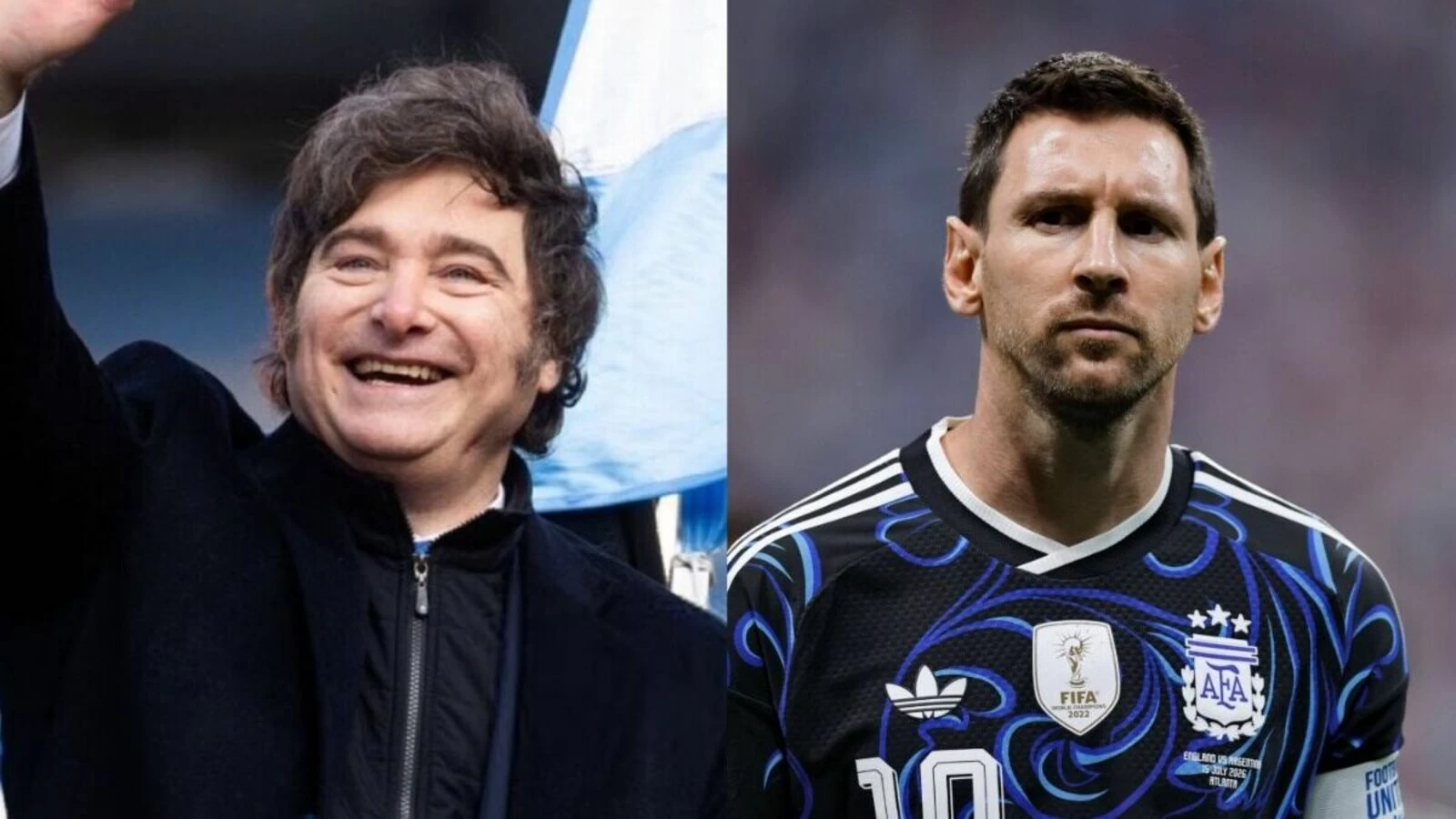
Match summary: Spain excels in control and organization, while Argentina excels in effectiveness and character in decisive moments. The match will be a battle between Spanish possession and Argentine transitions, with great importance on how to deal with Yamal on the right (for Spain) and Messi (for Argentina). Weaknesses: Reliance on possession: they may suffer under high pressure or quick transitions if they lose the ball in advanced areas. Lack of a clear striker: they rely on movement without a fixed striker, which may be difficult against compact defenses. Psychological pressure: as top favorites, tension may affect them in decisive matches (despite their experience at Euro 2024). Strengths: Fighting spirit and experience: a team that comes back from behind (like matches against Egypt and England), and possesses a world champion mentality. Unbeaten in 13 consecutive World Cup matches. Tactical flexibility: fluid formation (4-3-3 or 4-4-2) with positional rotations, selective pressing, and quick transitions. Messi has complete freedom. Attacking effectiveness: Messi (goals and assists), Lautaro Martinez, Alvarez, and strong midfielders (Enzo, Mac Allister, De Paul). Organized defense: solidity in midfield and defense, with ability to defend compactly and transition quickly. Leadership: Messi (39 years old) and winning mentality under Scaloni, who manages the group with balance. Weaknesses: Dependence on Messi: at an advanced age, fatigue or tight marking may affect his performance, reducing alternative solutions in open play. Constant high pressing: they defend reactively at times, and may struggle against teams with high possession and precision (like Spain). Defensive transitions: in some matches, they leave spaces when pushing forward, especially with full-backs advancing.
Original source: Al-Madina

Comments (0)
Be the first to comment.