Football... Love and Violent Hate

Jamilton Campaz, a Colombian national team player, nearly renewed the sad story of his predecessor in the Colombian national team, Andrés Escobar.
Player Campaz missed a chance to score the decisive goal against Switzerland in the current World Cup, and Switzerland qualified at the expense of Colombia.
The Colombian public launched harsh attacks on the player and his family, threatening to kill him if he came back to the country; this made him hesitate to return, and prompted the Colombian Football Federation to issue a statement saying:
“Oh Colombia, I hope we never lose our respect. We may disagree, or feel frustrated and sad, but no passion justifies hatred or living in fear.”
This man saved his life, but that was not the fate of the poor Andrés Escobar, the Colombian national team player in the 1994 World Cup in America as well, who scored an own goal in a 1-2 loss to the United States, and days after elimination and the team's return to his country, Escobar was killed in the city of Medellín.
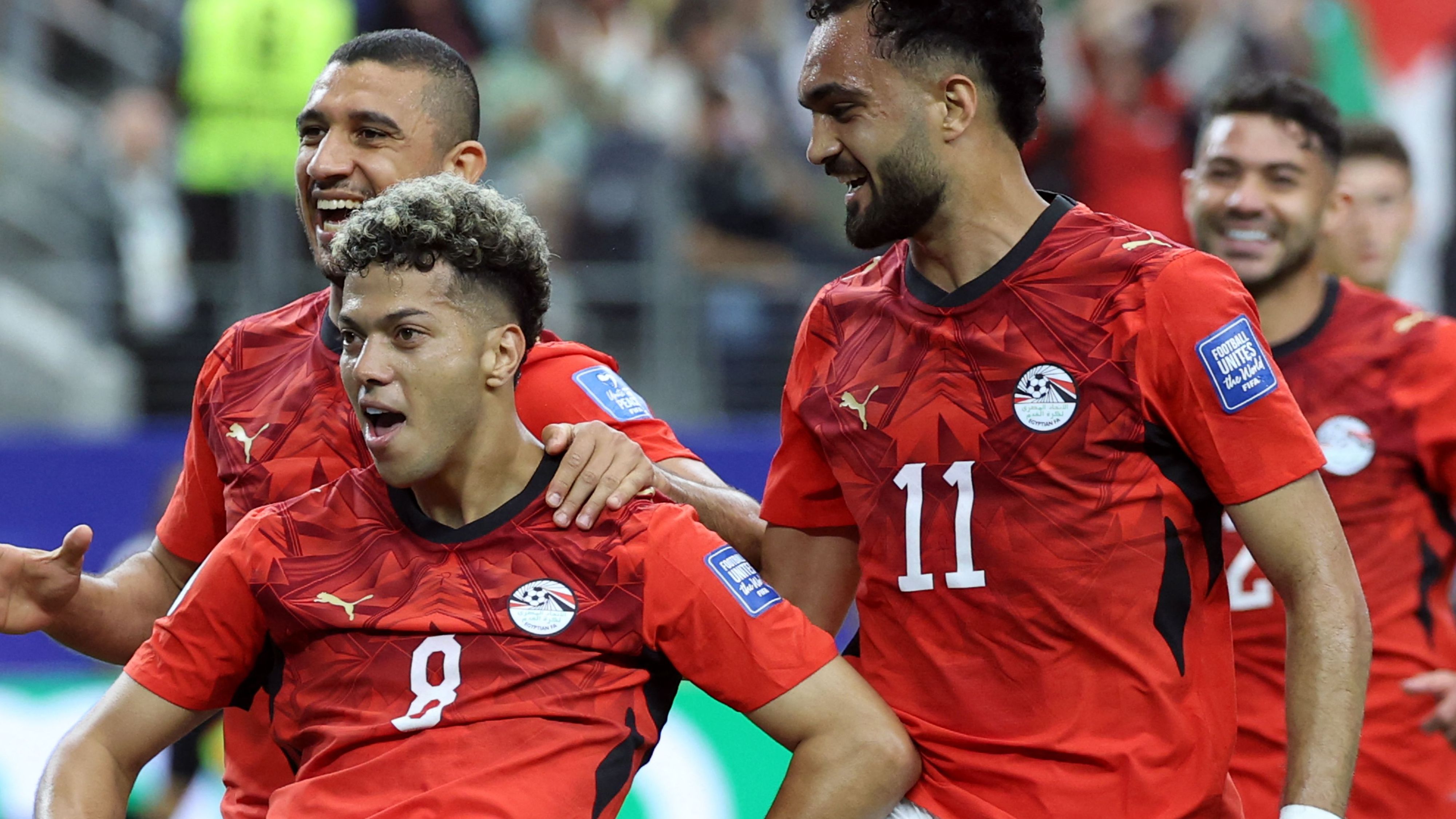
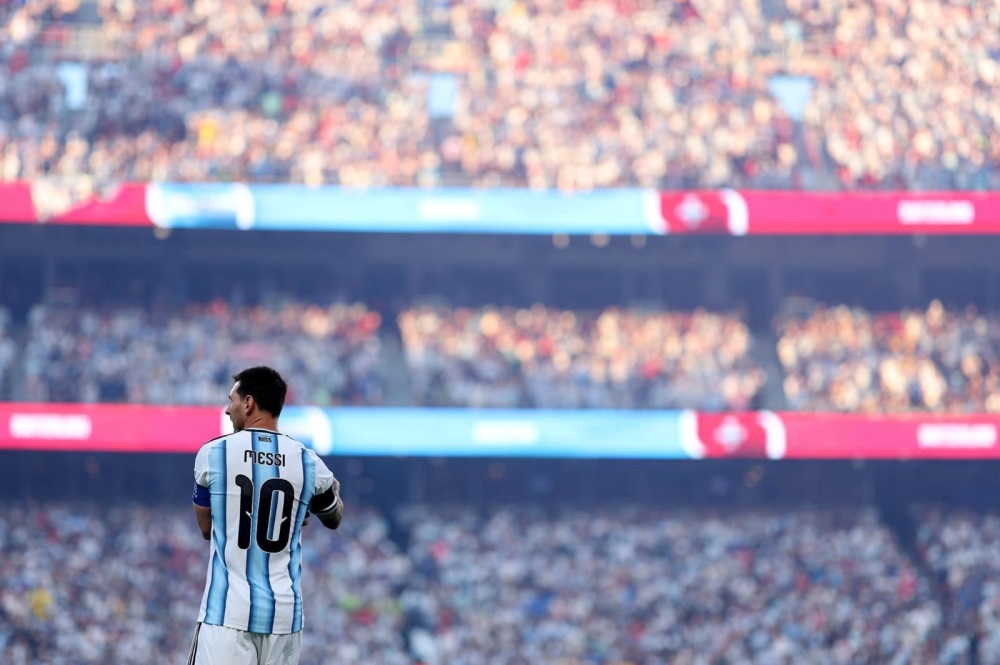
The second case was less severe than the Colombian one, which was the attack on the referee of the Egypt-Argentina match, which ended with an exciting win in the last minutes of the match by Messi and his teammates.
The match referee, who angered the Egyptian fans and their supporters, was the target of the attack, but the matter escalated to searching for his accounts on social media, and a paradox occurred that seemed funny but turned grim. In detail, François Letexier, an 'ordinary' French citizen, and his family were subjected to a harsh experience by Egyptian fans, only because his name - unfortunately for him - matches the name of the French referee.
Sophie, the mother of the ordinary citizen Letexier 'the other', said about the attacks by those angry at the French referee on them on social media:
“They curse us to go to hell, and they will search for us until they find us, and things like that. They scare us. It is a very violent experience we are going through, and we were not prepared for it in our rural background... I became a star in Egypt, and I could have done without that.”
These incidents, although they have an old origin like the Escobar incident in '94, there is no doubt that the ease of communication and tracking on social media, and the great exposure of everyone to everyone, facilitated access to the target party, and made people's privacy scarce, especially since some or most people are keen to vulgarize themselves and display their lives publicly.
This is one thing, and the second: why do emotions in football reach this sharp level of escalation and seriousness, even death cases sometimes occur among fans, either from joy or from frustration? Yes, that happens. What is the explanation?!
Are they violent emotions that found in competitions between clubs and national teams a substitute for real wars and sectarian or tribal partisanships?!
I do not know for sure.
*From Asharq Al-Awsat London
Advertisement
Advertisement
Disclaimer: All published articles represent the opinion of their authors only.
Original source: Al Arabiya



Comments (0)
Be the first to comment.