From Devastating Injury to Glory... How Did Rodri Rewrite His Story?
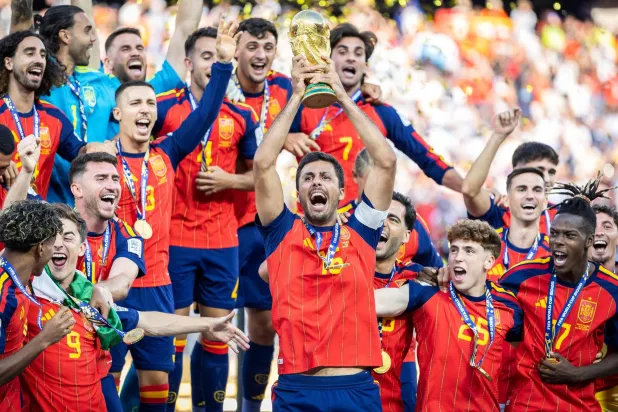
Rodri Hernandez's story did not begin in the 2026 World Cup final, nor when he lifted the trophy as Spain's captain, but years earlier in the Madrid region.
Rodri Hernandez's story did not begin in the 2026 World Cup final, nor when he lifted the trophy as Spain's captain, but years earlier in the Madrid region, when he left his hometown of Villanueva de la Cañada with his family and moved to Majadahonda to join Rayo Majadahonda.
Upon his transfer to the club, the Rodri family set a key condition: providing a place where he could continue his studies and do his homework alongside football training, a clear message that success is built not only on talent but on discipline and commitment.
From his early years, Rodri was not the strongest or fastest player, but what caught attention was his exceptional ability to read matches and understand their details before others—the trait that accompanied him until he became one of the best midfielders in the world.
Rodri receives congratulations from King Felipe VI of Spain after the Spanish national team won the 2026 World Cup (AFP)
But Rodri's journey was not paved only with successes. In 2024, he suffered a torn anterior cruciate ligament in his knee, an injury that led many to believe his career would never be the same, and that the player accustomed to dominating the midfield might lose his most important attribute.
However, the Spanish national team captain refused to give up. He underwent a long treatment and rehabilitation program, gradually returned to the pitch, regaining his form match after match, until he once again became the heart of Spain's midfield in the 2026 World Cup.
His return was not limited to participation; he led his country to win the second world title in its history, playing a pivotal role in the team's journey, before being awarded the Best Player of the Tournament, adding it to a trophy-laden record that includes the UEFA Champions League, the European Championship, the Ballon d'Or, and then the World Cup.
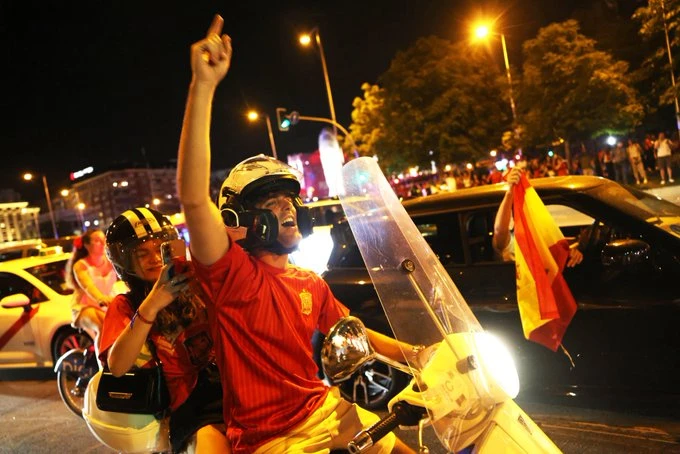
Rodri during the celebrations of the Spanish national team in the streets of Madrid after winning the 2026 World Cup (EPA)
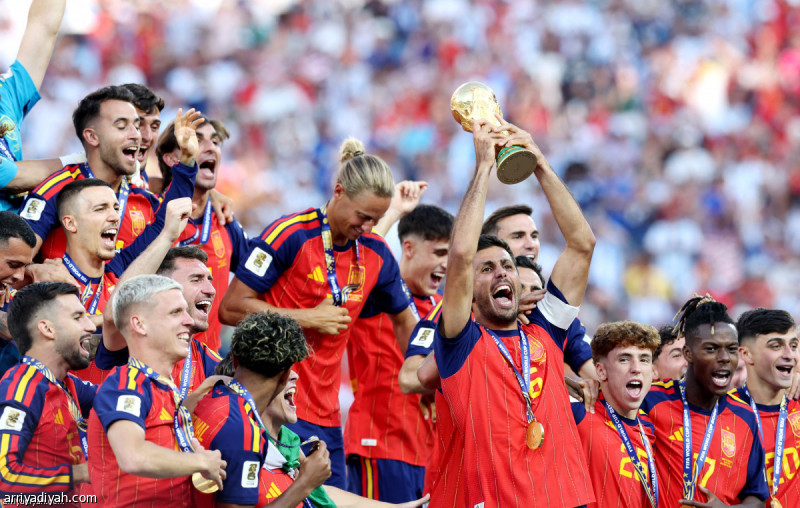
After the final whistle, Rodri lifted the trophy as captain of his country, then left the podium in tears, a scene that summarized a long journey of pain, work, and patience, beginning with an injury that nearly ended his dreams and ending with him reaching the pinnacle of world football.
Rodri had stated that the injury period was the hardest of his life, but it made him stronger mentally and humanly, considering that returning to the top after that ordeal holds greater value than any title.
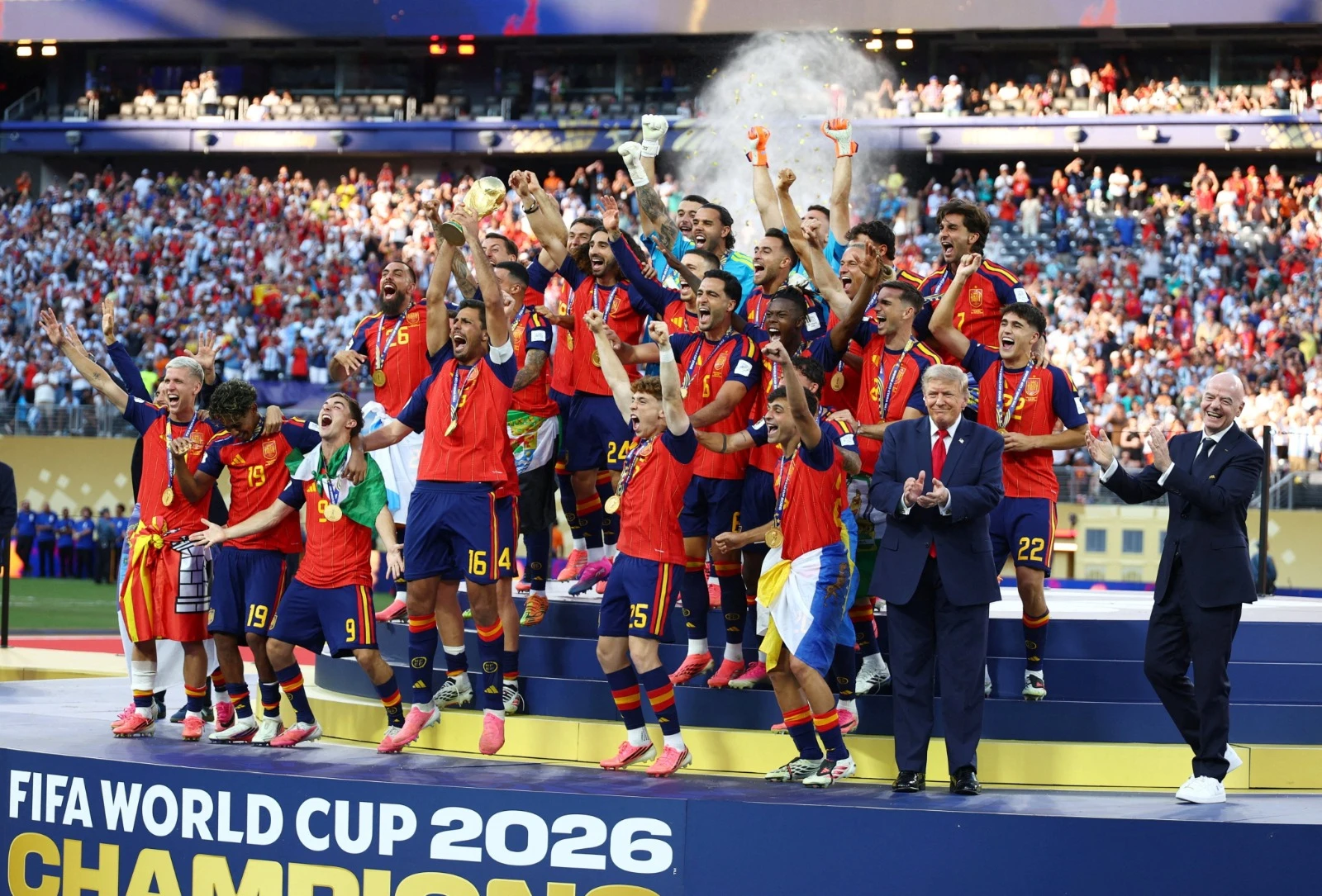
Rodri receives his medal from FIFA President Gianni Infantino and U.S. President Donald Trump (AFP)
His story has become a role model for any player facing a difficult moment in his career, after proving that injuries may delay dreams but do not end them when will and work are present.
Thus, Rodri's World Cup triumph was not just a new sports achievement, but the end of a chapter of suffering and the beginning of another that immortalizes his name among Spain's greatest players: from a child who moved with his family between towns in the Madrid region, and whose family insisted he not neglect his studies, to a captain lifting the most precious trophy in world football.
Original source: aawsat.com

Comments (0)
Be the first to comment.