FIFA Rewards Clubs with One Billion Dollars for Player Development
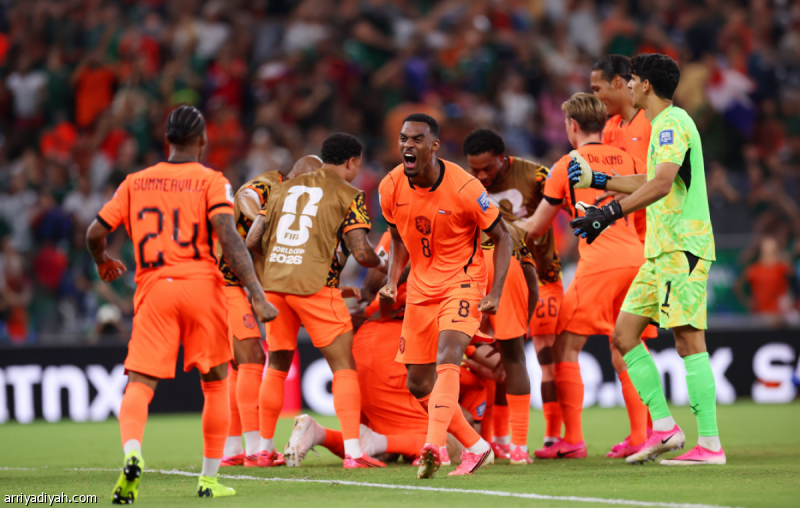
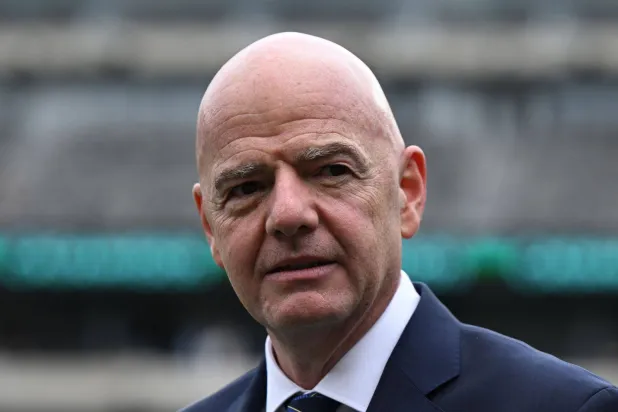
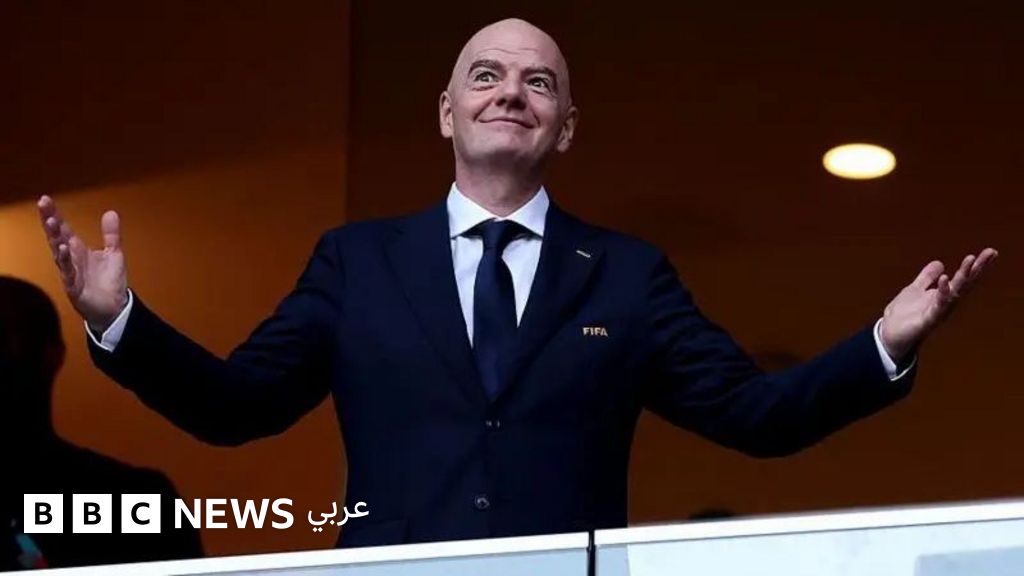
The FIFA Clearing House has allocated nearly one billion dollars in training rewards for clubs that invest in player development since its launch in November 2022. Of the total amount, $639 million has already been successfully distributed via the clearing house from its headquarters in Paris, the French capital, enabling rewards to reach clubs around the world with greater efficiency, transparency, and security than ever before. Gianni Infantino, President of FIFA, said in a statement published on the official website on Friday: 'These figures testify to the role of the Clearing House in enhancing the football development system by ensuring clubs receive the financial compensation they are due for nurturing the next generations of players.' He added: 'As transfer activity continues to grow around the world, the Clearing House remains a cornerstone of FIFA's commitment to improving financial transparency, strengthening trust in the international transfer system, and rewarding investment in youth development across the global game.' The ongoing edition of the 2026 World Cup has provided another strong testament to this impact, as approximately $221 million in training rewards have resulted from transfers involving 530 players who were members of the participating national team squads throughout their careers, benefiting clubs associated with players representing 46 of the 48 teams in the competition. Among the teams most benefiting from the generated returns are Spain and Argentina, the two finalists of the FIFA World Cup, with a total of 20 players whose transfers generated training rewards via the FIFA Clearing House. Similarly, training rewards were generated for 20 of the 26 players on Croatia's World Cup squad, reflecting the country's established reputation for producing elite talent. Colombia and Ecuador follow closely, with 19 and 18 players from their respective squads generating training rewards. The top five list is completed by Ivory Coast (17), followed by Japan, Switzerland, and the Netherlands (16). Meanwhile, transfers involving Dutch players called up for the tournament have generated $16.5 million in training rewards over the years, a testament to the enduring strength of football development pathways in the Netherlands. The top ten list in terms of total training rewards generated includes five other UEFA teams: Portugal, France, Belgium, Croatia, and Germany; three from South America: Argentina, Uruguay, and Brazil; and one from Africa: Senegal. On average, clubs from players' home countries benefit from 63% of the training rewards generated by World Cup participants. However, this proportion varies significantly between national associations: clubs from the Czech Republic received 92.4% of the rewards generated by their national team, followed by Argentina with 89.8% and Germany with 88.6%. The training rewards for players from teams such as Senegal (15.3%), Algeria (14.0%), and the United States (11.5%) mostly benefited clubs from other national associations. The top ten players alone accounted for a total of $34.3 million in training rewards for the clubs that contributed to their development, noting that they represent ten different national teams, once again underscoring the global scope of this system. These players are: Neymar (Brazil), João Félix (Portugal), Manuel Ugarte (Uruguay), Enzo Fernández (Argentina), Kai Havertz (Germany), Moisés Caicedo (Ecuador), Michael Olise (France), Kim Min-jae (South Korea), Malik Tillman (United States), and Viktor Gyökeres (Sweden). However, World Cup participants represent only part of the picture, as transfers of 10,422 other players have generated an additional $768 million in training rewards since November 2022, illustrating the scale of the global transfer market and the wide reach of FIFA's training reward system in professional football. These figures show how clubs that trained and developed players years ago continue to reap financial returns from their investments, as players advance to the highest levels of the game and compete in the world's premier football event. They also underscore the important role of solidarity mechanisms in rewarding clubs, regardless of size or location, for developing the next generation of football talent.
Original source: Arriyadiyah


Comments (0)
Be the first to comment.