History's Revenge Writes World Cup Semifinals

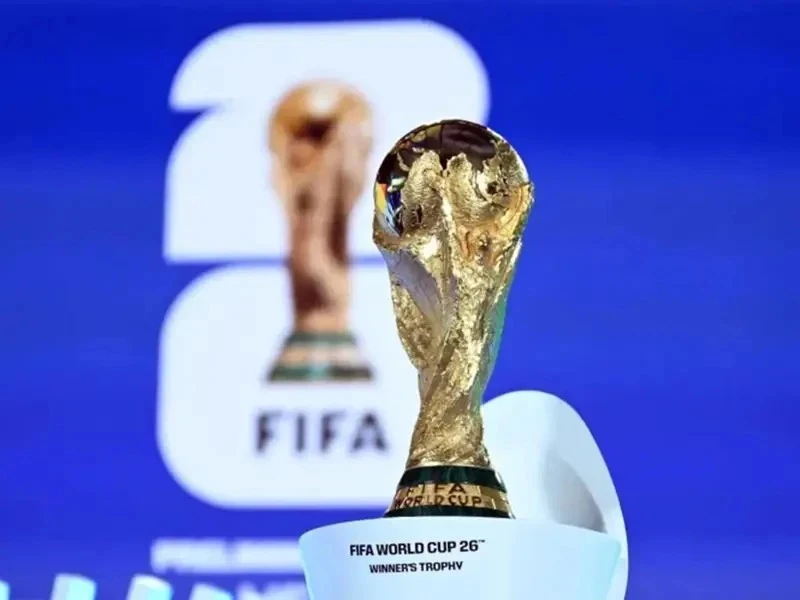
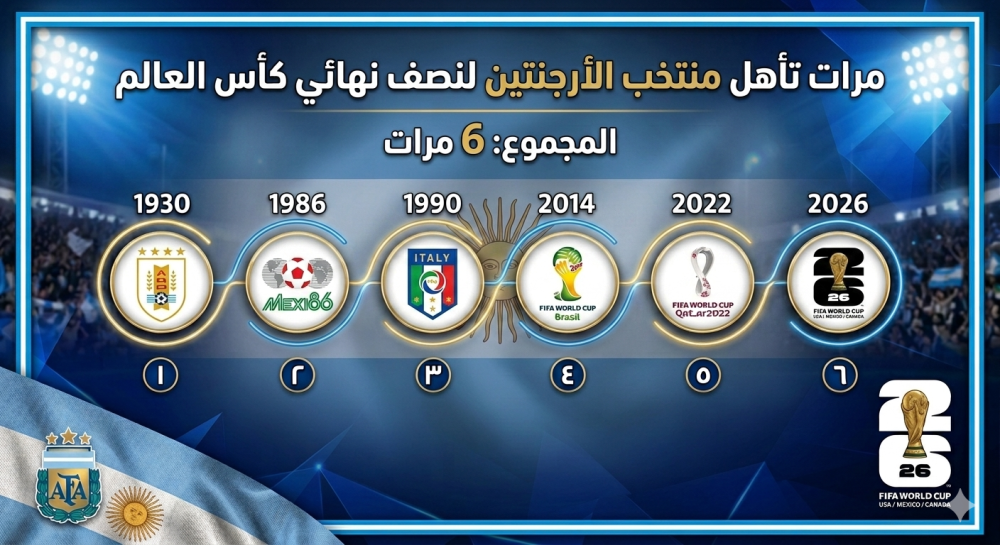
For the first time since the 1990 World Cup, four teams that have previously won the World Cup meet in the semifinals, after Argentina, France, Spain, and England reached the last four of the 2026 edition, in a scene that brings back the most famous football rivalries, revives revenge from past tournaments, and ignites a historic race for records and immortality.
All eyes turn to the two anticipated matches, as France meets Spain on Tuesday in Arlington, Texas, while Argentina faces England on Wednesday in Atlanta, in two encounters that bring together the top four teams in the FIFA world rankings, with the winners just one step away from the final.
The semifinal carries more than one theme, as it combines a potential rematch of the 2022 World Cup final if France and Argentina qualify, and Spanish-French revenge after the Euro 2024 semifinal, along with one of the hottest matchups in the history of the game between Argentina and England.
A Rivalry Beyond Football
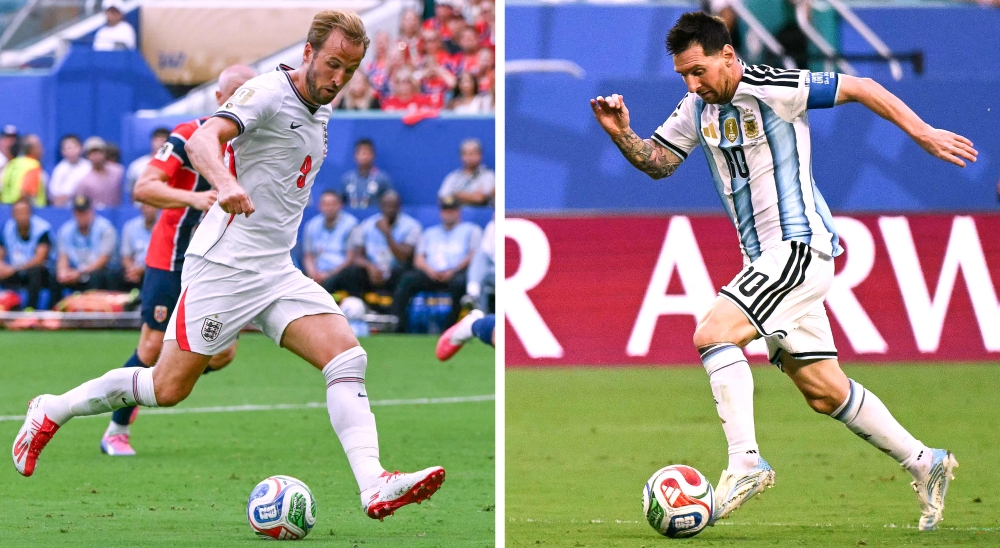
The Argentina-England clash takes center stage, in a new chapter of a conflict that has gone beyond the pitch since the Falklands War in 1982, and left its mark on World Cup history.
The chapters of this rivalry began at the 1966 World Cup with the sending off of Argentina captain Antonio Rattín in a heated match that ended with an England win, before reaching its climax two decades later when Diego Maradona led his country to a 2-1 victory in the 1986 World Cup quarterfinal, after scoring his two famous goals, one with his hand and the other that many consider one of the most beautiful goals in World Cup history.
The encounter was renewed at the 1998 World Cup with David Beckham's sending off against Argentina and England's exit on penalties, before the English captain took revenge in the 2002 edition when he scored the winning goal from a penalty that eliminated the defending champions from the first round.
In the 2026 edition, the two teams meet again in their first World Cup encounter in over two decades, and in the first match Lionel Messi plays against England in the World Cup.
Related News
Euro Revenge
In the second match, the rivalry between France and Spain is renewed just two years after Spain's victory over France in the Euro 2024 semifinal, when Lamine Yamal stole the spotlight with a historic goal that led his country to the final and then the title.
France enters the match in a different form, having regained its attacking strength led by Kylian Mbappé, who tops the tournament's scoring charts, along with the emergence of a new generation led by Michael Olise and Désiré Doué.
In contrast, Spain overcame significant absences and injuries, and relied on the depth of its squad, after Mikel Merino played the role of savior in the knockout rounds with crucial goals against Portugal and Belgium.
Race for Immortality
The semifinal is not limited to a battle between teams, but extends to a personal fight among the world's top stars for the Golden Boot and historical records.
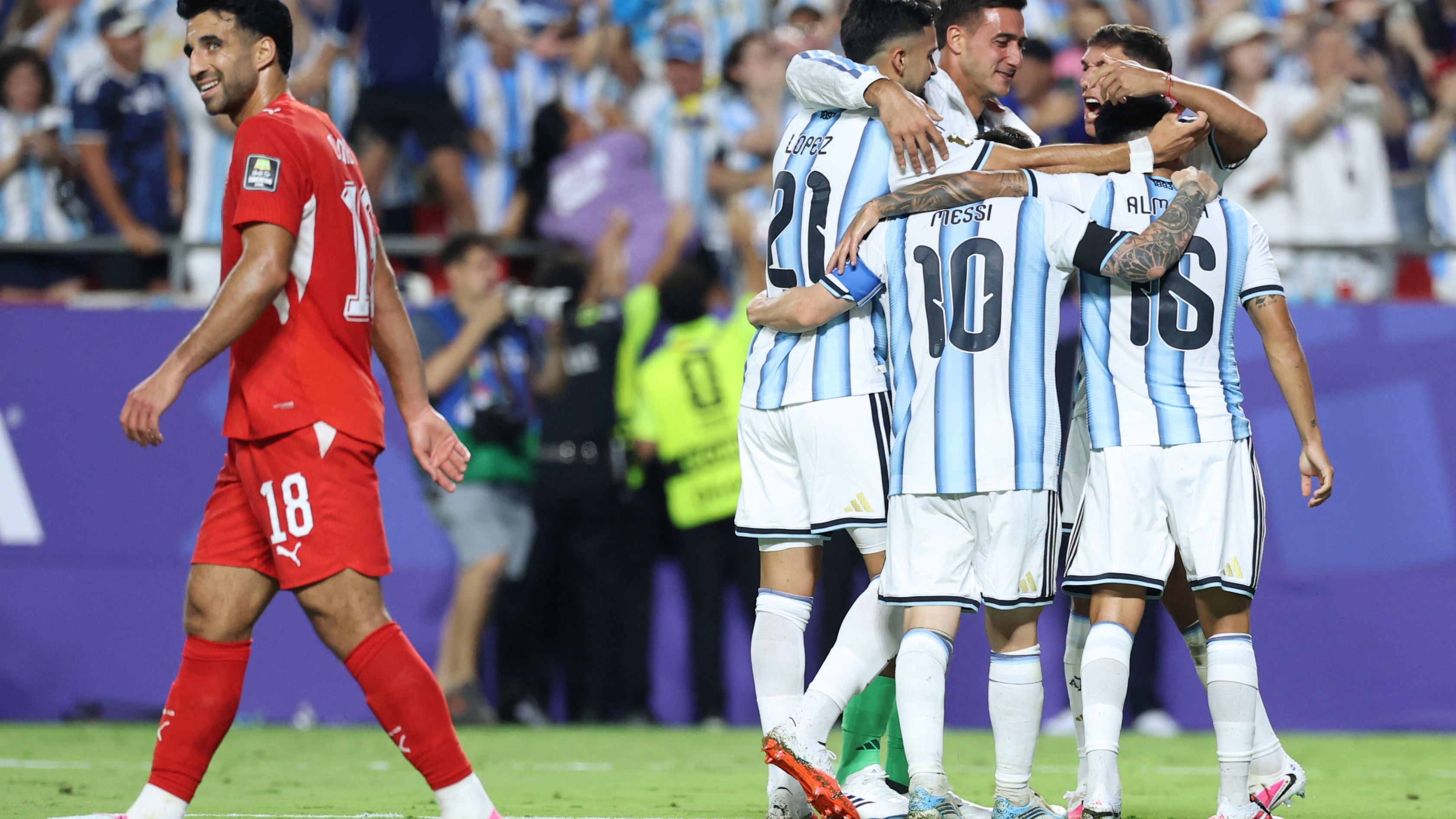
Lionel Messi and Kylian Mbappé top the tournament's scoring list with eight goals each, while the English duo Harry Kane and Jude Bellingham trail with six goals each, Ousmane Dembélé has five goals, and Spain's Mikel Oyarzabal has four goals.
The battle also extends to the all-time World Cup scoring list, as Messi tops the list with 21 goals, just one goal ahead of Mbappé, who continues to chase the record while at the peak of his career.
Historic Opportunity for Argentina
The Argentine team has a chance to make history if it successfully retains the title, as it would become the first team to win the World Cup in two consecutive editions since Brazil's achievement in 1958 and 1962.
Messi is also close to writing a new chapter in his extraordinary career, as he could lead his country to a second World Cup title, an unprecedented achievement in modern Argentine football history.
And between revenge spanning decades, renewed European clashes, and a race for individual and collective glory, the 2026 World Cup semifinals seem more than just two matches, but rather a stage that could rewrite new pages in World Cup history.
Original source: Sky News Arabia

Comments (0)
Be the first to comment.