How are multi-million dollar player deals sealed inside national team camps?
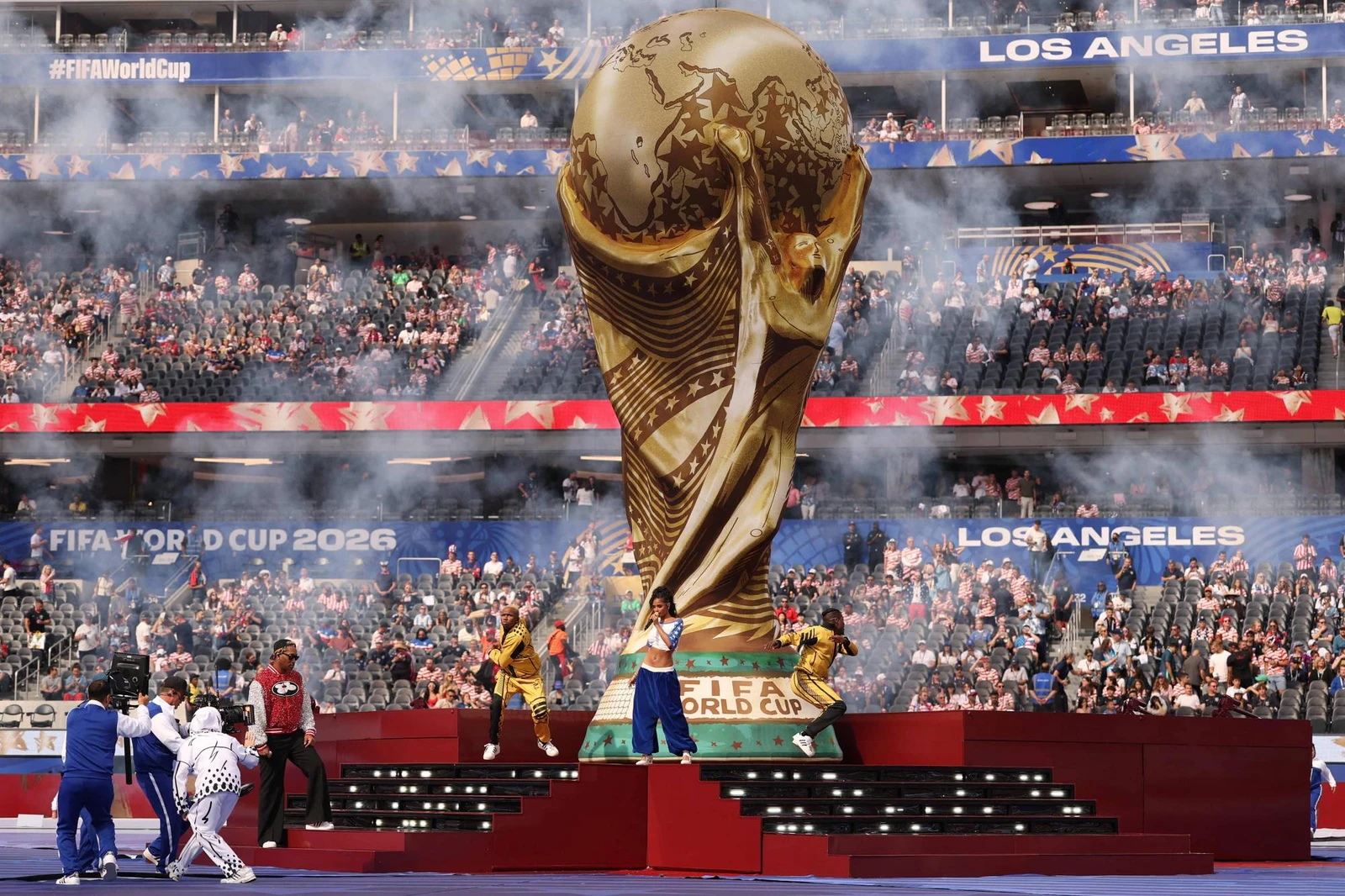
The World Cup is no longer just an arena for competing for the title; it has become the biggest platform for showcasing talent and making deals. While fans focus on the matches, complex negotiations take place behind the scenes between clubs and player agents to finalize transfers that could be worth hundreds of millions.
As the 2026 World Cup approaches its final stage, several major deals have been announced, while others are nearing completion, bringing back the question that repeats in every major tournament: How are deals made while players are inside their national team camps?
Although the player is fully occupied with preparing for matches and representing his country, that does not mean the transfer market stops. On the contrary, the tournament is often the most active period for player agents and club managements.
The player is not a party in all negotiations
Contrary to popular belief, the player is not present in most stages of negotiation. When a player catches attention during the World Cup, contacts begin between the interested club, his current club, and his agent, who manages the negotiations on his behalf, while the player continues his training and participation with the national team.
During this stage, all details related to the deal are discussed, such as the transfer fee, annual salary, contract duration, bonuses, and other legal terms, without the need for the player to be present in person.
The player usually only intervenes in the final stages, when he is asked for final approval on the contract terms.
Medical examination... the biggest obstacle
Medical examinations remain the most complicated stage in any deal made during an international tournament. In many cases, the club does not wait for the tournament to end but sends a full medical team to the city where the national team is based to conduct the examinations, before completing the rest of the procedures electronically via FIFA's Transfer Matching System (TMS).
The national team... the fourth party in the deal
Under normal circumstances, any transfer deal involves three main parties: the player, his current club, and the new club.
But during international tournaments, a fourth party appears: the national team. The coaching staff and local federation become responsible for organizing any player movements outside the camp, whether for medical exams or signing contracts, while ensuring that this does not affect his preparations or focus before matches.
In many cases, some procedures are postponed until after the national team's participation ends, while the rest of the deal's stages are completed entirely during the tournament.
The 2026 World Cup... the tournament that did not stop the transfer market
The current edition of the World Cup witnessed a number of deals that were finalized while the players were still with their national teams.
Real Madrid reached agreements to sign Frenchman Ibrahima Konaté, Spaniard Marc Cucurella, and Portuguese Bernardo Silva during their time in their national team camps.
Moroccan Ismaël Saibari moved to Bayern Munich while his national team was still in the tournament, while AC Milan finalized the deal for Portuguese striker Gonçalo Ramos, and Manchester City completed their agreement with Nottingham Forest to sign English midfielder Elliot Anderson during the player's participation in the World Cup knockout stages.
The moves did not stop there, as Swiss player Johan Manzambi was linked with a big move to the English Premier League while his national team was preparing for the quarter-finals.
The World Cup has been making deals for years
Although the density of deals in the 2026 edition was notable, the World Cup has always played a pivotal role in shaping the transfer market.
In the 2014 World Cup, Cesc Fàbregas moved from Barcelona to Chelsea during the tournament, James Rodríguez secured his historic transfer to Real Madrid after winning the Golden Boot, while Keylor Navas joined the Royal club after his impressive performance with Costa Rica.
In Euro 2016, Belgian Michy Batshuayi temporarily left his national team camp to undergo a medical examination before his transfer to Chelsea.
In the 2022 World Cup, Enzo Fernández turned from a promising talent into one of the most expensive midfielders in the world, as his outstanding performances with Argentina led to his later transfer to Chelsea.
Brilliance changes players' futures
Often, a single tournament is enough to completely change a player's future. Every goal, assist, or exceptional performance in a big match can massively increase a player's market value and push clubs to speed up negotiations before new competitors enter the fray.
For this reason, the days of the World Cup become a frantic race among scouts, sporting directors, and player agents, while the player himself remains focused on one task only: giving his best on the pitch.
Original source: Akhbaar24




Comments (0)
Be the first to comment.