Maradona Trial: Shocks, Pastries, and Childish Behavior
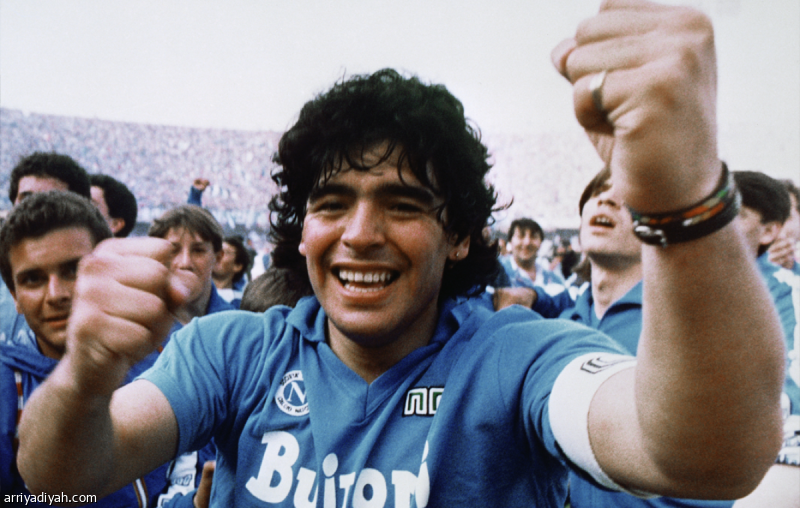
The trial of the doctors supervising the treatment of late Argentine football legend Diego Maradona has been stormy and full of twists at many stages, much like the life of the number 10 jersey holder himself. Legal proceedings have been ongoing since April over accusations that the negligence of seven healthcare workers contributed to the Argentine star's death in 2020. The charismatic footballer died of heart failure and acute pulmonary edema, a condition where fluid accumulates in the lungs, two weeks after undergoing surgery. The trial was supposed to end in August, but after nearly 70 witness and defendant testimonies and more than 25 hearings, it remains unclear when this judicial drama will conclude. The defendants, who maintain that Maradona died of natural causes, have spent months inside the courtroom alongside the daughters of the former Napoli player, who are still suffering from the tragedy. As the proceedings enter an additional month, AFP reviews the key moments in this often dramatic case.
Leopoldo Luque, Maradona's personal physician and the main defendant in the case, given that he was seen by many as the directly responsible party at the time, adopted a very meticulous defense strategy. He attended all hearings without exception and requested to speak every time he felt a testimony hinted at his responsibility. The doctor has so far made nine interventions, during which he presented audio recordings, scientific research, and pointed out what he considered inconsistencies in the testimonies. On one occasion, he gave instructions to his lawyer on how to connect an HDMI cable to display Maradona's autopsy. Luque's team succeeded in showing the footage, which later shocked one of Maradona's daughters, who screamed obscenities at the defendant and left the courtroom crying, followed by her lawyer, leading to the suspension of the hearing. Luque insists he was unaware she was in the courtroom, but Maradona's family says they don't believe that.
Judges have repeatedly had to act differently, like referees resolving heated disputes among those present. Judge Alberto Gaig said after one contentious exchange between legal representatives: 'It's impossible to stop them; they act like children all the time.' But the rivalry between Fernando Burlando, lawyer for Maradona's daughters, and Francisco Oneto, lawyer for the defendants, seems intractable. On one occasion, Burlando told his opponent: 'Go back to elementary school.' The reply was equally childish, as Oneto asked his rival to 'open a dictionary.' Their arguments even led to a hearing being suspended, but that did not stop them from exchanging insults outside the courtroom in front of other lawyers, police officers, and journalists.
Others tried to ease the tension with food gifts. On a cold June morning, one defense lawyer entered the courtroom carrying a huge bag filled to the brim with alfajores, a traditional Argentine pastry. A month earlier, another lawyer brought Paraguayan cheese bread known as chipa from a bakery owned by his wife. This initiative proved to be a smart business move, as lawyers from both legal teams followed the brand's Instagram account.
To the surprise of many, a miniature model of the house where Maradona died became a key element in the trial. Students from Belgrano University built the model replicating the footballer's home in Tigre, north of Buenos Aires. The model is about two meters long and one meter wide, and so heavy that it requires four people to carry it back and forth whenever a witness needs to point to different parts of the building. Yet all the oddities and complexities of the proceedings seem less strange compared to the most astonishing detail of the case: the trial should have ended last year. The first course of the trial was canceled after it emerged that one of the presiding judges, Julieta Makintach, was secretly participating in a documentary about this case involving a famous personality.
Original source: Arriyadiyah

Comments (0)
Be the first to comment.