Morocco and Spain Compete to Host the 2030 World Cup Final
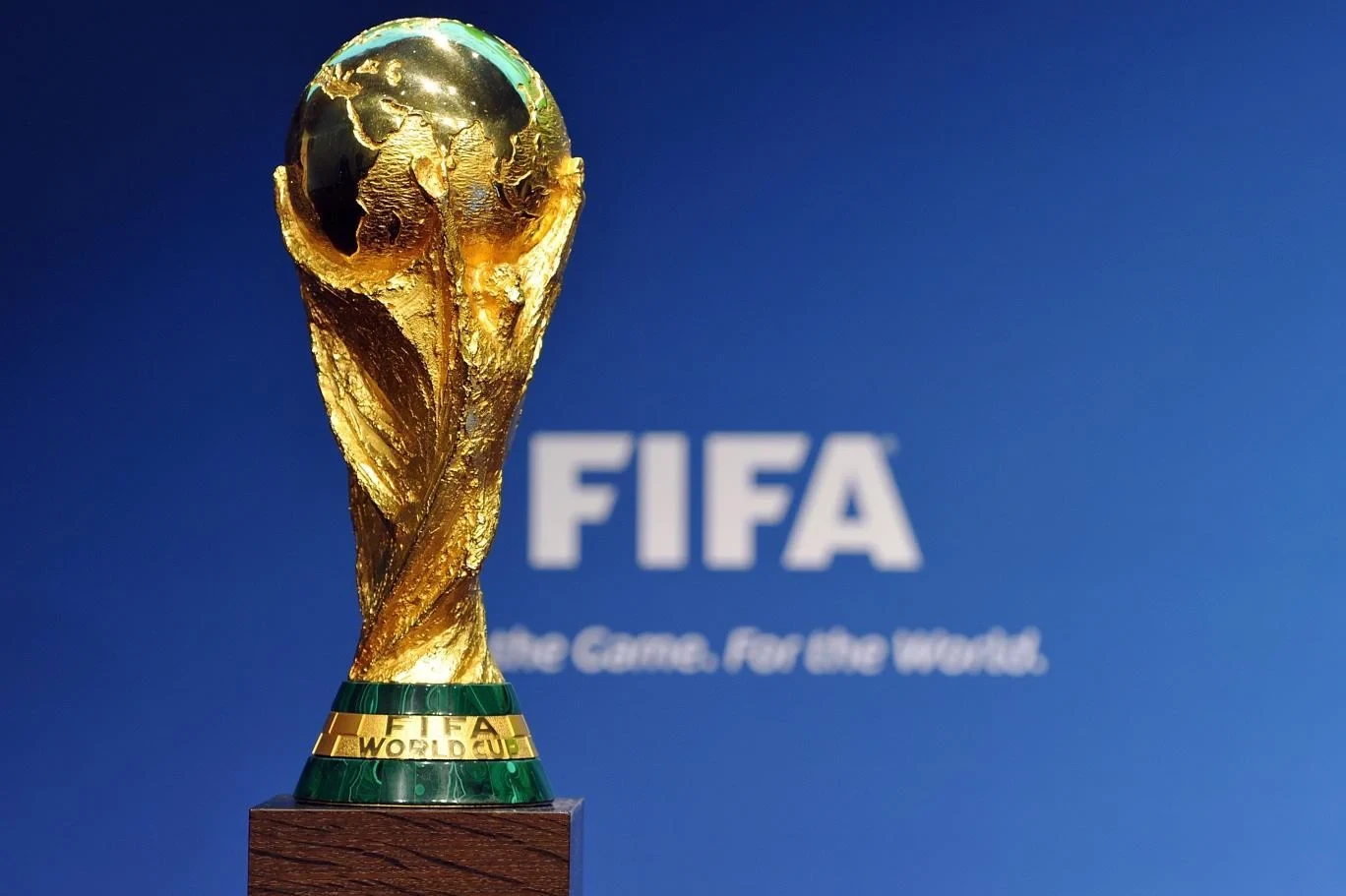
The International Federation of Association Football (FIFA) has not yet determined which stadium will host the 2030 World Cup final, despite the three organizing countries—Morocco, Spain, and Portugal—approaching the start of the countdown to hosting the tournament, as competition continues between Rabat and Madrid to host the most important matches of the World Cup.
Morocco bets on the Hassan II Stadium: Morocco is relying on the new Hassan II Stadium, currently under construction near Casablanca, as its strongest card in the race to host the final. It will have a capacity of 115,000 spectators, with an estimated construction cost of around $12 billion, and is expected to be completed by the end of next year, making it the largest dedicated football stadium in the world.
Two options for Spain: In contrast, Spain is insisting on hosting the final match at one of its two most prominent stadiums: the Santiago Bernabéu in Madrid, which will accommodate about 83,000 spectators after its renovation is completed, or the Camp Nou in Barcelona, which will reach a capacity of 105,000 spectators after the ongoing renovation project is finished.
The president of the Spanish Football Federation, Rafael Louzán, confirmed last January that his country is most deserving of hosting the final match, emphasizing that Spain has a long track record in organizing major tournaments.
Louzán said: "Spain has an organizational capacity that has proven its worth over many years, and therefore Spain will lead the 2030 World Cup and will host the final match of the tournament."
He added: "It is true that Morocco is going through a transformation phase, but some scenes that occurred in certain matches of the Africa Cup of Nations not only harm the tournament, but also harm the image of world football."
The Africa Cup of Nations final sparks controversy: Louzán's statements came in the wake of the events that accompanied the final of the Africa Cup of Nations last January, which saw Senegal crowned champion at the expense of Morocco in Rabat, where crowd riots occurred, along with inappropriate behavior from ball collectors, as well as a temporary suspension of the match.
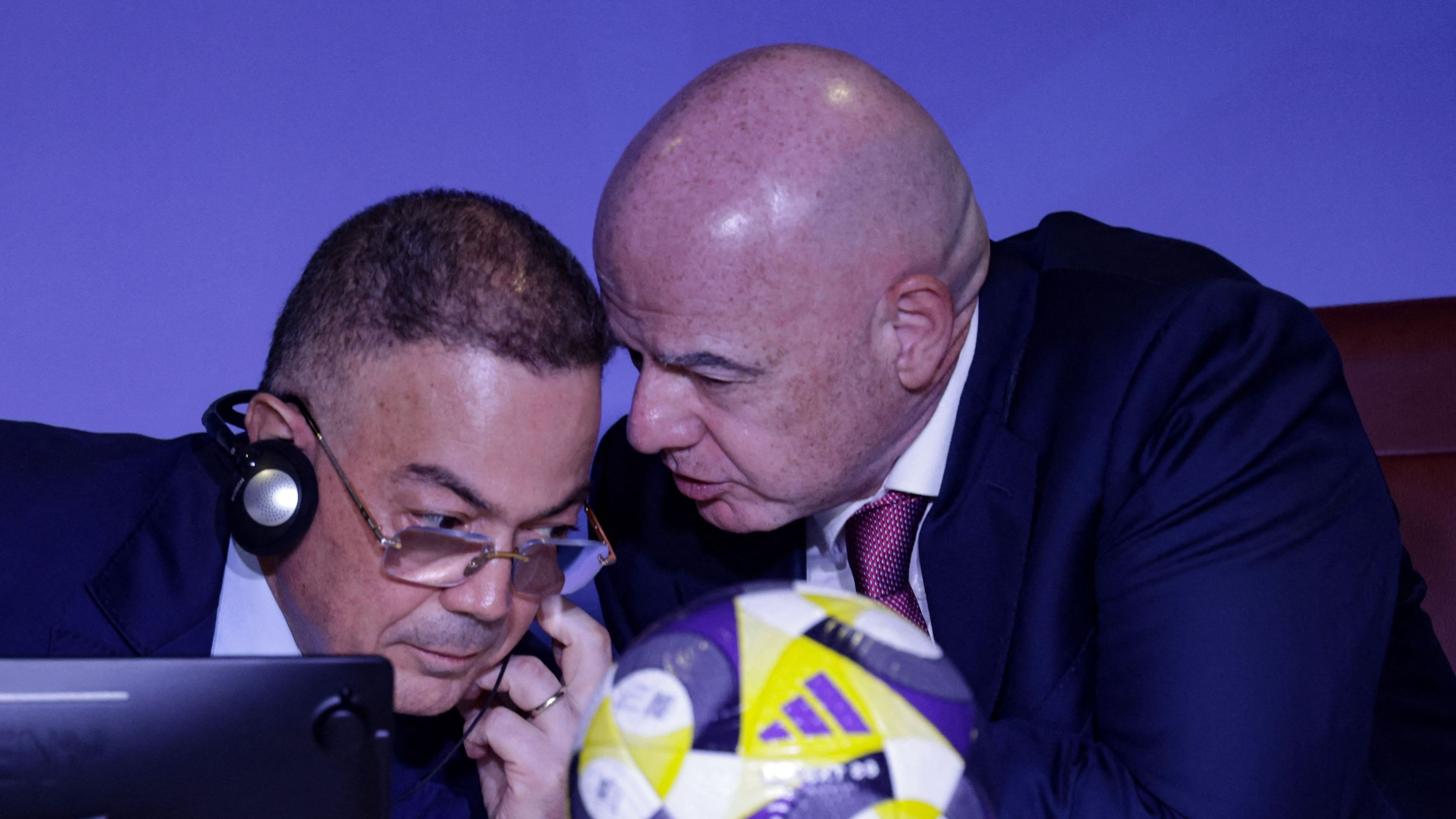
On the other hand, the president of the Moroccan Football Federation, Fouzi Lekjaa, avoided entering into a debate on the file, emphasizing that FIFA has not yet decided on the distribution of tournament matches.
Lekjaa said: "No decision has been made yet regarding the distribution of matches, and these decisions are taken exclusively through consultations between the three host countries and FIFA."
Original source: Akhbaar24



Comments (0)
Be the first to comment.