"Mysterious Reason".. 2026 World Cup Breaks Historical Penalty Shootout Rule
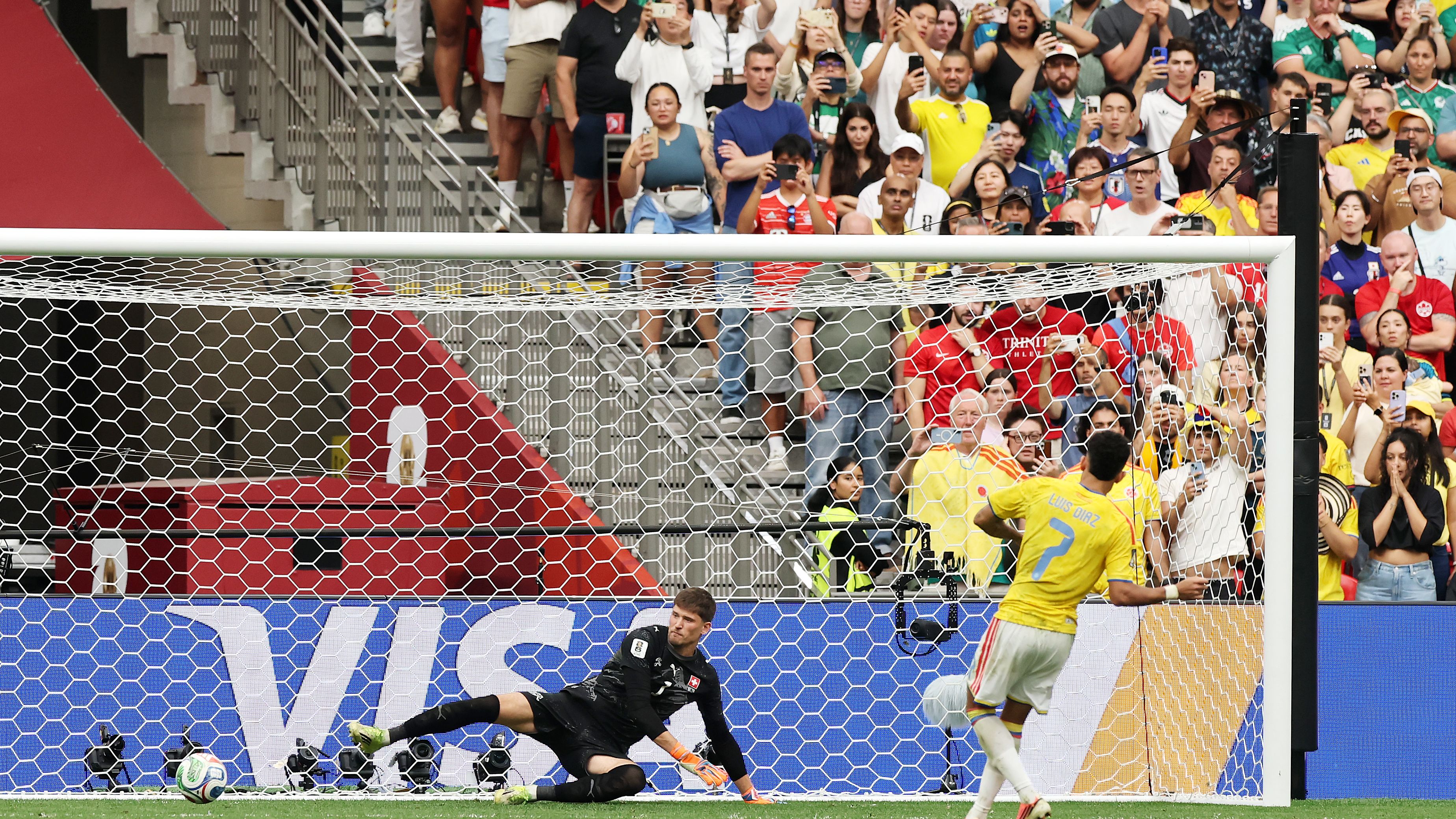
The current World Cup, held in the United States, Canada, and Mexico, has shattered an unofficial rule that has been passed down through history regarding penalty shootouts.
According to Spanish newspaper Marca, for decades the prevailing theory in penalty shootouts was clear: shooting first grants a psychological advantage. Scoring first forces the opponent to play catch-up, increasing pressure on all their players.
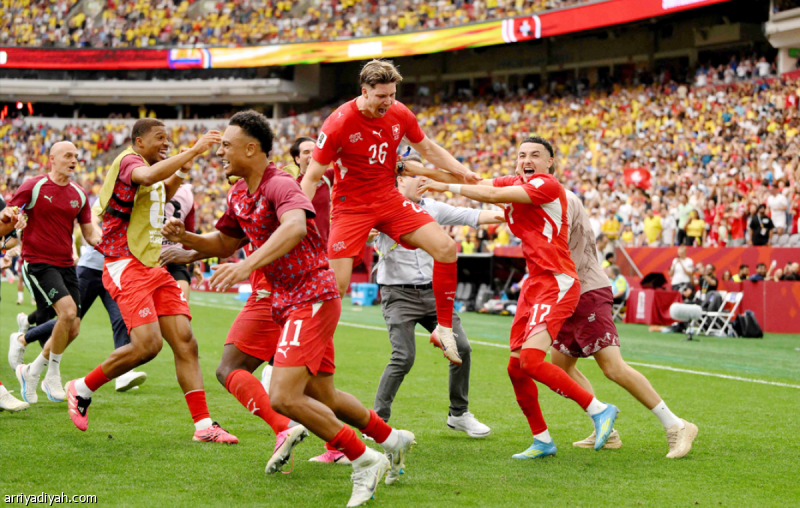
However, the 2026 World Cup has dispelled this belief. Switzerland's victory over Colombia on penalties reinforced a striking and unexpected trend: in this tournament, the team that shoots second always wins.
Four matches in the current edition have gone to penalty shootouts, and all were won by the teams that did not shoot first. Paraguay defeated Germany, then the same happened with Morocco against the Netherlands.
The third case was Egypt, which advanced to the round of 16 after defeating Australia, who shot first, and the same occurred in the Switzerland-Colombia match.
This perfect record in this edition confirms a prevailing trend: the team that took the second kick won in 13 out of 15 matches in recent World Cups. That means 86.7% of shootouts ended with victory for the team that kicked second, sharply contradicting the previous belief.
To debunk the rule that shooting first is better (at least in the World Cup), one need only look at history. In the previous 35 shootouts, the balance was almost equal: 17 wins for the team that shot first and 18 for the team that shot second.
There is no definitive explanation for this change. It may be just an unusual occurrence, but it is also possible that the evolution of players' psychological preparation has alleviated the pressure of taking the second penalty, or even reversed this feeling.
Original source: Kooora
Comments (0)
Be the first to comment.