Ouhibi takes responsibility for Morocco's World Cup exit

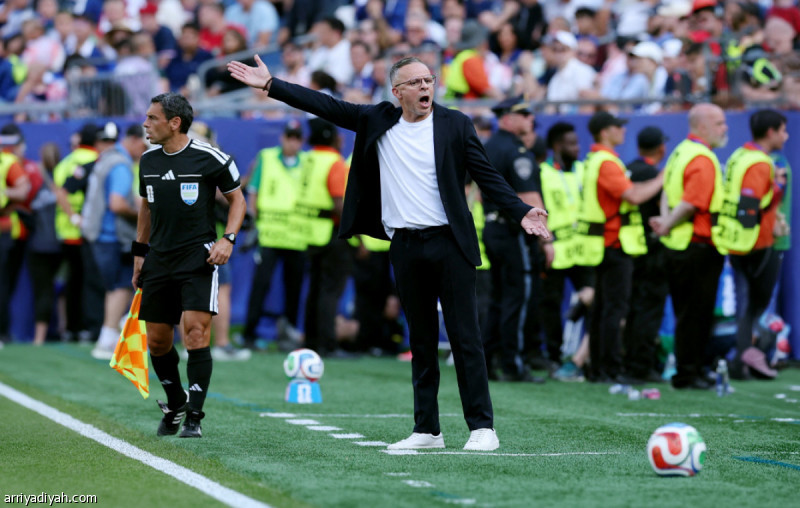
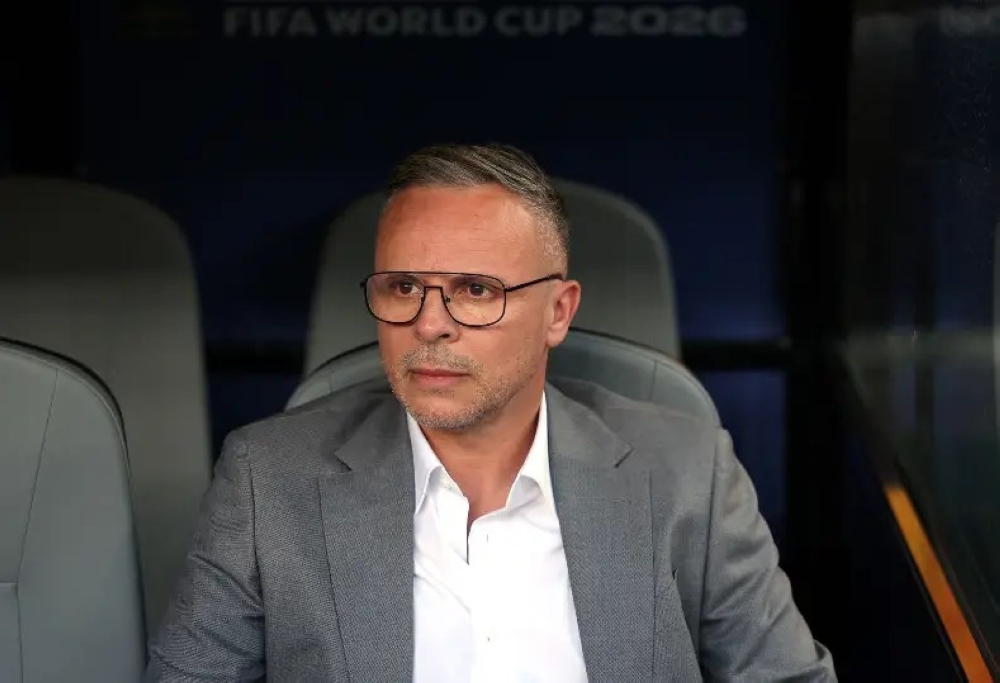
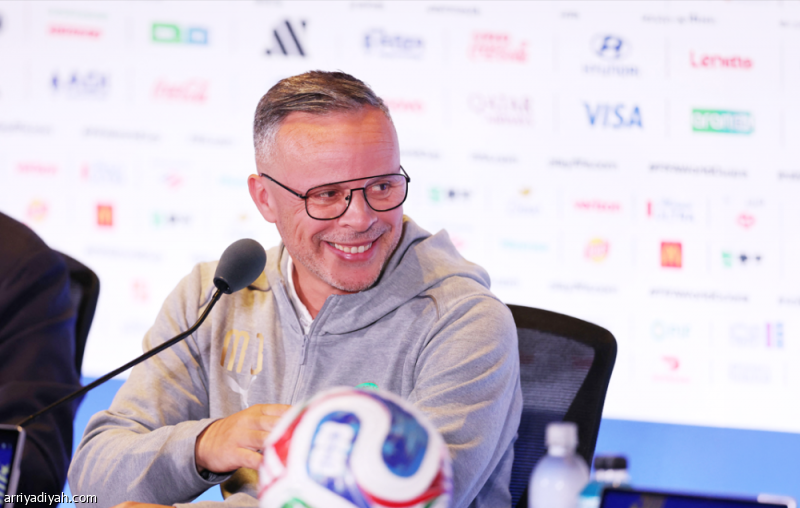
Mohamed Ouhibi, the coach of the Moroccan national team, said he takes responsibility for his team's 2-0 loss to France in the quarter-finals of the 2026 World Cup, but stressed that the 'Lions of the Atlas' campaign in the tournament was positive and that the future of Moroccan football 'will be beautiful.'
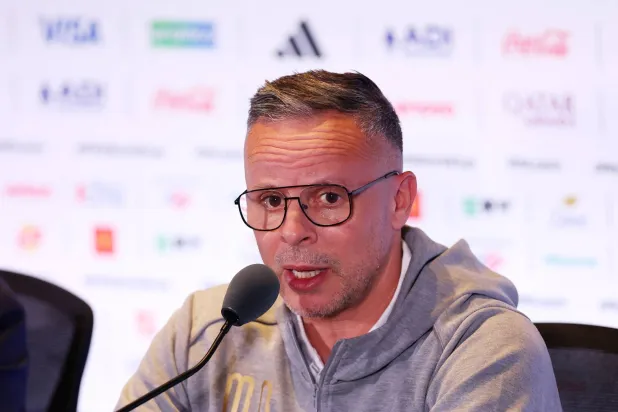
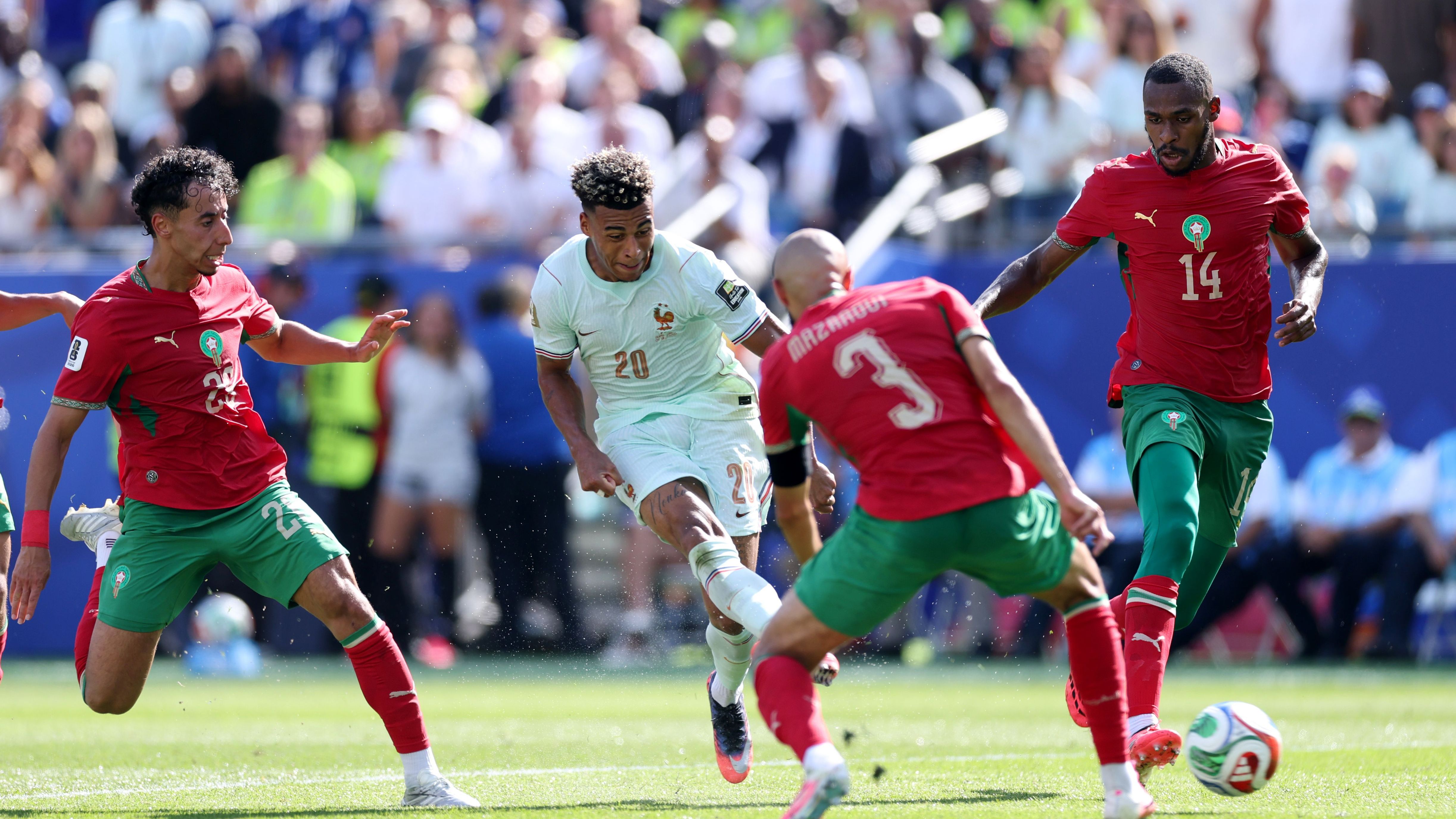
Morocco exited the tournament in the quarter-finals after losing to France, a match in which Ouhibi said the team did not show its usual identity, despite his insistence that the plan was no different from previous matches against Brazil, Netherlands, and Canada. Ouhibi said in a press conference: 'France deserved to win. We wanted to end the tournament being more faithful to our identity, but that did not happen, and I take responsibility as the coach.'
He added: 'We should not reduce the evaluation to one match. We played five matches that delighted the fans, and we played with a clear Moroccan spirit and identity. But against France we lacked personality at times, depth, and continuity in the attacking third.' Ouhibi denied that the team feared France or changed its style due to the opponent's strength, explaining that the team tried to play in the same way it appeared throughout the tournament.
He said: 'We did not change the system nor the intentions of play. I did not ask the players to retreat and defend. When we retreated, it was because the opponent forced us to. What we lacked was the ability to transfer the ball more into France's half, and to create depth and spaces.'
The Moroccan coach confirmed that the preparation for the match was normal, and that he did not feel that the players were scared or lacking desire.
He added: 'I felt they were ready and excited. There was nothing different in preparation, but during the match we did not succeed in being ourselves.' Ouhibi responded to criticism regarding his choices, stressing that he does not want to look for excuses related to injuries or names not called up.
He said: 'It is easy after a loss to say that we should have called up a player or fielded another. But the players who were with us are the ones who brought us to the quarter-finals, and they are the ones who made the fans live beautiful moments against Brazil, Netherlands, Canada, Haiti, and Scotland.'
He also defended the inclusion of some young players in the tournament, pointing out that Morocco left the World Cup with important experience for a generation that will become more mature in the coming years.
He said: 'We had one of the youngest squads in the quarter-finals. Perhaps we lacked experience against France, but these players will be more ready in four years. If we don't give them the opportunity now, they won't be ready later.'
Ouhibi denied the existence of disagreements within the technical staff, stressing that rumors about disputes with his assistant were just 'false rumors.'
He said: 'We are a cohesive staff. I give everyone the floor, and in the end I take the decision. What was said about internal disagreements is not true, and it is unfortunate to spread such rumors after a loss.'
The coach also spoke about the future of the national team, stressing the need for Moroccan players to become more influential and consistent with their clubs, especially in high-level matches.
He said: 'When France arrives with players who play every week in the Champions League and with major clubs, that gives them an advantage. We have good players, and when they come to Morocco they exceed themselves, but we must ask them to do that also with their clubs.'
He added that the team needs to play strong friendly matches, and to expand the base of players who are physically and technically ready, especially since the match against France was Morocco's sixth in the tournament, a stage where the team felt a decline in performance. Ouhibi concluded by stressing that Morocco will not stop at reaching the quarter-finals, and that the goal is to build towards the 2030 World Cup, which Morocco will co-host. He said: 'We want to be in 2030 at the level of Spain and Portugal, not just a host country. We proved we are capable of competing with the giants, and now we must continue working to go further.'
The Moroccan team had reached the semi-finals of the 2022 World Cup in Qatar, the best Arab and African achievement.
Original source: Asharq Al-Awsat
Comments (0)
Be the first to comment.