Psychological aspect reveals secrets of national teams' downfall in the World Cup.. and Argentina coach's rigidity pressures players
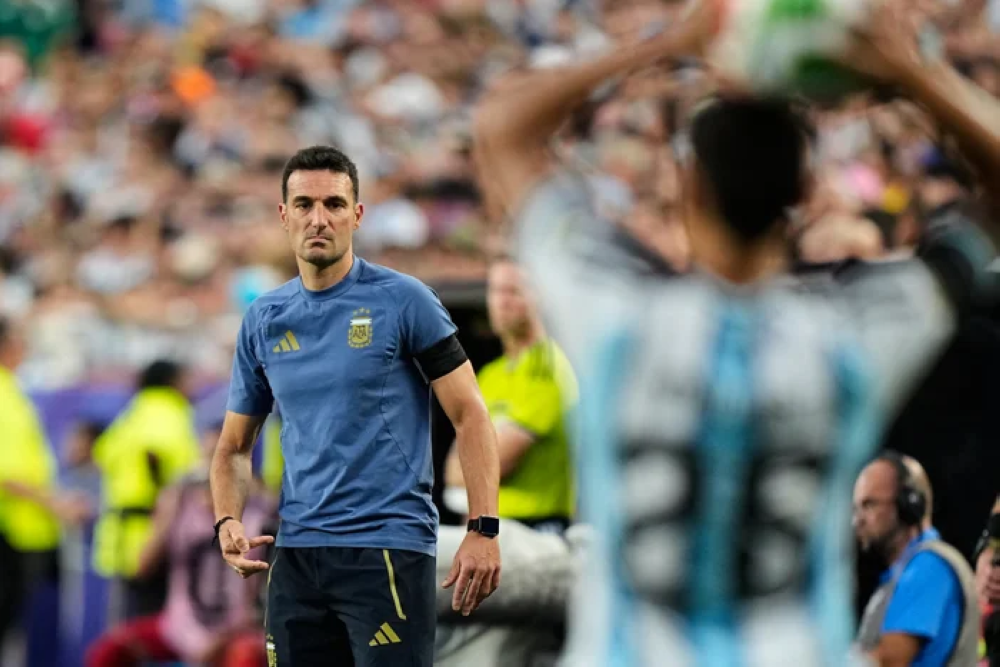
The psychological aspect is one of the most important factors contributing to the performance of national teams in football, specifically, as it is considered "the world's most popular sport." The lack of attention by many sports federations worldwide to providing a psychological unit alongside technical, administrative, and medical teams has negatively affected the performance of many national teams. Psychological and behavioral consultant Abdo Al-Asmari explains that analyzing what happened in the 2026 World Cup reveals that many teams suffered losses and declines in performance due to poor management of the psychological aspect, which should be handled by the administrative and technical staff, and specifically the team captain, in the absence of a specialized team, with fans entering the "preparation" line through motivation and support or pressure and frustration. From a psychological perspective on some participating teams, the coach of the French national team was one of the most important psychological factors in preparing the players mentally, through the "effusive joy method" with which he celebrates with players. Indeed, some players, such as Mbappé, go to him after every goal, as if they have a prior agreement on the celebration method, with him wearing a wide smile, reducing blame when chances are missed, and resorting to warm applause with every attack, which created support pathways for the team that reflected on the quality of performance.
Argentina's coach: psychological rigidity
In complete contrast, Argentina national team coach Lionel Scaloni became famous during World Cup matches for a "strange" state, almost the first of its kind among football team coaches, characterized by composure and lack of joy at goals or victories, a rare case of "psychological rigidity" and "emotional freezing," which may reflect on the players and put pressure on them. Al-Asmari continues: With a deep analytical reading of his condition, the reasons may be due to the possibility of previous painful experiences with joy, or certain experiences that prevented him from expressing it, or that he suffers from a state of arrogance and superiority, conveying a certain implication to others that the team is strong and dominant, and that victory or scoring a goal falls within the realm of confidence, affirmation, and inevitability. Psychologically, it may go beyond that, through a tendency to attract attention and be unconventional, thus drawing fame, or his desire to create a unique personality that employs firmness and rigidity to raise levels of technical tactics. It may also relate to a very rare psychological condition, namely the escape from showing joy and pleasure in front of others, within chronic "psychological complexes" that require individual joy and an inability to use body movements to express joy in front of others. It is expected that there are previous experiences or personality traits tending towards chronic emotional rigidity deep within the self.
With an extensive reading of the importance of celebrating goals and victories, there are players who prepare "rehearsals" for goal celebrations before the match, and there are coaches who celebrate in a different way that breaks the formal barrier, giving players spaces of motivation and reinforcement, with the coach present as part of the joy, generating great psychological energy for players to compete in scoring goals and creating outstanding performance.
Related news
Psychological aspect.. a necessity for creating outstanding performance
Psychological and behavioral consultant Abdo Al-Asmari explains that there are multiple cases in the 2026 World Cup, whether for coaches, players, administrators, and even referees, that require study, but the psychological aspect has become a necessity for creating outstanding performance, preventing errors, taking players out of circles of apprehension and complexity, and creating paths of optimal preparation for the player, so that he is in a psychological state based on readiness to play on the field. It also highlights the necessity of having a specialized psychological team for each national team, as there are players who come to the stadiums distracted, suffering from social and psychological problems, and even difficulties in integrating with the team group psychologically, in addition to multiple problems related to disputes within the same team, which negatively affect performance. There is also a need to psychologically prepare some coaches and read their statements; if we look at the statements of Egypt national team coach Hossam Hassan, we find a high percentage of attributing achievement to the self, and the predominance of "ego" in the discourse, in addition to severe nervousness that affected the players in recent matches.
Studying teams' levels psychologically
He continues: We also saw the urgent need for Saudi national team players and the technical staff for specialists in psychology, to study the team's recent "unsatisfactory" levels and their connection to psychological aspects, fan pressure, and media pressure. Another case appears among coaches of the national teams of Paraguay, Belgium, Switzerland, Cape Verde, Morocco, and Norway, who were contributing factors from a psychological perspective due to their commitment to calmness and integration with players, in contrast to the impact of selfishness in the decline of performance of teams such as Germany, the Netherlands, Portugal, and Brazil, and the presence of psychological problems related to the lack of spirit among players, due to the absence of psychological preparation and the lack of strong and robust relationships in personal dealings among players on and off the field, which negatively affected performance. There is also a phenomenon requiring psychological analytical reading, which is the player's mental control in penalty shootouts, and the loss of many due to lack of confidence, which is one of the most important psychological factors in building success on the field, in addition to the reflection of previous injuries of senior players on the high rate of fear of recurrence, and its impact on performance, in the absence of studying this factor with players before tournaments, along with the high number of colored cards, and the predominance of psychological reasons over technical ones. The lack of psychological preparation during the 2026 World Cup caused losses in results, shaken confidence, lack of spirit, and a noticeable decline in performance, through facts, data, and events that will remain in memory. Will we see a change and transformation in providing specialized psychological teams for national teams in the future? This question remains linked to study and analysis, and to the necessity that I see as urgent and inevitable, and a basic condition for creating excellence and success on the green rectangle, and reaping the fruits of tournaments.
Original source: Al-Yaum


Comments (0)
Be the first to comment.